100% Satisfaction or It's FREE!
100% Satisfaction or It's FREE!
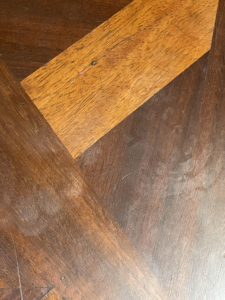
Hardwood floors can make a home feel warm, clean, and comfortable, which is why homeowners often notice quickly when something about the surface feels wrong. A floor may still look relatively clean from across the room, yet walking over it in socks can reveal a slightly tacky surface. In other cases, natural light exposes a dull or cloudy film that seems to return no matter how often the floor is cleaned.
These problems can be confusing because they often develop after regular cleaning rather than neglect. A homeowner may mop every week, use products marketed for hard floors, and still end up with streaks, footprints, haze, or sticky areas. In many cases, the issue is not dirt alone. Cleaning product residue, too much moisture, polish buildup, kitchen grease, hard-water minerals, or an unsuitable cleaner may be sitting on top of the finish.
Proper hardwood floor cleaning should remove unwanted soil without leaving another layer behind. When products begin building up, every new cleaning can make the surface harder to manage. Instead of looking brighter, the floor may appear duller. Dust may cling faster, and footprints can show soon after mopping.
The good news is that sticky or cloudy hardwood does not automatically mean the flooring is permanently damaged. Many cases are related to surface buildup that can be reduced with a better maintenance routine or professional hardwood floor cleaning. Understanding the cause first helps homeowners avoid adding even more products to a floor that may already have too much on it.
One of the most common reasons hardwood feels sticky is simply too much cleaning product. It is easy to assume that using extra cleaner will make the floor look better, especially when the surface seems dull or heavily used. Unfortunately, more solution often means more material left behind after the moisture evaporates.
A small amount of residue may not be noticeable immediately. After several weeks of cleaning, however, thin layers can begin building on top of one another. The floor may start to feel slightly tacky, and fine dirt can stick to the surface more easily. High-traffic areas usually show the problem first because constant footsteps press new soil into the residue.
This can create a frustrating cycle. The homeowner sees footprints or dull areas and decides the floor needs another cleaning. More product is added, the floor looks temporarily better while damp, and then the same sticky feeling returns after drying. Repeating this process can make the buildup more noticeable.
A better routine starts with using only the amount of cleaner recommended for the floor. Concentrated products should be measured instead of estimated, while ready-to-use solutions should be applied lightly rather than sprayed heavily across the entire room. If the floor already has significant residue, routine mopping may not be enough to remove it evenly. Professional hardwood floor cleaning can help address accumulated film without simply adding another layer.
Cloudy hardwood often comes from the same general problem as stickiness: something is sitting on top of the finish. Instead of feeling tacky, however, the floor may appear hazy, streaked, or uneven when light reflects across it.
Cleaning residue is one possible cause, but polish and shine products can also contribute. Many homeowners use these products because they promise to restore gloss quickly. The first application may improve the appearance, yet repeated use can create layers that begin looking uneven. Some areas stay shiny while others become dull, producing a cloudy effect across the room.
A similar problem can happen when several different cleaning products are used over time. One cleaner may leave a light film, another may contain ingredients that react differently with the finish, and a polish may be applied over both. Eventually, the floor becomes harder to maintain because the visible surface is no longer just the original finish.
Cloudiness should not automatically be treated with more polish. Sometimes the floor needs less product, not more. If buildup is the cause, removing the residue can help reveal a cleaner, more natural appearance underneath. If the actual finish has worn down, however, cleaning alone may not restore the original shine. Recognizing the difference can save homeowners from repeatedly applying products that do not solve the real problem.
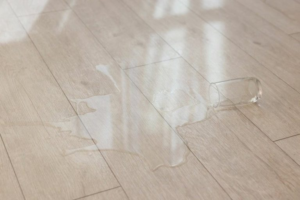
Water seems harmless because it is used for cleaning throughout the home. Hardwood, however, requires more controlled moisture than tile, vinyl, or other hard surfaces. A heavily saturated mop can leave water sitting on the floor long enough to create streaks and can also carry cleaning product into plank seams or worn sections of the finish.
As the water dries, any minerals or cleaning solution mixed into it remain behind. This can create cloudy marks that become especially noticeable in sunlight. If too much water is used regularly, the problem may become more visible even though the homeowner feels they are cleaning thoroughly.
Using a slightly damp microfiber pad is usually easier to control than a dripping traditional mop. The surface should not remain visibly wet for an extended period, and there should never be standing water left behind after routine hardwood floor cleaning.
Controlling moisture also helps protect the wood itself. Hardwood naturally responds to changes in moisture, which is why soaking the surface is unnecessary and potentially problematic. A light, controlled approach is usually enough for normal maintenance.
Steam mops are popular because they create the impression of deep cleaning without strong chemicals. On tile or certain sealed surfaces, they may be useful. Hardwood is different because steam combines heat and moisture, which can affect the flooring and finish over time.
The problem may be especially noticeable on older floors or in areas where small gaps have developed between boards. Steam can move moisture into places where homeowners cannot easily dry it. A floor may look clean immediately after treatment while still being exposed to unnecessary moisture below the surface.
Steam is also unlikely to solve a sticky or cloudy floor if the real cause is accumulated cleaning residue. In that situation, the floor needs the unwanted film removed rather than another wet treatment.
Homeowners who are already struggling with haze or tackiness should avoid adding more moisture until they understand what is causing the problem. Professional hardwood floor cleaning can help determine whether the surface is dealing with residue, ordinary soil, or a finish issue that requires a different solution.
Vinegar is widely recommended as a DIY household cleaner, but it should not automatically be treated as a universal hardwood solution. Different floors have different finishes, and an acidic mixture may not be appropriate for every surface.
Another challenge with homemade cleaning recipes is inconsistency. One homeowner may mix a small amount of vinegar into a large bucket of water, while another uses a much stronger concentration. Without knowing the specific finish and the correct ratio, it becomes difficult to predict how the floor will respond.
A homemade mixture can also encourage homeowners to use too much liquid. Because the ingredients feel familiar and inexpensive, it may seem safe to mop the floor heavily. The extra water can create more problems than the vinegar itself.
A cleaner designed for finished hardwood removes much of this guesswork. Following the product instructions and using controlled moisture is usually a more reliable maintenance strategy than experimenting with several homemade recipes.
Shine products can be tempting when hardwood begins looking dull. A quick coat may create an immediate glossy appearance, which makes the floor seem refreshed without much effort. The challenge appears later when several applications begin creating a visible film.
Wax, polish, and shine enhancers are not appropriate for every type of hardwood finish. On the wrong surface, they can cause uneven gloss, cloudy patches, or sticky areas that collect dust. Once multiple layers develop, normal mopping may no longer remove them.
Homeowners may respond by adding another coat because the floor looks uneven. This only increases the amount of material sitting on the surface.
Before applying any polish, it is important to know what type of finish is on the floor and whether the product is recommended for it. A dull surface may simply need professional cleaning to remove buildup. In other cases, the finish itself may be worn and require recoating or refinishing instead.
Hardwood floor cleaning is meant to remove dirt and residue. It cannot rebuild a finish that has physically worn away, which is why identifying the actual problem matters.
Kitchens create conditions that can make hardwood sticky more quickly than other parts of the home. Cooking releases tiny amounts of grease into the air, food particles fall to the floor, drinks spill, and family members move constantly between appliances, counters, and nearby rooms.
A thin oily film can form gradually even when the floor is mopped often. Once this film combines with cleaning product residue, the surface may become noticeably tacky. Dust and crumbs stick faster, and footprints can appear within hours of cleaning.
Frequent wet mopping does not always solve the problem. If the mop water contains too much cleaner or becomes dirty during use, the homeowner may simply be redistributing soil around the kitchen.
A better approach is to clean cooking spills as soon as possible, vacuum or sweep loose material before mopping, and use the smallest appropriate amount of hardwood cleaner. Changing microfiber pads during larger cleaning sessions also helps prevent dirty residue from being spread across the room.
Kitchen floors may need more frequent light maintenance than quieter rooms, but that does not mean they need stronger products. Consistent, controlled cleaning is usually more effective than occasional aggressive treatment.
Homes with pets often have certain hardwood areas that receive more attention than others. Food and water bowls create regular drips, pets carry outdoor dirt inside, and occasional accidents may leave both residue and odor behind.
A spot near a water bowl can become tacky if moisture repeatedly mixes with dust and food particles. Pet accidents can create another type of residue, especially when homeowners use several cleaning products in an attempt to remove odor quickly.
Products intended for pet urine removal or carpet deodorizing should not automatically be used on hardwood. A cleaner that is appropriate for carpet fibers may contain ingredients that are not suitable for a wood finish.
When an accident occurs, absorb as much liquid as possible first. Use a floor-appropriate product only if necessary, and dry the area afterward. If the accident happened near carpet or an area rug, inspect those surfaces too because liquid can travel beyond the visible spot.
Persistent pet odor may involve more than the hardwood surface. Professional pet stain and odor removal, area rug cleaning, or carpet cleaning may be necessary when contamination has reached surrounding materials.
Area rugs are useful for protecting hardwood from scratches and repeated foot traffic, but they can also hide problems underneath. A spill may pass through a rug before the homeowner notices it, leaving moisture trapped against the wood.
Pet accidents create a similar issue. The top of the rug may be cleaned successfully, while liquid remains in the backing or on the floor underneath. When the rug is eventually moved, the hardwood may appear cloudy or feel sticky.
This is why rugs should be lifted periodically for inspection. Vacuuming underneath helps remove fine debris, while checking for moisture prevents hidden problems from continuing unnoticed.
Professional area rug cleaning may be useful when a rug holds significant soil, odor, or staining. Oriental rug cleaning may require more specialized care because delicate fibers, dyes, and construction can respond differently from standard rugs.
Never place a damp rug back onto hardwood. Both surfaces should be completely dry first.
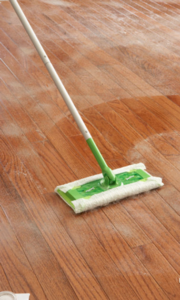
Cleaning equipment can contribute to cloudy hardwood even when the right product is being used. A microfiber pad collects dirt as it moves across the floor, but it eventually becomes too dirty to clean effectively.
This problem is easy to miss in larger homes. A homeowner may start with a clean pad in the kitchen, continue through the dining room, and then move into the hallway without changing it. By that point, the pad may be holding enough soil to leave streaks behind.
Instead of lifting dirt, the pad begins spreading it across the surface.
Keeping several clean microfiber pads available makes hardwood floor cleaning much easier. Change the pad when it becomes visibly soiled and wash reusable pads regularly according to their care instructions.
Traditional mop buckets can create a similar problem because the mop repeatedly returns to the same dirty water. A clean-pad system or controlled spray method can help reduce the amount of soil being redistributed.
Water quality can influence the way hardwood looks after cleaning. Hard water contains minerals that remain behind when moisture evaporates. On glass, these minerals may appear as white spots. On hardwood, they can contribute to a hazy or streaked surface.
The effect becomes more noticeable when large amounts of water are used frequently. Every wet cleaning leaves a small amount of mineral residue, which can gradually add to the cloudy appearance.
This does not mean homeowners need to completely change their water supply to maintain hardwood. Reducing the amount of water used during cleaning can make a meaningful difference.
A damp microfiber pad and an appropriate floor cleaner generally provide more control than a bucket full of water. The less liquid that remains on the surface, the less material can be left behind after drying.
Residue itself creates the sticky feeling, but everyday foot traffic makes the problem much more noticeable. Each person walking across the floor brings a small amount of dust, soil, or oil onto the surface.
On clean, residue-free hardwood, much of this material can be removed easily through sweeping or vacuuming. On a sticky floor, particles cling more readily. A hallway may begin looking dark in the center even shortly after cleaning, while the edges remain relatively clear.
Bare feet and socks can also leave visible marks on tacky surfaces. Homeowners may feel as though the floor becomes dirty immediately, leading them to mop again.
This is where the cleaning cycle becomes counterproductive. If the new mopping session adds more residue, the floor becomes even more likely to attract soil.
Breaking the cycle means removing the existing buildup and simplifying the maintenance routine afterward.
A better cleaning routine begins by resisting the urge to add more product immediately. If the floor already feels sticky or looks cloudy, take a moment to consider what may be on the surface.
Begin by sweeping, dust mopping, or vacuuming with a bare-floor attachment. Pay extra attention to entrances, kitchen pathways, hallways, and areas around furniture where soil tends to collect.
Removing loose grit before using moisture helps prevent scratching and makes the next cleaning step more effective.
Choose a cleaner made specifically for finished hardwood and follow the label instructions carefully. Avoid switching between several products during the same cleaning session.
Bathroom cleaners, tile products, degreasers, and carpet cleaners should not be used unless they specifically state that they are safe for the exact wood surface.
Apply only enough cleaner to lightly dampen the cleaning pad. The floor should not have puddles or visible standing water after each pass.
Working in smaller sections makes it easier to control moisture and see whether the surface is improving.
A dirty pad can reapply the same soil you are trying to remove. Check the microfiber pad as you move through the room and replace it once it becomes visibly dirty.
Large hardwood areas may require several pads during one cleaning session.
Avoid evaluating the surface while it is still damp. Allow normal household airflow to help the floor dry and try to limit foot traffic during this time.
Once dry, check whether the sticky feeling or cloudiness has improved.
If the floor still looks dull, do not immediately cover it with a shine enhancer. The dullness may be residue, but it could also be wear in the finish.
Adding polish before identifying the problem may create another layer that becomes difficult to remove later.
If careful household cleaning does not remove the film, professional hardwood floor cleaning may be the better option. Heavy buildup can be difficult to remove evenly without the right process.
A professional technician can evaluate the surface and determine whether the problem is soil, product residue, or a finish condition that requires another type of service.
Professional hardwood floor cleaning is especially useful when the surface has been exposed to several different household products over time. A floor may contain layers of general cleaner, polish, oils, kitchen residue, and everyday dirt all mixed together.
Trying to remove these layers with increasingly strong DIY products can make the situation worse. Some formulas may react differently with the finish, while too much moisture may create additional streaking.
Professional cleaning begins by evaluating the condition of the floor. Traffic patterns, sticky areas, cloudy sections, and the overall finish all help determine what kind of care makes sense.
Safe-Dry® focuses on controlled moisture and professional cleaning methods designed for hardwood surfaces. The goal is to remove unwanted buildup without soaking the wood or covering it with heavy soap residue.
Many floors can also return to normal use relatively quickly depending on the condition of the surface, airflow, humidity, and the amount of cleaning required.
Not every cloudy hardwood floor is dirty.
Sometimes the finish itself has changed.
High-traffic areas receive years of footsteps, furniture movement, grit, and everyday wear. Over time, the protective surface can become duller or uneven even when the floor is cleaned properly.
A homeowner may keep trying different products because the area looks hazy, but no cleaner creates much improvement.
This is an important sign.
If the dullness remains after residue and soil have been removed, the floor may need recoating or refinishing rather than additional cleaning.
Professional hardwood floor cleaning can help reveal the true condition of the surface. Once buildup is removed, it becomes easier to see whether the finish underneath is still in good shape.
Understanding this difference prevents unnecessary overcleaning and helps homeowners choose the right next step.
Hardwood floors do not collect soil in isolation. Dust can fall from upholstered furniture, area rugs can transfer debris, and nearby carpet can contribute particles that move between surfaces.
Keeping the entire room maintained can make hardwood care easier.
Regular upholstery cleaning can help refresh heavily used furniture that collects dust, crumbs, pet hair, and everyday residue. Area rug cleaning removes buildup from rugs before those particles move onto the surrounding hard floor.
Professional carpet cleaning may also be useful in homes where carpeted rooms connect directly to hardwood hallways. Shoes and socks easily transfer soil between the two surfaces.
Homeowners do not need every service at the same time. The important point is recognizing that cleaner surrounding surfaces can reduce how quickly dirt returns to hardwood.
A product designed for carpet should remain on carpet unless the label clearly approves it for hardwood.
Carpet cleaner formulas are made for soft fibers. Pet urine carpet cleaning products may be designed to penetrate deeper into carpet, while carpet deodorizing sprays often focus on fragrance or odor treatment.
These products may leave residue or affect a wood finish differently.
The same rule applies to stain removers. A strong stain removal service product that works well on one surface may be too aggressive for another.
Keep hardwood cleaning products separate from carpet and upholstery supplies whenever possible. Labeling bottles can also help prevent someone in the household from grabbing the wrong cleaner during a spill.
Once the floor has been cleaned properly, prevention becomes much easier.
Start by simplifying the number of products used. One appropriate hardwood cleaner is usually easier to manage than switching between multiple formulas, homemade mixtures, polish, and shine sprays.
Dry soil removal should remain the foundation of the routine. Sweep, vacuum, or dust mop regularly so loose particles do not need to be washed away with extra moisture.
Clean spills quickly and keep entry mats near commonly used doors. Mats can reduce the amount of outdoor dirt reaching the hardwood, although they should be cleaned regularly too.
Kitchen floors may need more frequent spot attention because food and cooking residue can accumulate quickly. Pet areas also deserve regular checks for water, food, dirt, or accidents.
Microfiber pads should be washed and replaced as needed. Dirty tools make it much harder to achieve a streak-free finish.
Above all, avoid assuming that stronger cleaning is better cleaning. Hardwood often responds best to a simple, consistent routine.
Too much cleaner is one of the most common causes. When the moisture evaporates, product can remain on the surface and leave a tacky film. Dirty mop pads or unsuitable cleaners may also contribute.
Cloudiness can come from cleaning residue, polish, wax, mineral deposits from water, or a worn finish. Identifying the cause is important before applying another product.
Sometimes, but using the same amount of the same product may make the buildup worse. A controlled cleaning with an appropriate hardwood product and minimal moisture is usually a better approach.
Vinegar should not be treated as a universal hardwood cleaner. Different finishes respond differently, and acidic mixtures may not be appropriate for every floor.
Steam is generally not a good choice for finished hardwood because it introduces heat and moisture. It may also fail to solve the actual problem if residue is causing the stickiness.
Yes. Excess product can dry on the surface and create haze, streaks, or uneven shine.
Cooking grease, food spills, heavy traffic, and frequent cleaning can combine to create a film. Prompt spill cleanup and controlled cleaning usually work better than heavy wet mopping.
Yes. Urine, food spills, water, and cleaning products used afterward can all leave residue. Clean accidents quickly with a product suitable for the floor.
Moisture or cleaning residue trapped beneath a rug may affect the surface underneath. Lift rugs periodically and make sure both the rug and floor remain clean and dry.
There is no single schedule for every home. Traffic, pets, children, cleaning products, and the amount of buildup all affect how often deeper cleaning may be useful.
Professional hardwood floor cleaning can help with certain types of surface buildup. The technician should first evaluate what is on the floor and the condition of the finish.
Cleaning can remove soil and residue, but it cannot rebuild finish that has physically worn away. Recoating or refinishing may be required in those situations.
A sticky film may be allowing oils and soil from feet or socks to cling to the surface. Removing the residue can help reduce this problem.
A properly maintained floor should not usually feel tacky from cleaning product residue. Texture can vary depending on the wood and finish, but stickiness is often a sign that something remains on the surface.
Hardwood floors should not become harder to maintain every time they are cleaned. When the surface begins feeling sticky or looking cloudy, the problem often comes from too much product, too much moisture, repeated polish, dirty cleaning tools, kitchen residue, pet messes, or a cleaner that was never intended for wood.
Adding stronger chemicals rarely solves the issue. In many cases, simplifying the routine creates better results. Remove loose dirt first, use a cleaner designed for the floor, keep moisture controlled, change dirty pads, and avoid adding shine products unless they are appropriate for the finish.
Some floors improve quickly once the residue is reduced. Others have accumulated several layers of buildup and need a deeper professional cleaning before routine maintenance becomes easy again.
Professional hardwood floor cleaning can help remove unwanted surface buildup while giving homeowners a clearer idea of the actual condition of the finish. It also helps distinguish between a floor that is dirty and one that has experienced natural wear.
Safe-Dry® offers professional hardwood floor cleaning for families who want a cleaner, fresher home without relying on heavy soap residue or unnecessary moisture. If your hardwood keeps feeling tacky, showing footprints, or developing a cloudy film after every cleaning, it may be time to stop adding more products and give the surface a proper reset.
Reach out to Safe-Dry® to request a quote or schedule hardwood floor cleaning. A thoughtful cleaning process can help make your floors easier to maintain and bring back a cleaner, more natural-looking finish.