100% Satisfaction or It's FREE!
100% Satisfaction or It's FREE!
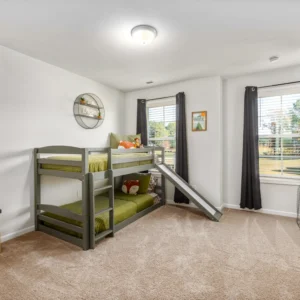
Let’s start with a little celebration. You decided to hire a professional carpet cleaning service for your home. That’s a win. You’re choosing clean air, softer floors, and fewer mystery smells. At Safe-Dry®, we see the relief on faces when a family walks into a freshly cleaned home. The air feels lighter. The traffic lanes don’t look gray anymore. The dog’s favorite corner doesn’t make you wince.
But here’s something we’ve learned after thousands of homes. The best results don’t just come from what we do on cleaning day. They come from a few smart moves before, during, and after your appointment. Small steps on your end help your carpet cleaner deliver the best carpet cleaning possible. Consequently, your floors stay cleaner longer, your carpet cleaning cost goes further, and your whole home feels healthier.
In this guide we’ll walk through 10 practical tips that make a real difference. We’ll cover how to prep, what to point out, how to handle pets and furniture, and how to care for carpet after we leave. We’ll also share step-by-step advice, answer common FAQs, and give you links to helpful resources. Whether you found us by searching carpet cleaning near you or a neighbor referred you, these tips work with any top rated carpet cleaning company. And if you’re new to Safe-Dry®, you’ll see exactly how we partner with families to keep homes clean, healthy, and ready for life.
First, let’s talk about why this matters. Carpet is a filter. Every day it traps dust, pollen, dander, skin cells, and whatever comes in on shoes. That’s good because it keeps those particles out of your air. Over time, though, that filter gets full. The grit becomes abrasive. Every step grinds it into the fibers like sandpaper. That’s what makes traffic lanes look worn.
Additionally, spills happen. Juice, coffee, wine, and sauces leave sugars and dyes behind. If they aren’t removed completely, they attract dirt and turn into dark spots. Pet accidents add urine salts and proteins that bond to the fiber and backing. Over time, bacteria break those down and release odor. That’s why pet odor removal and urine odor removal aren’t just surface jobs. You have to treat the source.
When you hire professional carpet cleaning, you’re resetting that filter. But the cleaner can only clean what they can reach. If a room is packed with toys, if a rug is hiding a pet spot, or if furniture hasn’t been moved in years, soil stays behind. That’s not a failure of the process. It’s a gap in access. So the goal of these 10 tips is simple: remove barriers, share information, and set your home up so your carpet cleaner can do the best work possible. As a result, you get better odor elimination, better stain removal service, and better value.
This sounds obvious, but it’s where many people leave results on the table. Not every appointment should be a basic clean. If you have pets, tell us. If you have a toddler and a white rug, tell us. If grandma is visiting and you need allergen reduction, tell us. The scope matters.
At Safe-Dry®, our standard residential Carpet Cleaning includes pre-vacuum, pre-treat, agitation, extraction, and grooming. It handles everyday soil and most spots. But pet urine carpet cleaning is its own service. Cat urine removal and dog urine removal need enzymes, dwell time, and sometimes sub-surface extraction. If we don’t know about it, we can’t bring the right tools or allow the right time.
Similarly, wool needs different pH than nylon. Berber needs different agitation than frieze. Area rug cleaning and oriental rug cleaning often need off-site washing to protect dyes. Upholstery cleaning takes different attachments and dry times. When you book, share the details. Ask for a free carpet cleaning quote and be specific. Rooms, stairs, rugs, pets, stains, and goals. That way your carpet cleaning estimate matches your home, and your results match your expectations.
Helpful tip: take quick phone photos or a 20-second video walk-through. Send it when you book. We can spot potential challenges and plan for them. It saves time on cleaning day and prevents surprises. It also helps us recommend carpet cleaning specials or bundles if you’re doing multiple services. That’s how you get affordable carpet cleaning without cutting corners.
You hired a pro so you don’t have to deep clean. Still, a little prep goes a long way. Think of it as clearing the runway so we can take off.
First, pick up small items. Toys, shoes, dog bones, and clutter on the floor slow us down. Every minute we spend moving Legos is a minute not spent on stain removal service. Set a timer for 10 minutes and do a sweep. If you have kids, make it a game. Basket in each room. Go.
Second, vacuum if you can, especially traffic lanes and under beds. We pre-vacuum too, but if you knock down the surface dust and hair, we can focus our time on bonded soil and spots. Use slow passes. Two slow passes beat six fast ones. If you have a HEPA vacuum, even better. It keeps dust from going airborne.
Third, pull out from baseboards. Slide light furniture a few inches away from walls if you can. That lets us clean the edge lines where filtration soil builds up. Those dark lines around rooms are not just dirt. They’re airflow deposits. Getting to them makes a big visual difference.
Fourth, check under rugs. Lift area rugs and look for pet spots or spills that soaked through. Mark them with a sticky note. We’ll check with a UV light too, but your notes save time. If a rug is washable, consider having it cleaned off-site so we can treat the carpet underneath properly.
Finally, secure cords and delicate items. We’re careful, but lamps with loose cords or wobbly decor are easier to protect if they’re moved ahead of time. This is part of being an insured carpet cleaning company. We prevent problems, not just react to them.
When we arrive, we do a walk-through with you. This is your chance to download everything you know about your floors. Don’t be shy. We’ve heard it all, and we appreciate the details.
Tell us where the pet accidents happened, even if they were months ago. Urine salts can stay in the backing and pad. If we know where to look, we can treat it correctly. Point out the coffee spill that you blotted, the slime from the craft table, the makeup by the bathroom, and the mystery spot by the couch. Different stains need different chemistry. Ink is not juice. Grease is not wine. The more we know, the better your stain removal service results.
Also share your goals. If odor elimination is your priority, we’ll focus time and product there. If appearance for a party is the goal, we’ll focus on traffic lanes and visual impact. If you have allergies, tell us so we adjust products and emphasize HEPA filtration and dust control. If you’re selling your home, tell us. We’ll make sure the main sight lines are perfect and the entry smells fresh.
Helpful tip: if you had a leak or a previous cleaner over-wet an area, tell us. We’ll check for wicking risk, browning, or adhesive issues. Past problems change how we approach the area so we don’t repeat them. Communication is the cheapest upgrade you can make to your Carpet Cleaning visit.
Furniture is where people get surprised on cleaning day. Here’s how to avoid that. Most residential carpet cleaning services include moving light items like chairs, ottomans, small tables, and end tables. We place foam blocks and tabs under legs to prevent rust or wood stains. Heavy items like beds, dressers, sectionals, and electronics usually stay. We clean around them and edge as close as possible.
If you want heavy items moved, tell us when you book. We’ll schedule the right crew and time. If you have a pool table, grand piano, or antique, we’ll discuss options and liability. Sometimes it’s smarter to clean around it and focus on open areas. Other times we can move it with proper equipment. The key is deciding before the day so everyone is on the same page.
Also think about room access. If you want bedrooms done, make sure we can get in. If a room is an office with sensitive equipment, tell us. We’ll adjust our process and drying plan. If you want us to skip a room, put a sticky note on the door. Simple communication prevents awkward moments and keeps the day efficient.
Helpful tip: take a quick photo of each room before we start. If we move anything, we put it back where it was. Photos help us be precise. They also help you see the before-and-after difference, which is always fun.
We love pets and kids. They’re why we do eco friendly carpet cleaning with fast dry times. But they also need a plan on cleaning day.
For pets, secure them in a safe room we’re not cleaning, or have a neighbor watch them. The front door will open and close as we bring hoses and equipment in. We’re careful, but pets are fast. We also run air movers and use cleaning solutions. While our products are safe once dry, it’s best if pets aren’t licking fresh solution or walking on damp carpet. After about 1 to 2 hours, most homes are dry and safe. We’ll tell you when it’s clear.
For kids, plan activities away from the work area. The equipment is interesting and the hoses look like fun, but it’s a work site. If you have babies or toddlers, plan naps around the schedule. We can work room by room to keep a safe space available. Just tell us your needs during the walk-through.
Helpful tip: if pet odor removal is part of your visit, keep pets off treated areas until they’re fully dry. That helps the enzymes work and prevents re-soiling. We’ll give you a clear go-ahead time before we leave.
Dry time is where good visits become great visits. Our low-moisture process gets most homes dry in 1 to 2 hours. But your home’s airflow and humidity help. Here’s how to set the stage.
First, set your thermostat fan to “on” for the day, not “auto.” That keeps air moving across the carpet and speeds evaporation. If you have ceiling fans, run them on low to medium. Second, if it’s humid outside, run your AC or a dehumidifier. Indoor humidity between 35% and 50% is ideal. It helps with drying and with overall air quality. Third, keep windows closed if it’s damp or rainy. Fresh air is great, but humid air slows drying.
We’ll place air movers where needed and angle them for cross-flow. Don’t turn them off unless they’re in the way. They’re not loud, and they cut dry time significantly. If you have to leave, ask us to set them on a timer. We can do that.
Helpful tip: avoid walking on damp carpet with shoes. Clean socks or bare feet are fine once we say it’s okay. Shoes can re-soil the damp fibers and leave marks. If you must walk through, use the towels we leave as stepping paths. We’ll show you how.
A good residential carpet cleaning company is honest about limits. That honesty helps you get the most from the service because you have real expectations.
Most spots come out. Food, dirt, and many beverages are no problem. Some stains are permanent. Bleach removes color. Red dye and turmeric can be stubborn. Old pet urine that has sat for years may have dyed the fiber. We can often improve these, but we won’t promise 100% removal if the fiber is damaged. That’s not a failure. That’s chemistry.
Odor is similar. If contamination is in the fiber and backing, we can achieve odor elimination. If it’s in the pad or subfloor, we may need to treat or replace the pad in that area. We’ll test with a moisture meter and show you. Then you can choose the right level of service. Sometimes a small pad replacement is cheaper than living with smell.
Wear is not dirt. If traffic lanes are crushed or fiber is frayed, cleaning won’t rebuild it. It will look better because soil is gone, but texture won’t change. That’s why regular professional carpet cleaning matters. It removes abrasive grit before it cuts fibers.
When you understand these limits, you can prioritize. Maybe you accept a faint shadow from a 5-year-old wine spill but insist on zero pet odor. Tell us. We’ll put time where it matters to you. That’s how you get the most from your best carpet cleaning visit.
Carpet protectant is not a magic force field. It’s a repellent that gives you time. When a spill happens, liquid beads up instead of soaking in. You blot, and it’s gone. Without protectant, the spill wicks into the fiber and starts bonding. You have seconds instead of minutes.
Protectant also keeps oily soil from sticking as fast. That means traffic lanes stay cleaner longer and your next Carpet Cleaning is easier. For homes with kids, pets, or lots of entertaining, it’s usually worth it. For a low-traffic bedroom, you might skip it.
We apply protectant after cleaning and grooming, then let it dry with the carpet. It doesn’t change the feel of the carpet. It doesn’t have a strong odor. It just buys you time. If you’re comparing carpet cleaning cost with and without protectant, think about the cost of a permanent stain or an extra cleaning. Often, protectant pays for itself.
Helpful tip: if you had protectant applied last time, tell us. We can test and reapply as needed. Reapplying before it’s fully worn off keeps coverage consistent. That’s how you maximize value.
Timing and bundling are two levers that stretch your budget and your results.
For timing, avoid waiting until carpet looks terrible. By then, soil has bonded and abrasion has happened. Regular maintenance is faster, cheaper, and easier on your carpet. For most families, every 12 months is ideal. With kids, pets, or allergies, every 6 to 9 months keeps soil from building up. Put it on your calendar like a dental cleaning. You’ll never be in crisis mode.
For bundling, combine services in one visit. Carpet cleaning services plus upholstery cleaning means your whole room matches. Add area rug cleaning or oriental rug cleaning and you avoid having clean carpet next to dingy rugs. Bundling often unlocks carpet cleaning deals and saves you time. Ask about carpet cleaning specials when you book multiple services. We’ll be transparent about what’s included so you can compare apples to apples.
If you need same day carpet cleaning or emergency carpet cleaning, call early. Mornings fill fast. We’ll do our best to help or walk you through damage control by phone. If you can be flexible, ask about off-peak days. Sometimes mid-week slots have better availability and pricing. That’s how you get affordable carpet cleaning without sacrificing quality.
What you do after we leave locks in the results. It’s simple, but it matters.
First, keep traffic light until the carpet is fully dry. Most homes are dry in 1 to 2 hours with our process. If you have to walk, use clean socks and the towels we leave as paths. Keep pets off until we give the all-clear. Second, leave blocks and tabs under furniture for 24 hours. They prevent rust or wood stains while any residual moisture evaporates. We’ll remove them on a return visit or you can pull them next day.
Third, don’t replace heavy furniture until the carpet is dry. Sliding a dresser across damp carpet can cause pile distortion. Fourth, vacuum 48 to 72 hours after cleaning. This picks up any loosened fibers and fluffs the pile. It also removes any crystallized residue from cleaning agents. Use slow passes and a clean vacuum.
Fifth, watch for wicking. If a spot reappears as the carpet dries, don’t panic. It means there was deep soil or a spill in the backing. Call us. We’ll return to re-treat at no charge within our service window. That’s part of being a top rated carpet cleaning company. We don’t disappear after the invoice.
Helpful tip: snap a few after photos in good light. You’ll appreciate the difference, and you’ll have a record for your home file. If you’re a landlord or host, those photos help with turnovers.
Let’s put it all together in a simple checklist you can use every time.
Confirm your appointment and scope. Share photos or video if you haven’t. Mention pets, stains, and goals. Ask about carpet cleaning coupons if you have them. Confirm we’re an insured carpet cleaning company and ask for a COI if your building requires it.
Pick up small items and clutter. Run a quick vacuum in traffic lanes. Move delicate decor. Secure pets’ plan. Set your thermostat fan to “on.” If you want protectant or deodorizing, confirm it’s on the order.
Do a 10-minute sweep for toys, shoes, and cords. Point out areas of concern with sticky notes. Make sure we have access and parking. Keep one bathroom available that we’re not cleaning if possible.
Do the walk-through with the lead tech. Share priorities. Then let us work. We’ll keep you updated and ask before doing anything extra. If we find a hidden issue, we’ll show you and discuss options.
Keep traffic light for 1 to 2 hours. Leave blocks and tabs in place. Run fans and HVAC. Don’t reschedule furniture yet. If you have questions, ask before we leave. We’d rather answer now than by phone later.
Remove blocks and tabs. Vacuum slowly. Check for any wicking. If you see a spot return, call us. If everything looks great, enjoy it. Put the next cleaning on your calendar so you stay ahead of soil.
You don’t need to be a carpet scientist. These habits keep your home looking good and make your next Carpet Cleaning easier.
Use two mats at every exterior door and clean them weekly. Take shoes off inside and keep washable slippers by the door. Vacuum high-traffic areas twice a week with slow passes. Treat spills immediately by blotting, not scrubbing. Keep humidity between 35% and 50%. Rotate rugs and furniture yearly to change traffic patterns. Keep a bottle of enzyme cleaner on hand for pet accident cleaning. Test it in a closet first to be safe.
For homes with pets, clip nails to reduce snags. Brush pets regularly to reduce dander and hair. Use washable throws on favorite pet spots. For kids, use washable play mats in craft areas. For parties, put a small cleaning kit in a cabinet: white towels, spotter, and a bone scraper. Quick action prevents permanent stains.
If you notice a new odor, don’t mask it with sprays. Find the source. Lift rugs, check corners, and use your nose. If you can’t find it, call us. We have UV lights and moisture meters to locate it fast. That’s how you get true odor elimination, not a cover-up.
For most homes, every 12 months is ideal. With kids, pets, or allergies, every 6 to 9 months keeps soil from bonding. High-traffic homes may need main areas done more often while bedrooms go longer. Regular service is easier on your carpet and your budget than waiting until it looks bad.
Yes, with our low-moisture process, most homes are dry in 1 to 2 hours. We use air movers and your HVAC to speed it up. You can walk on it with clean socks once we say it’s okay. Keep heavy traffic and pets off until it’s fully dry.
We move light items like chairs, ottomans, and small tables. Beds, dressers, and electronics usually stay. We clean around them and use blocks and tabs under legs to prevent stains. If you want heavy items moved, tell us when you book so we schedule the right crew.
Yes. We use eco friendly carpet cleaning solutions that are green-certified and safe once dry. We also use HEPA vacuuming and fast dry times to support better air quality. We’re happy to share product details during your estimate.
Call us. Wicking can happen if there was deep soil or a spill in the backing. We’ll return to re-treat at no charge within our service window. We want you to love the result. That’s part of being a best carpet cleaning company, not just a cheap one.
Tipping is appreciated but never required. If your tech was on time, professional, and did great work, a tip or a five-star review helps a lot. Reviews help other homeowners find reliable carpet cleaners near you.
Yes. If a spot wicks back or you’re not satisfied, we’ll return to address it within our guarantee window. We want long-term partners, not one-time jobs.
When our schedule allows, yes. We know spills, pet accidents, and water leaks don’t wait for a convenient time. Call and ask about same day carpet cleaning or emergency carpet cleaning. If we can’t get there immediately, we’ll walk you through damage control by phone.
Deodorizing adds a fresh scent or neutralizes odor molecules temporarily. Odor removal addresses the source. For pet urine removal, we use enzymes to break down uric acid, then extract. If the pad is saturated, we treat or replace it. That’s the difference between masking and solving.
The best way is a quick call or online form with details about rooms, stairs, pets, and any problem areas. Photos help. We’ll give you a range, then confirm with a free carpet cleaning quote after a brief inspection. That way there are no surprises.
You’ve got enough to do without worrying about traffic lanes, pet spots, or whether the carpet will be dry before bedtime. At Safe-Dry®, we built our residential Carpet Cleaning around real life. That means clear communication, fast dry times, eco friendly products, and results you can feel. It also means we love sharing tips that help you get the most from every visit.
If you’ve been searching for carpet cleaning near you and want a team that treats your home like their own, let’s talk. Request your free carpet cleaning quote today. Tell us about your rooms, your pets, and any areas that bug you. We’ll build a plan that fits your home and your budget, and we’ll stand behind it. Whether you need a one-time refresh, whole-home deep cleaning services, or help with pet stain and odor removal, we’re here to help.
Connect with Safe-Dry® now to book your service, ask about current carpet cleaning specials, or get advice on your specific situation. Your family, your pets, and your floors deserve a clean that lasts. Let’s make it happen together.