100% Satisfaction or It's FREE!
100% Satisfaction or It's FREE!
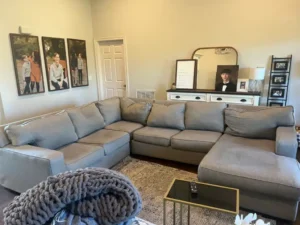
You love your sofa. It’s where the kids build forts, the dog naps, and you crash after a long day. But love leaves a mark. Body oils on the arms. Mystery spots on the cushions. That smell you only notice when guests are on the way. So you decide to clean it. Then you stare at the bottle in your hand and think, “Wait, is this safe for my couch?”
That question is smart. Upholstery isn’t all the same. What works on microfiber can ruin velvet. What’s fine for synthetic can leave rings on cotton. And what gets a stain out of your carpet can destroy your chair. At Safe-Dry®, we clean sofas, sectionals, chairs, and ottomans in homes across our service area every week. We’re parents, pet owners, and fabric nerds, so we know the stakes. You want clean furniture without ruining it, and you want a home that feels healthy.
This guide walks you through how to choose the safest upholstery cleaning method for your furniture. We’ll cover how to identify fabric, what the cleaning codes really mean, which methods match which problems, and when to call a pro. You’ll get step-by-step advice, practical tips, and honest answers. Because the safest method isn’t always the strongest. It’s the one that matches the fiber, the soil, and your home. Let’s make sure your next clean is the right clean.
First, let’s talk about why your couch is harder than your carpet. Carpet is made to be cleaned. It’s usually nylon or polyester, tufted into a backing, and installed over pad. It’s designed for traffic and hot water extraction. Furniture is different.
Your home might have a microfiber recliner, a cotton blend sofa, a linen chair, and a leather ottoman. Each one reacts differently to water, heat, and pH. Microfiber is durable and likes low-moisture cleaning. Cotton can brown or shrink. Linen water-spots easily. Silk and velvet can lose texture. Viscose, also called art silk or rayon, is notorious for yellowing and losing fibers when wet. One cleaner does not fit all, which is why upholstery cleaning needs more caution than carpet cleaning.
Carpet sits on pad over subfloor. Upholstery sits over foam, cotton, or springs. When you add too much moisture, it goes into the cushion. Cushions dry slowly. Slow drying means mildew, odor, and bacteria. It also means browning as water pulls impurities from the fill. That’s why professional upholstery cleaning uses low-moisture tools and controls how deep the solution goes.
Many furniture fabrics have dyes that aren’t set for wet cleaning. A red throw pillow might bleed onto a beige sofa. Dark denim can transfer to light fabric. If you use the wrong cleaner, you can move dye or cause fading. Certified carpet cleaning technicians test for colorfastness every time. At home, you should too.
With carpet, you can stay off it while it dries. With a sofa, it’s in your living room. If it takes two days to dry or smells like chemicals, your family feels it. That’s why the safest upholstery cleaning methods focus on low residue, fast dry times, and eco friendly carpet cleaning products that are safe for skin contact. Your kids and pets sit there. Safety is more than not ruining the fabric.
So yes, your sofa is more complicated than your carpet. But once you know the fabric and the soil, choosing the method gets easier. Let’s start there.
Before you touch your upholstery with any product, you need to know what it is. This step prevents 90 percent of disasters. Grab a flashlight and look under the cushions or on the deck. Most manufacturers sew in a tag with a cleaning code. Here’s what they mean and how we use them.
This is the most common and the easiest. It means the fabric can be cleaned with water-based solutions. It’s usually synthetic like polyester, nylon, or acrylic, or a blend. You can use mild detergent, enzyme cleaners, and hot water extraction with an upholstery tool. You still need to control moisture and rinse well, but you have options. Most professional upholstery cleaning on W fabrics uses low-moisture hot water extraction.
This means water can cause rings, shrinkage, or browning. The fabric is often cotton, linen, rayon, wool, or a delicate blend. You must use a water-free dry cleaning solvent. Using water on S fabric is the number one cause of calls for emergency carpet cleaning and upholstery repair. If you see S, do not use your carpet cleaner or steam. Vacuum only, or call a pro who has solvent tools. We carry them for this exact reason.
You have options. We usually start with water-based because it’s safer and better for allergens. If there are oil-based spots, we may switch to solvent. WS fabrics are often blends. Test first. This code gives you and your carpet cleaners the most flexibility.
This means no liquid of any kind. It’s often delicate, non-colorfast, or has a backing that breaks down with moisture. You can vacuum, brush, and use foam. Anything wet will likely cause damage. For X fabrics, professional upholstery cleaning uses dry compound or specialty methods. Don’t risk it at home.
If the tag is missing, look at the fiber. Shiny and stiff might be rayon or viscose. Soft and slubby might be linen. If it feels like a swimsuit, it’s probably polyester or microfiber. If you’re not sure, assume it’s delicate. Do a test. Mix a teaspoon of mild detergent in a cup of cool water. Find a hidden spot like the back of the skirt or under a cushion. Dip a white towel, press for 30 seconds, and check. Look for color transfer, texture change, or water marks when dry. If anything looks off, stop. That’s your sign to call for professional carpet cleaning and upholstery cleaning services.
Codes tell you about the finish, not just the fiber. Wool can be W but still needs neutral pH and low heat. Silk can be S but sometimes cleanable with extreme care. Viscose is almost always trouble with water. It’s made from wood pulp and swells, yellows, and loses fibers when wet. If you see “rayon,” “art silk,” or “bamboo silk,” assume S or X and do not use water. This is where insured carpet cleaning companies earn their keep. We know which fabrics can handle what.
So before you buy a product or rent a machine, find the code and test. It takes two minutes and it saves furniture. That’s the first rule of safe upholstery cleaning.
Once you know your fabric, match the method to the soil. Here are the main methods we use and when they’re safest.
This is the “steam cleaning” people talk about, but adapted for furniture. We use an upholstery tool with lower pressure and higher vacuum. The water is hot, but controlled. The chemistry is low-residue. The goal is to flush soil out of the fabric and the top of the cushion without soaking the foam. This is best for W and WS fabrics with general soil, body oils, and allergens. It’s the deepest clean and it’s what the IICRC S300 standard recommends for most synthetics. The benefits of professional carpet steam cleaner equipment carry over here: heat helps emulsify oils, and strong vacuum gives fast dry times, usually 2 to 6 hours. It’s the best upholstery cleaning method for homes with pets, kids, or allergies because it removes the most contaminants.
This uses a crystallizing polymer. We spray it, agitate lightly, and it surrounds soil. As it dries, it crystallizes and we vacuum it away. Dry time is 30 to 60 minutes. It’s great for maintenance cleaning, light soil, and fabrics that can’t take much water. It’s also quiet, which matters in apartments. It won’t flush deep contaminants, so it’s not for pet urine removal or heavy odor. But for routine care, it’s safe and effective.
For S fabrics, we use a water-free solvent. It dissolves oils and evaporates fast. There’s no water to cause rings or shrinkage. It’s the safest method for linen, wool, silk, and rayon blends. It requires ventilation and training, which is why it’s a professional service. DIY solvent attempts often go wrong because people over-apply or use the wrong type. When done right, it’s excellent for delicate fabric and for odor elimination without moisture.
This uses an absorbent powder with a little moisture and detergent. We brush it in, let it sit, then vacuum. It’s for X fabrics or when you need zero dry time. It’s maintenance-level, not restorative. But it’s safe and won’t cause water marks.
This is a controlled way to use water-based products. The foam has low moisture content. We apply, agitate, and extract. It’s good for WS fabrics that are sensitive to wetting. It gives more cleaning than dry methods but less risk than full extraction.
Leather isn’t upholstery cleaning in the same sense. It’s wiped, not extracted. We use a pH-balanced leather cleaner, clean with soft towels, and condition. Water and soap can damage leather. Ink and dye transfer need specialty products. If you have leather, don’t use your carpet cleaner on it. Call for help.
So how do you choose? Look at the code and the problem. W fabric with body oils and dander needs hot water extraction. S fabric with a food spot needs solvent. WS fabric with light soil can use foam or low-moisture. X fabric needs dry methods. Pet urine in a cushion needs enzyme and sub-surface extraction if possible, or cushion replacement. Matching the method is the core of safe upholstery cleaning.
If your tag says W and you want to try it yourself, here’s the safest way. This is for light maintenance, not heavy soil or pet issues. If you’re unsure, get a free carpet cleaning quote that includes upholstery and compare.
Use an upholstery tool. Get into crevices, seams, and under cushions. Remove cushions and vacuum the deck. Flip cushions and do the other side. Most soil is dry. Removing it first keeps you from making mud. This is the most important step and it’s the safest.
Mix one teaspoon of clear, non-bleach dish soap in a cup of cool water. Or use a wool-safe detergent if your fabric is natural fiber. Test on a hidden spot. Press a damp white towel for 30 seconds. Check for color transfer or texture change when dry. If it passes, proceed.
Do one arm, one cushion, or one seat at a time. You want to control moisture and dwell time. Never saturate. The goal is to clean the face fiber, not soak the foam.
Dip a white towel in solution, wring it out, and blot the area. For textured fabric, use a soft brush in a circular motion, lightly. Don’t scrub hard. You’ll fuzz the fabric. For microfiber, use a soft brush and keep the strokes consistent so it dries evenly.
This is critical. Use a new towel with plain water and blot to remove soap. Soap left behind attracts dirt, and in two weeks your sofa will look worse. That’s re-soiling, and it’s the top complaint after DIY. Rinse until the towel comes up clean.
Press dry towels into the fabric. Step on them if it’s a cushion. Change towels until they come up mostly dry. If you have a wet/dry vac with an upholstery tool, use it. Extraction is what prevents watermarks and mildew.
Set a fan to blow across the fabric. Open windows if humidity is low. Flip cushions when the top is dry. Don’t use heat. Don’t put covers back on damp. Dry time should be 2 to 6 hours. If it’s taking longer, you used too much water.
Once dry, brush the fabric to reset the pile. For microfiber, a soft brush brings it back to life. Replace cushions. Stand back and admire.
If the spot is gone and the fabric looks even, you did it. If you see rings, browning, or texture change, stop and call for professional upholstery cleaning. Those are signs you used too much water or the wrong pH.
These need different care. Here’s how to stay safe.
Vacuum thoroughly. For spots, use a dry cleaning solvent made for fabric. Apply to a white towel, not the fabric. Blot, don’t pour. Work in a ventilated area. Do not use water, steam, or enzyme. If the spot is large or the fabric is valuable, call a pro. We have solvent tools and know how to prevent rings. This is not a DIY-friendly category.
For dust and light soil, use the W method with very low moisture. For oil-based spots, use solvent on a towel. Always test. WS gives you options, but it also means the fabric can be unpredictable. If you see any change in color or texture during testing, stop.
Use a HEPA vacuum with an upholstery tool. For spots, use a dry cleaning powder or foam designed for X fabrics. Sprinkle, let sit, then vacuum. Don’t use liquid. For heavy soil or odor, you need professional upholstery cleaning with specialty dry methods. Don’t risk water.
These are high-risk. Water can mark them permanently. Heat can crush pile. Solvent can remove color. If you have these, do not DIY. Dust them, vacuum with a screen, and call for help. The cost of damage is higher than the cost of cleaning.
Pet accidents are where most DIY goes wrong. Here’s how to handle them safely, and when to call for help.
Blot up as much as possible with white towels. Step on them to transfer liquid. Don’t rub. Apply an enzyme cleaner made for pet urine. It must get to all the urine, which may mean into the cushion. Let it dwell 10 to 15 minutes. Blot and extract with a wet/dry vac if you have one. Don’t use heat. Heat sets protein. Rinse by blotting with water. Extract again. Set a fan and dry fast. If you can still smell urine when dry, it’s in the foam. That requires sub-surface flushing or cushion replacement. Search pet urine carpet cleaning and upholstery cleaning to find a pro who handles this.
Remove solids. Scrape, don’t wipe. Blot liquid. Use enzyme cleaner. Dwell, blot, rinse, extract. Disinfect after with a fabric-safe antimicrobial. If it soaked into the cushion, the odor will remain. Cushions are like sponges. Sometimes replacement is cheaper than repeated cleaning. We’ll tell you honestly.
If your pet returns to the same spot, there’s likely residual odor in the foam. Surface cleaning won’t fix it. Professional upholstery cleaning can inject enzyme, flush, and extract. In severe cases, we replace the cushion foam and clean the cover. That’s the only way to do pet odor removal permanently. Masking with fragrance or pet odor eliminator won’t work.
Blot immediately. Clean with a leather cleaner, not water. Condition after. If urine soaked into the cushion, it can damage leather from the back. Call quickly. Time matters.
The safest method for pet issues is fast blotting, enzyme, extraction, and fast drying. If you can’t extract, don’t saturate. A damp towel with enzyme is better than a soaked cushion. When in doubt, call for same day carpet cleaning and upholstery cleaning. We handle emergencies like this across our service area.
We fix these every week. Avoid them and you’ll save money and stress.
This causes rings, browning, shrinkage, and mildew. Cushions hold water. If you can’t extract it, don’t put it down. Less is more.
High pH cleaners can brown natural fibers and set tannin stains. Low pH can set protein. Wool needs neutral pH. If you don’t know, use a neutral, wool-safe product and rinse well. Or call a pro.
Scrubbing frays fabric, distorts pile, and spreads spots. Blot, tamp, or lightly brush. Let chemistry work.
Milk, blood, urine, and food are protein. Heat cooks them into the fiber. Use cool water and enzyme. Save heat for greasy soil on synthetics, and only with extraction.
Soap left behind attracts dirt. Your sofa will re-soil fast and look worse. Always rinse by blotting with water. Then extract.
Colorfastness changes by batch and age. Sun-faded fabric bleeds easier. Always test in a hidden spot and let it dry before you proceed.
Carpet tools use more pressure and water. They can over-wet cushions and leave marks. Use an upholstery tool or call for professional upholstery cleaning. The tool matters.
Not all services are equal. Here’s how to vet carpet cleaners and upholstery cleaners so you get safe, effective results.
Ask for IICRC certification. It means training in fiber ID, chemistry, and methods. Insured carpet cleaning protects you if something goes wrong. We are both, and we’re happy to show it.
A pro should ask about tags, test for colorfastness, and explain the method before starting. If they don’t test, that’s a red flag.
They should match the method to the fabric and soil. W fabric with body oils needs hot water extraction with low-residue detergent. S fabric needs solvent. Viscose needs dry methods. If they say “we steam everything,” be cautious.
If they don’t rinse, you’ll get re-soiling. Ask about it. Low-residue products are good, but rinse is better. We rinse every job.
For upholstery, 2 to 6 hours is normal with airflow. If they say it will be wet for days, they’re using too much water or have weak extraction. That’s not safe for cushions.
We can’t guarantee every stain, but we can guarantee we’ll use the safest, most effective method and be honest about results. Ask about their policy. A top rated carpet cleaning company will stand behind their work.
If you rent, you need it. If you’re selling, you want it. A free carpet cleaning quote should lead to a clear invoice. We provide detailed receipts that list services, including upholstery cleaning and stain removal service.
Many families want eco friendly carpet cleaning and upholstery cleaning. Ask about products. We use Green Seal certified and low-VOC options that are safe for kids and pets. Clean doesn’t have to mean harsh.
These habits reduce how often you need deep cleaning and keep your furniture safe.
Use the upholstery tool. Get under cushions and in crevices. Crumbs and dander are food for bacteria and dust mites. Removing them keeps fabric fresh and extends life.
Put them where people and pets sit most. Wash them weekly. It’s easier than cleaning the whole sofa and it protects from oils and accidents.
This evens wear and prevents body impressions. It also lets you clean all sides over time. Uneven wear looks like soil and it’s permanent.
We know, movie night happens. But food and drink are the top cause of spots. If you eat on the sofa, use trays and be ready to blot spills immediately.
The longer a spot sits, the harder it is to remove. Blot, don’t scrub. Use the right product for the fabric. Keep a small kit with white towels and a safe spotter. Speed beats strength.
UV fades fabric and weakens fibers. Use blinds or curtains during peak sun. Rotate furniture if possible. Faded fabric is more fragile and harder to clean safely.
Have upholstery cleaning done every 12 to 18 months for daily-use furniture. Every 6 to 12 months if you have pets or allergies. Pair it with carpet cleaning. It’s more efficient and your whole room stays healthy.
Only if it has an upholstery tool and your fabric is W or WS, and you use low moisture. Most carpet cleaners put down too much water for cushions. Over-wetting causes mildew and browning. If you’re not sure, don’t risk it. Call for professional upholstery cleaning.
Test it. Mix your cleaner, dip a white towel, and press on a hidden spot for 30 seconds. Check the towel for color. Let it dry and check for a ring or texture change. If anything transfers or changes, it’s not colorfast. Stop and call a pro.
Look for Green Seal certified, low-VOC, and fragrance-free. Rinse well so there’s no residue. We use eco friendly carpet cleaning and upholstery cleaning products that are safe once dry. Keep pets and kids off until it’s dry. That’s the key.
Sometimes. Watermarks are from uneven drying or impurities in water. We can often re-clean the whole panel and dry it evenly to remove them. If the fabric is damaged, it may not. That’s why we test first and use controlled moisture.
The odor is likely in the foam. Surface cleaning won’t reach it. You need enzyme treatment and extraction that gets into the cushion, or foam replacement. Masking with pet odor eliminator won’t fix it. We handle pet odor removal by treating the source.
Not if done correctly. Microfiber is polyester and can handle water, but it water-spots easily if over-wet. Use low moisture, a white towel to blot, and brush while damp to reset the nap. Professional upholstery cleaning uses low-moisture tools for microfiber. DIY with too much water causes rings.
Wait until it’s completely dry to the touch. That’s usually 2 to 6 hours with airflow. Sitting on damp fabric can cause re-soiling and compress the pile. We’ll tell you when it’s safe.
Yes, but it’s a different process. We clean with pH-balanced leather cleaner, not water and soap. We condition after. For ink or dye transfer, we have specialty products. Don’t use your carpet cleaner on leather.
Check the tag. If it says dry clean only, don’t wash them. Even if it says machine wash, the cushion may shrink or the color may bleed. Zippers can break. We often clean them on the cushion to control shrinkage. Ask before you unzip and wash.
Often, yes. Call early. We keep slots for same day carpet cleaning and emergency carpet cleaning, and we can add upholstery if time allows. If we can’t do same day, we’ll give you steps to hold you over.
If it’s already worn, cleaning can release loose fibers. We use low agitation and rinse well to minimize it. We can’t reverse wear, but we can clean without making it worse. We’ll tell you if a fabric is at risk.
Many, yes. Food, drink, and body oil come out with the right chemistry. Dye stains, ink, and bleach spots are harder. We have stain removal service options like reducers and oxidizers, but we can’t promise 100 percent. We’ll test and tell you what’s possible.
Your sofa and chairs are where life happens. They should be clean, safe, and comfortable, not something you cover with a blanket because you’re worried. Choosing the safest upholstery cleaning method starts with knowing your fabric, testing first, and matching the method to the mess. It means using low moisture, the right pH, and thorough rinse and dry. And it means knowing when to call a pro.
At Safe-Dry®, we built our upholstery cleaning and carpet cleaning services around families. We show up on time, we explain what we’re doing, and we use eco friendly products that are safe for your home. Whether you need a single chair, a whole sectional, or carpet and furniture together, we’ve got you. We’re a top rated carpet cleaning and certified carpet cleaning company, and we provide the receipts your landlord wants and the results your family needs.
If you’re looking at a spot, a smell, or just a sofa that needs a reset, let’s make a plan. Reach out for a free carpet cleaning quote, ask about current carpet cleaning coupons, or book your upholstery cleaning today. We’ll make it easy, and we’ll make it right.
Connect with Safe-Dry® now for upholstery cleaning, carpet cleaning, area rug cleaning, and more. Clean furniture, clean floors, calm home. That’s what we do, every day, for families just like yours.