100% Satisfaction or It's FREE!
100% Satisfaction or It's FREE!
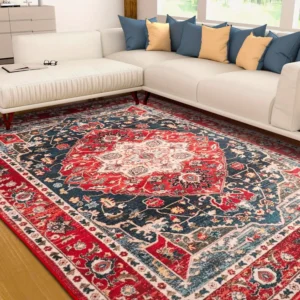
Rugs take a beating. They catch the mud from shoes, the crumbs from movie night, the fur from the dog, and sometimes the coffee that didn’t quite make it to the mug. Because they’re smaller than wall-to-wall carpet, it feels like you should be able to clean them yourself. And sometimes you can. Other times, a DIY attempt leaves you with colors that bled, fringe that’s tangled, or a rug that smells worse than when you started.
At Safe-Dry®, we’re in homes every week helping families figure out what’s safe to do at home and what needs perofessional carpet cleaning. We’re parents and pet owners too, so we know you want clear answers, not guesswork. This guide walks you through how to clean rugs at home the right way, how rugs are different from carpet, and when area rug cleaning or oriental rug cleaning should go to a pro. Because clean rugs mean clean air, soft floors, and a home that feels good to live in.
First, let’s talk about why rug cleaning isn’t the same as carpet cleaning. They look similar, but the construction is different and that changes everything.
Wall-to-wall carpet is usually synthetic, tufted into a backing, and installed over pad. Most rugs, especially wool, silk, viscose, or handmade pieces, have a woven foundation. The dyes can be natural or synthetic, and some will bleed if they get too wet or if the wrong pH is used. That’s why you’ll see colors run on a rug but not on your bedroom carpet. Professional carpet cleaning handles both, but the process for rugs is more careful.e
Fringe isn’t decorative carpet. It’s the warp threads of the rug’s foundation. It’s usually cotton and it’s delicate. Aggressive scrubbing or high alkaline cleaners turn it yellow or brown. It also tangles easily and can tear. Wall-to-wall carpet doesn’t have fringe, so your carpet cleaner at home won’t teach you how to handle it.
Rugs in entryways, kitchens, and under dining tables collect concentrated soil. They don’t have pad underneath, so dirt sits in the base of the pile and grinds against the foundation. When you pick up a rug and see dust fall out, that’s years of soil. That soil is abrasive and it’s what causes wear. Regular vacuuming helps, but deep cleaning services are needed to flush it out without over-wetting the foundation.
You can take a small rug outside. You can’t do that with installed carpet. But outdoor cleaning comes with risks. Too much sun fades dyes. Too much water without extraction leaves the rug heavy and slow to dry, which can cause mildew, browning, or shrinkage. Drying is the hardest part of rug cleaning at home, and it’s where most DIY problems start.
So while carpet cleaning and rug cleaning use some of the same ideas, rugs need extra caution. The steps below will keep you safe for maintenance. For deep work, especially on wool, silk, or valuable pieces, professional rug cleaning is the better choice.
Before you touch a rug with water, figure out what it is. The wrong method can cause dye bleed, shrinkage, or texture damage. Here’s how to check.
Look on the back for a tag. It may say wool, synthetic, cotton, viscose, jute, or blend. It may say “dry clean only” or “professional cleaning recommended.” If it says viscose, rayon, art silk, or bamboo silk, stop. Those fibers are very sensitive to water and should not be wet cleaned at home. Call for professional rug cleaning. If it says wool, you can do maintenance, but be careful with moisture and pH.
Flip the rug over. If you see a stiff backing with glue, it’s likely a machine-made, tufted rug. Too much water can break down the latex and cause buckling. If you see a woven pattern that matches the front, it’s likely hand-knotted or hand-woven. These can be washed, but they need controlled drying. If the back is cloth and it’s stitched around the edges, it may be a broadloom cut down and bound. Those can ripple if over-wet.
This is critical. Mix a teaspoon of your intended cleaner in a cup of cool water. Dip a white cotton towel and press it on a colored area of the rug for 30 seconds. Check the towel. If any color transferred, the dye is not stable. Do not wet clean this rug at home. You need professional rug cleaning where we can test and control the process. Also test fringe. It bleeds easily.
Look for dry rot, pet urine damage, or worn spots. If the rug is brittle, has a strong odor, or you see powder under it, it may have dry rot or old pet urine. Water will make it worse. For pet urine carpet cleaning on rugs, the urine is often in the foundation. That needs sub-surface flushing, which is beyond DIY. For cat urine removal or dog urine removal in rugs, we often wash both sides in our facility. That’s not a bathtub job.
If your rug passes these checks and it’s a synthetic, cotton, or wool piece with stable dyes, you can do light cleaning at home. If not, skip to the section on professional rug cleaning. It’s better to be safe than sorry with something valuable.
Let’s start with the easiest case. You have a small, synthetic or cotton rug, the label says machine washable or the dye test passed, and it fits in your washer. This is the safest DIY.
Take it outside and shake it. You’ll be surprised what comes out. Then vacuum the back first. That pushes soil to the surface. Flip and vacuum the front slowly. Use a brush attachment, not a beater bar on fringe. This removes dry soil so you don’t make mud later.
Use a small amount of clear dish soap in water. One teaspoon per cup. Blot spots with a white towel. Do not scrub. Rinse by blotting with water. For pet stain removal, use an enzyme cleaner made for pet urine. Let it sit as directed, then blot. Don’t use heat on protein stains.
Use cold water, mild detergent, and the gentle cycle. No bleach. No fabric softener. Wash the rug alone. Add a few towels to balance the load. High spin helps remove water.
Never put a rug in the dryer unless the tag says so. Heat can shrink or ripple it. Lay it flat on a clean surface or hang it over a railing with even support. Use fans and dehumidifier. Flip it when the top is dry. Make sure it’s 100 percent dry before putting it back. Damp rugs grow mildew and cause odor elimination problems later.
Once dry, vacuum lightly to lift the pile. Use a soft brush on fringe to separate strands. Don’t comb aggressively. If fringe is yellowed, that’s likely browning from moisture. A professional can correct it, but it’s hard to fix at home.
This process works for bathroom mats, small entry rugs, and synthetic kitchen rugs. It does not work for wool, silk, viscose, or large rugs. For those, keep reading.
This is where most people get into trouble. Wool is durable, but it’s sensitive to heat, alkalinity, and over-wetting. If your rug is too big for the washer, dye-stable, and you want to do maintenance cleaning, here’s the safest method. This is surface cleaning, not deep cleaning services.
Wool holds a lot of dry soil. Vacuum the back first to push soil up, then the front. Go slow. Use a suction-only tool on fringe. If you have a beater bar, set it to the highest height. You’re not trying to beat the rug. You’re trying to remove grit.
Mix a wool-safe detergent. Look for pH 7 to 8. No bleach, no optical brighteners, no enzymes unless for pet stains. Test on the back or a corner. Wait until dry. If no color change or texture change, proceed.
Work in 2-foot sections. Use a soft brush or sponge. Apply a small amount of solution, agitate lightly, then extract with a wet/dry vacuum or blot with thick towels. The goal is low moisture. Never pour water on the rug. You want to control it. If you don’t have a wet/dry vac, use towels and step on them. Change towels often.
This is the most skipped step. Soap left behind attracts dirt. Use clean water on a towel or sponge and blot the area you cleaned. Then extract or blot again. Repeat until the towel comes up clean. Re-soiling happens because of residue, so rinse well.
Set up fans to move air across the rug. Run a dehumidifier and AC. Keep humidity under 50 percent. Flip the rug when the top is dry to the touch so the back dries too. Don’t put it back until it’s completely dry. This can take 12 to 24 hours depending on size and humidity. If it takes longer, you used too much water.
Once dry, vacuum lightly. Brush fringe with your fingers to separate. If edges curled, roll them the opposite way and let them relax. Don’t force them.
This method removes surface soil and fresh spots. It will not remove deep soil, pet urine in the foundation, or set stains. For those, you need professional rug cleaning where we can wash both sides and control drying. That’s the difference between maintenance and restoration.
These mistakes cause the calls we get for emergency carpet cleaning or rug rescue. Avoid them and you’ll save yourself trouble.
Rental machines are made for installed carpet. They put down a lot of water and don’t extract well from a rug with no pad. You’ll soak the foundation and it will take days to dry. That leads to browning, mildew, and odor. Also, the brushes can fuzz wool or snag edges. If you must use a machine, use an upholstery tool and go light, but it’s still risky.
Bleach removes color and weakens fiber. Vinegar is acidic and can set some dyes or damage wool. Oxi cleaners are high pH and can cause color loss or texture change. Wool needs pH 7 to 8. Silk needs even more care. When in doubt, use water.
Fringe is not carpet. It’s cotton and it’s fragile. Scrubbing makes it fuzzy and yellow. If it’s dirty, blot with a towel and mild solution, then rinse. Better yet, leave it to the pros. We have fringe tools and whiteners that are safe.
The weight of water can stretch the foundation and cause ripples. If you hang it, support it evenly across several lines or lay it flat. Flat drying is best.
Milk, food, blood, and pet urine are protein. Heat cooks them into the fiber. Use cool water and enzyme cleaners. Save heat for professional carpet cleaning where we control it.
If you have a rug pad, it’s probably dirty too. Vacuum it. If it got wet, replace it. A $20 pad is cheaper than a $2,000 rug. Old pad holds odor and soil and transfers it back to the rug.
Viscose, rayon, art silk, and some wool blends are not. They can yellow, ripple, or lose pile with water. If the tag says dry clean only, believe it. That means professional rug cleaning in a controlled plant, not DIY.
So what do we do at Safe-Dry® that you can’t do at home? It’s not magic. It’s process, equipment, and experience.
We put the rug in a dusting machine that vibrates and removes pounds of dry soil. You can’t get that out with a vacuum. Dry soil is abrasive and it’s what wears out rugs. Removing it dry keeps us from making mud in the wash.
We test every color for stability. If a dye is unstable, we use a different process. We inspect for pre-existing damage, pet urine, and repairs. We document it so you know what to expect. This is part of certified carpet cleaning and rug cleaning.
For wool and synthetic rugs, we wash the face and the back. We use the right pH and temperature for the fiber. For pet urine carpet cleaning in rugs, we saturate with enzyme and flush from the back so urine salts come out. Then we extract. This is why professional rug cleaning removes odor and your tub doesn’t.
We dry rugs flat in a temperature and humidity controlled room with air movers. This prevents browning, shrinkage, and mildew. Fast, even drying is critical for wool and silk. You can’t replicate this on a patio.
We groom the pile to set it, detail the edges, and clean fringe with tools that whiten without damage. If fringe is too far gone, we can replace it. That’s part of restoration.
We wrap the rug for protection and return it to you. It’s clean, dry, and ready to go back on the floor. No guesswork, no risk.
That’s the difference between carpet cleaning at home and professional rug cleaning. One is maintenance. The other is restoration. Both have a place.
Let’s get specific. Here are the top issues we see and what to do right now.
Blot immediately with white towels. Use cool water and blot again. If it’s greasy, use a drop of clear dish soap in water, then rinse. Don’t use heat. If it’s red wine or coffee and it remains, stop and call for stain removal service. Tannin and dye stains need special chemistry.
Blot up as much as you can. Apply an enzyme cleaner for pet urine. Let it sit 10 to 15 minutes. Blot and extract with a wet/dry vac if you have one. Don’t use steam. If you can still smell it when dry, it’s in the foundation. That needs professional pet urine removal where we flush both sides. For cat urine removal or dog urine removal, speed matters. The longer it sits, the harder it is.
Let it dry. Vacuum thoroughly. If residue remains, use water and blot. Most mud is a spot, not a stain. The mistake is cleaning it wet, which spreads it. Patience is better.
Sprinkle baking soda or cornstarch to absorb, let sit 15 minutes, then vacuum. Use a small amount of dish soap and water, blot, and rinse. If it’s in a kitchen rug, it may need degreaser and extraction. That’s a job for professional carpet cleaning services.
Blot, don’t rub. Try alcohol on a towel and blot, but test first. Many inks are permanent. If it spreads, stop. Ink needs solvent and extraction. Call before you make it worse.
Harden with ice, then crack off with a dull knife. Vacuum crumbs. Put a brown paper bag over residue and a warm iron on the bag. The wax transfers to the bag. Don’t use high heat on synthetic rugs. If color remains, it may be a dye stain.
Odor means moisture or organic material. Dry the rug completely with fans and dehumidifier. Sprinkle baking soda, let sit overnight, then vacuum. If odor remains, there may be mold or bacteria in the foundation. That needs professional rug cleaning and antimicrobial treatment. This is where carpet deodorizing and odor elimination by a pro helps.
Here’s your quick decision list. If any of these are true, call for professional rug cleaning or area rug cleaning.
The rug is wool, silk, viscose, or antique. The label says dry clean only. Dye test shows color bleed. There is pet urine and you can smell it. The rug was wet for more than 24 hours. There is visible mold or mildew. The rug is large and you can’t dry it flat. The fringe is yellowing or damaged. The value of the rug is high, either money or sentimental. You tried DIY and it looks worse.
In these cases, DIY risks damage that costs more than cleaning. An insured carpet cleaning company will test, explain, and proceed safely. Ask for a free carpet cleaning quote and describe the rug. We’ll tell you if it should come to our facility or if we can clean it in your home.
It depends on traffic, pets, and location. Here’s a simple schedule that works for most families.
Entry rugs and kitchen rugs: Vacuum twice a week. Professional rug cleaning every 12 to 18 months, or every 6 to 12 months with pets or kids. These take the most abuse.
Living room and dining room rugs: Vacuum weekly. Professional cleaning every 1 to 2 years. If you have pets or allergies, every 12 months.
Bedroom rugs: Vacuum weekly. Professional cleaning every 2 to 3 years. Less traffic means less soil.
Bathroom rugs: Washable ones, wash monthly. If it’s a wool rug in a bathroom, move it. Bathrooms are too humid for wool.
Area rugs over carpet: Vacuum both. The rug protects the carpet, but it gets dirty faster. Clean the rug every 12 months and the carpet every 12 to 18 months. That’s how carpet cleaning and rug cleaning work together.
If you have allergies or asthma, shorten these times. Clean air starts with clean soft surfaces. That’s why best carpet cleaning plans include rugs and upholstery cleaning on a schedule.
If it’s a small, synthetic, machine-washable rug and you use low moisture, you can. For wool, silk, viscose, or valuable rugs, no. The risk of bleeding, browning, or shrinkage is high. Those need professional rug cleaning with controlled wash and dry.
Blot with a towel and mild detergent, then rinse by blotting with water. Comb gently with fingers when damp. Don’t use bleach or whiteners. If it’s yellow, that’s usually cellulosic browning from moisture. Pros can correct it. Don’t scrub.
It’s likely still damp or you left residue. Dry it completely with fans and dehumidifier. If odor remains, there may be bacteria or pet urine in the foundation. That needs professional rug cleaning with enzyme treatment and extraction. This is where odor elimination and carpet deodorizing by a pro help.
You can, but be careful. Don’t put it in direct sun. Colors can fade and backing can get hot and warp. Don’t drape over one line. Support it evenly or lay it flat in shade with airflow. Bring it in before evening dew. Indoors with fans is safer.
Blot fresh urine, then saturate with enzyme cleaner. Let it sit 10 to 15 minutes. Blot and extract with a wet/dry vac. Rinse with water and extract again. Dry fast. If it soaked through, you need sub-surface flushing. For cat urine removal or dog urine removal that reached the foundation, call for professional pet urine carpet cleaning. Enzymes need to reach all the urine to work.
Wool and some natural fibers can shrink if over-wet or dried with heat. Professional rug cleaning controls water and drying to prevent this. At home, use minimal moisture and dry flat with no heat. If the rug is tufted with latex backing, too much water can cause ripples. When in doubt, don’t soak it.
For odor, yes, sparingly. Sprinkle, let sit overnight, then vacuum thoroughly. Don’t use it wet. It can clump and be hard to remove. Don’t use it on viscose. It can cause yellowing. For real odor elimination, cleaning is better than masking.
If you like it, it fits your space, and replacement costs more than cleaning, it’s worth it. If it’s sentimental or wool or handmade, it’s worth it. We’ll tell you honestly when you ask for a free carpet cleaning quote.
Yes. Many carpet cleaning services and rug cleaning companies offer pickup and delivery. We clean in our facility where we control dusting, washing, and drying. That’s the safest way for wool, silk, and oriental rug cleaning. Ask about it when you call.
These are very sensitive to water. They can brown, shrink, or grow mildew. Vacuum only. Spot clean with a dry cleaning compound or very little moisture. For stains, call a pro. These often need specialized cleaning. Don’t use a steam cleaner.
Short answer, not really. The long pile holds soil and is hard to extract. Vacuuming is difficult and beater bars tangle. Shag rugs also hold pet hair and dander. Surface cleaning won’t get it. Professional carpet cleaning with strong extraction and grooming is best. At home, shake it, vacuum with an upholstery tool, and spot clean. For deep clean, call us.
Use a rug pad. It protects the rug, prevents slipping, and adds cushion. If you washed the pad, make sure it’s 100 percent dry before putting the rug back. A damp pad will cause mildew and odor.
Rugs make a house feel like home. They add color, warmth, and comfort. They also catch everything life drops. Knowing how to clean rugs at home gives you control for the small stuff. Knowing when to call for professional rug cleaning gives you peace of mind for the big stuff.
You don’t have to guess. If it’s small, synthetic, and colorfast, you can maintain it. If it’s wool, silk, valuable, or has pet urine, odor, or dye issues, let a pro handle it. That mix keeps your home healthy and your rugs lasting for years.
At Safe-Dry®, we clean rugs every day. We’re a family-first team that treats your rugs like our own. We use certified carpet cleaning methods, eco friendly products, and we’re an insured carpet cleaning company you can trust. Whether you need area rug cleaning, oriental rug cleaning, pet stain and odor removal, or whole-home carpet cleaning services, we’re here to help. We offer free carpet cleaning quote, clear pricing, and honest advice. And yes, we have carpet cleaning specials and carpet cleaning coupons throughout the year.
If your rug needs help, or you’re not sure what to do next, reach out. Let’s talk about your rug, your home, and what makes sense for you. We’ll give you options, not pressure. Because clean rugs and clean air shouldn’t be complicated.
Connect with Safe-Dry® today for rug cleaning, carpet cleaning, upholstery cleaning, and more. Clean floors, calm home, happy family. That’s what we do, every day, for homes just like yours.