100% Satisfaction or It's FREE!
100% Satisfaction or It's FREE!
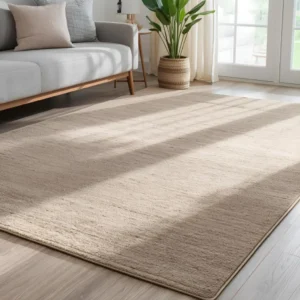
Walk into your home after a long day. You kick off your shoes, drop your bag, and take a breath. What does it feel like? If the carpet looks dull, smells a little stale, or feels gritty under your feet, the whole space feels off. And if the sofa has that lived-in look you don’t love, the room never quite feels fresh, no matter how many candles you light.
That’s because residential carpet cleaning isn’t just about floors. It’s about the whole home. Carpet, rugs, and furniture all share the same air, the same traffic, and the same life. At Safe-Dry®, we clean homes across our service area every day, and we’ve learned one thing: when the carpet gets clean but the couch doesn’t, the room still feels heavy. When both get cleaned, the whole house breathes easier.
So let’s talk about what residential carpet cleaning really means. We’ll cover why it matters, how it works with upholstery cleaning, what you can do yourself, and when to call a pro. You’ll get step-by-step advice, practical tips, and real answers to the questions we hear from families. Because clean carpet is great. Clean carpet and clean furniture are better. And a healthy home is the goal.
First, let’s define it. Residential carpet cleaning is the process of removing soil, oils, allergens, and stains from the carpet in your home. It’s different from commercial cleaning because homes have different traffic, different soils, and different expectations.
Commercial carpet sees shoes and carts. Home carpet sees bare feet, pets, kids, food, crafts, and everything life brings. That means more body oils, more food spills, more pet accident cleaning, and more mystery spots. It also means the carpet is part of your family’s breathing zone. You sit on the floor. Your baby crawls on it. Your dog naps there. So the stakes are higher.
A house might have nylon in the living room, wool in the bedroom, and olefin in the basement. You might have area rug cleaning needs in the dining room and oriental rug cleaning in the entry. The sofa might be microfiber and the chairs might be linen. Residential carpet cleaning has to adapt to all of it. That’s why certified carpet cleaning technicians test fiber and choose the right method. One size does not fit all.
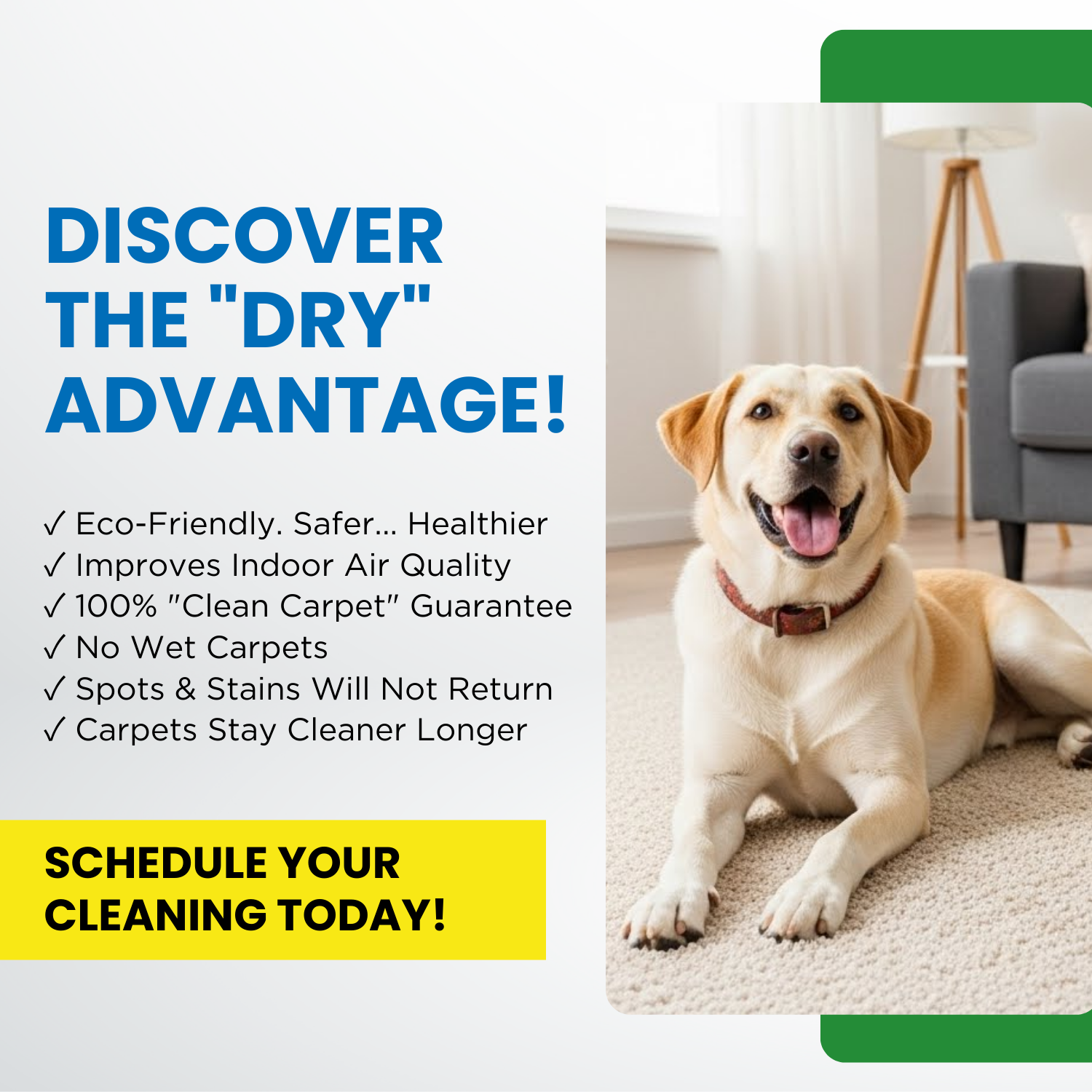
In a business, you can close a section overnight. At home, you need to live there. Kids need to get to bed. Pets need to come in. You can’t wait three days for carpet to dry. That’s why residential carpet cleaning focuses on high extraction, airflow, and low-residue products. Dry in hours, not days. That prevents wicking, mildew, and frustration.
If you rent, your lease might require professional carpet cleaning with a receipt. If you’re selling, buyers ask or you have allergies, your doctor might recommend it. Residential service means we provide clear carpet cleaning estimate, written invoices, and notes on pet stain and odor removal if needed. It’s not just cleaning. It’s peace of mind.
So residential carpet cleaning is about method, safety, and real life. It’s deep cleaning services built around families, not buildings. And it works best when paired with upholstery cleaning, because the two share the same air and soil.
Think of your home as a loop. Soil comes in on shoes and paws. It lands on carpet. You walk, and some becomes airborne. It settles on the sofa. You sit, and oils and dander transfer to the fabric. You stand up, and some of that transfers back to the carpet. Open a window and pollen comes in. It lands on both.
The Carpet and Rug Institute and the EPA both point out that soft surfaces act like filters. They trap dust, allergens, and soil. That’s good, because it keeps it out of the air. But filters need to be emptied. If you clean the carpet and skip the couch, you emptied half the filter. Within weeks, the dirty half re-soils the clean half.
We see this in homes across our service area all the time. A client books carpet cleaning services for allergies. We clean, and they feel better for a month. Then it creeps back. We return and realize the family dog sleeps on the sectional. We do upholstery cleaning, and the relief lasts. That’s not a sales pitch. It’s physics. Air moves. Soil moves. Cleaning both breaks the cycle.
That’s why the best carpet cleaning plans include upholstery cleaning. It’s not extra. It’s essential for homes that want real results.
Let’s get specific, because knowing what’s there helps you decide how to clean it. This isn’t meant to scare you. It’s meant to explain why residential carpet cleaning matters.
The Carpet and Rug Institute estimates 80 percent of soil in carpet is dry. Sand, dust, skin flakes, and fiber fragments. It’s abrasive. Every step grinds it against fibers, which dulls them and causes wear. Vacuuming removes a lot, but the fine stuff goes to the base of the pile. Only hot water extraction gets it out. On furniture, dry soil sits on arms, headrests, and seat cushions. You see it as dark areas. That’s oil plus soil.
Skin oil, lotion, hair products, and cooking oils aerosolize and settle. They’re sticky. Once on the fiber, dry soil clings to them. That’s why traffic lanes turn gray and sofa arms look dark. Water alone won’t remove oil. You need chemistry to break the bond. That’s where professional carpet cleaning and upholstery cleaning use emulsifiers and rinse thoroughly.
Even “hypoallergenic” pets produce dander. It’s light, so it floats, and it’s sticky, so it clings. It gets into carpet backing and cushion foam. The Asthma and Allergy Foundation of America lists it as a top indoor allergen. Regular cleaning removes it. Let it build up and it becomes airborne with every step or sit.
Coffee, juice, wine, milk, and sauces are organic. Some are tannin, some are protein, some are dye. If you catch them fast and blot, they’re often removable. If they dry or get heat, they can bond. That’s when stain removal service with specific chemistry is needed. Heat from a steam cleaner can set milk or blood. That’s why pros control temperature.
This is its own category. Urine is acidic, then turns alkaline and forms uric acid crystals in carpet pad or cushion foam. Humidity reactivates them, which is why you smell it on rainy days. Surface cleaning won’t touch it. You need enzyme treatment and sub-surface extraction. That’s pet urine carpet cleaning, and it’s different from general carpet cleaning. Cat urine removal and dog urine removal require enough enzyme to reach all the crystals and then extraction to remove them. Otherwise, you’re just masking odor.
They feed on skin flakes in carpet and upholstery. They don’t bite, but their waste is an allergen. Keep humidity under 50 percent and remove their food source. Hot water extraction for carpet and low-moisture upholstery cleaning for furniture, plus HEPA vacuuming, cut populations way down.
So when we talk about residential carpet cleaning, we’re talking about removing all of this. It’s not just about looks. It’s about health, air quality, and how long your things last.
There’s no universal rule, but there are smart guidelines. These come from IICRC S100 standards, manufacturer warranties, and what we see in real homes.
No pets, no kids, no allergies: professional carpet cleaning every 12 to 18 months. Vacuum weekly with a HEPA vacuum and you’re in good shape. This keeps warranties valid, since most require professional cleaning every 12 to 24 months.
One pet or kids: every 6 to 12 months for main areas. Dander, accidents, and food spills build faster. Waiting longer lets soil and oils set, which makes removal harder.
Multiple pets, allergies, or asthma: every 3 to 6 months for living areas and bedrooms. Bedrooms matter because you spend eight hours a night there. The American Lung Association supports frequent cleaning for asthma homes. Clean carpet means fewer triggers.
Smokers, water damage, or move-in/move-out: clean immediately. Smoke, mildew, and unknown history mean you want a reset. Many leases require a receipt from a certified carpet cleaning company at move-out.
Light use, no pets: every 18 to 24 months. Vacuum monthly and spot clean. You’re maintaining, not restoring.
Daily use family room sofa: every 12 to 18 months. Body oils and food build up on arms and cushions. If you see dark areas, it’s time.
Pets on furniture: every 6 to 12 months. Dander, hair, and occasional accidents soak into foam. Regular upholstery cleaning prevents odor from setting in.
Allergies or asthma: every 6 to 12 months, same as carpet. Your breathing zone is right above the sofa, so clean it as often as the floor.
Dining chairs: every 12 to 18 months, or after big holidays. Food and body oils are the main issues.
The best plan is to schedule them together. Clean carpet in spring, do the sofa too. Clean both in fall before holidays. That way your whole room resets at once and stays clean longer. It’s more efficient and it’s better for indoor air. Search for carpet cleaning near you that also offers upholstery cleaning. Bundling saves time and money.
You don’t need a pro every month. Here’s what you can do yourself that makes a real difference. These steps are safe for most synthetic carpet and common upholstery. Always check tags and test first.
Use a vacuum with a sealed HEPA system. Go slow. Count to five for each pass in traffic areas. Do it twice a week. Use the upholstery tool for sofas, chairs, and under cushions. Lift cushions and vacuum the deck. Most dry soil comes up this way. It’s the cheapest carpet cleaning you’ll ever do and it’s the best upholstery cleaning maintenance too.
Blot liquids with white towels. Don’t rub. Work from outside in. For water-based spills, use a teaspoon of clear dish soap in a cup of cool water. Apply to a towel, blot, then rinse by blotting with water. For upholstery, check the tag. W means water is okay. S means solvent only. X means vacuum only. If it’s S or X, don’t use water. For pet accident cleaning, use an enzyme cleaner made for urine. Let it dwell 10 to 15 minutes, blot, and dry. No heat. Heat sets protein.
Eighty percent of soil walks in on shoes. A mat outside and a larger one inside cuts it dramatically. A no-shoes policy keeps oils and grit off carpet. This isn’t about being fussy. It’s about keeping your deposit and your air clean.
Put washable mats under food bowls and litter boxes. Keep a pet stain and odor removal kit ready: white towels, enzyme cleaner, gloves, and a small wet/dry vac. Wipe paws at the door. Trim nails. These steps reduce accidents and soil.
Keep indoor humidity between 30 and 50 percent. Run bath fans, use AC, and consider a dehumidifier. Dust mites and mildew can’t thrive in dry air. This helps both carpet and furniture stay fresh.
Flip and rotate sofa cushions monthly. Rotate area rugs every few months. This evens wear and sun exposure. It also lets you clean under them. Uneven wear looks like soil and it’s permanent.
These habits don’t replace deep cleaning services, but they make every professional visit more effective. They also stretch the time between cleanings, which saves money.
Here’s the exact process we teach homeowners. It works for most spots and won’t void warranties.
Pick up any chunks with a spoon or dull knife. Don’t push down. Work from the edge in. Get rid of what you can before it becomes liquid.
Use white towels or paper towels. Step on them to transfer moisture. Change towels until they come up mostly dry. Don’t rub. Rubbing frays fibers and spreads the spot.
Use cool water first. Many spots are water-soluble. Spray lightly or dip a towel and blot. You’ll be surprised how often this works. It’s safe for all carpet and won’t leave residue.
If water alone doesn’t work, mix one teaspoon of clear, non-bleach dish soap in a cup of warm water. Apply to a towel, not the carpet. Blot the spot. Work from outside in. This lifts more without soaking the pad.
This is the step most people skip. Use clean water on a towel and blot to remove soap. Soap left behind attracts dirt, and in two weeks you’ll have a new spot. Rinse until the towel comes up clean.
Place a folded towel over the area and step on it. Then set a fan to blow across the area. You can also use a hair dryer on cool. The goal is dry in a few hours. Slow drying causes wicking, where soil from the backing comes up.
Once 100 percent dry, vacuum to lift the pile. This removes any loosened soil and restores texture. If the spot is gone, you’re done. If it’s still there, it may be a stain that needs stain removal service.
Upholstery is trickier because you can’t extract as well and some fabrics are delicate. Here’s the safe way.
Look under cushions for the cleaning code. W means water-based cleaner is okay. S means solvent only. WS means either. X means vacuum only. If it’s S or X, stop. Use a dry cleaning method or call a pro. Using water on S can leave rings.
Use an upholstery tool. Get into crevices. Remove cushions and vacuum the deck. Most of the soil is dry and will come up. This is the most important step and the safest.
Same as carpet. Blot, don’t rub. Work from outside in. Use a white towel so you can see what’s coming up.
For W fabrics, use a small amount of upholstery shampoo or the dish soap solution. Apply to a towel or soft brush. Clean lightly. The goal is to clean the face fiber, not soak the cushion. Cushions hold water and can grow mildew.
Use a towel with water and blot to remove soap. Then blot with dry towels. Residue on upholstery causes rapid re-soiling because you sit on it and add body oils.
Set a fan to blow across the fabric. Flip cushions when the top is dry. Don’t use heat. Don’t put it back together damp. Damp cushions grow odor fast.
If the fabric is silk, wool, velvet, or you’re not sure, don’t use water. Call for professional upholstery cleaning. We have low-moisture tools and pH-correct products for delicate fabric.
DIY is great for maintenance. Here’s when you need a pro, and why it saves money and stress.
If urine soaked through, it’s in the pad or foam. You can’t get it out with blotting. You need enzyme treatment and sub-surface extraction. For cat urine removal or dog urine removal, we use UV light to find all areas, treat, flush, and extract. We also apply deodorizer. This is pet stain and odor removal done right. Doing it yourself often spreads it or sets it.
If it’s more than a spot, rental machines don’t have the extraction power. They leave water behind, which causes wicking, browning, and mildew. Professional carpet cleaning uses high lift and heat to clean and extract in one pass. Dry times are 4 to 8 hours. That’s the difference between clean and just wet.
If you cleaned and it still smells, the source is still there. Carpet deodorizing with fragrance won’t fix it. You need odor elimination at the source. That means finding it, removing it, and then deodorizing. It applies to carpet, rugs, and upholstery.
Wool, silk, viscose, linen, and antique rugs need specialty care. So does Haitian cotton, velvet, and leather. Wrong pH or too much water can cause bleeding, shrinkage, or texture loss. Professional rug cleaning and upholstery cleaning protect your investment.
If someone in your home has breathing issues, you want maximum removal. That means HEPA vacuuming, hot water extraction, and low-residue products. It means cleaning carpet and furniture together. Certified carpet cleaning hits all these points.
You want documentation and results. A receipt from an insured carpet cleaning company helps with deposits and peace of mind. We can do carpet cleaning and upholstery cleaning the same day so the whole place is ready.
If carpet or a sofa got soaked, you need extraction fast. Waiting causes mold. This is emergency carpet cleaning. We have the tools to pull water out and dry it safely.
Here’s what happens when you book Safe-Dry®. No surprises, no jargon.
We look at your carpet and furniture, identify fiber, condition, and spots. We explain what we can do and what to expect. You get a free carpet cleaning quote before we start.
We vacuum with commercial HEPA. On carpet, we use a powerhead. On upholstery, we use crevice and upholstery tools. This removes dry soil so we don’t make mud later. It’s the most important step and most DIY skips it.
We apply products based on what we found. Enzymes for pet urine. Degreaser for body oils on sofa arms. Tannin remover for coffee. Low-residue pre-spray for general soil. We let it dwell so chemistry does the work.
We agitate lightly with tools safe for the fiber. On carpet, that may be a groomer. On upholstery, a soft brush or towel. This lifts soil without damaging fabric.
For carpet, we use hot water extraction with high lift. For upholstery, we use low-moisture tools that control water. The method matches the material. That’s why best carpet cleaning and best upholstery cleaning look different.
We treat any remaining spots. We apply deodorizer if needed. For pet issues, we do odor elimination at the source, not masking.
We groom carpet pile and set air movers. For furniture, we set air movers and leave cushions propped for airflow. Dry times are fast. We don’t leave until it’s set up for success.
We look at everything with you. We point out any areas that didn’t come out and why. You get a receipt for your records. That’s it. Clean, dry, and documented.
Residential carpet cleaning isn’t just wall-to-wall. Here’s how we handle the rest of the home.
Synthetic rugs can often be cleaned at your home. Wool and oriental rug cleaning should be done in our plant. We dust them, wash both sides, and dry them flat with control. That removes soil you can’t get at home and prevents bleeding or shrinkage. If you have a valuable rug, don’t risk it. Ask about pickup and delivery.
Stairs get the most traffic and wear. We use hand tools and extra attention. We clean each step and the risers. Stairs often need more time because soil is compacted. That’s normal. We don’t rush it.
We identify fabric, test, and choose water-based or solvent cleaning. We clean arms, headrests, and cushions. For leather, we clean and condition. For microfiber, we use low moisture and groom while damp. The result is furniture that looks good and smells fresh.
You spend eight hours a night here. We offer mattress cleaning with UV light, HEPA vacuuming, and low-moisture cleaning. It removes dust mites, dander, and body oils. Pair it with carpet and upholstery cleaning for full bedroom reset.
Cleaning the whole home at once gives the best result. It improves air quality, appearance, and how long everything lasts. That’s why deep cleaning services often bundle these together.
Let’s talk carpet cleaning cost and upholstery cleaning cost openly. Prices vary by size, condition, and area. Here’s how to think about it.
Square footage or room count for carpet. Number of seats and fabric type for furniture. Soil level. Pet issues. Stairs. Stain removal service. Area rug cleaning if taken to our plant. Same day carpet cleaning or off-hours. The more we know up front, the more accurate the carpet cleaning estimate.
Bundle carpet and furniture. It’s one trip and one setup. Do your vacuuming before we arrive. Move small items. Ask about carpet cleaning deals or carpet cleaning specials. Many companies offer them in slower seasons. Look for carpet cleaning coupons for first-time service. Maintain between visits so we’re not doing restorative cleaning every time. Affordable carpet cleaning is about frequency and maintenance, not just the lowest price.
Pet stain and odor removal is worth it. It protects your home and your health. Hot water extraction for heavy soil is worth it. It extends carpet life. Cleaning before you list a home for sale is worth it. It improves showings and offers. Cheap carpet cleaning that leaves residue is not worth it. You’ll pay again when it re-soils or when the landlord rejects it.
A good company will explain costs and options. If someone gives a price without seeing the job, be careful. A top rated carpet cleaning company will inspect and quote clearly.
Do them together. If you have to choose, do the carpet first, then furniture. But the best answer is both, because they re-soil each other. That’s why carpet and furniture cleaning are often bundled.
With hot water extraction and air movers, carpet is usually dry in 4 to 8 hours. Upholstery is 2 to 6 hours. Low-moisture methods are faster, 1 to 2 hours. Humidity and airflow matter. We set it up for fast drying and we’ll tell you when it’s safe.
Most food, drink, and pet stains come out if treated correctly. Dye stains, bleach spots, and years-old stains may not. We’re honest about what’s possible. Stain removal service is part of professional carpet cleaning, but we can’t promise 100 percent. We can promise we’ll use the best process.
Yes. We use eco friendly carpet cleaning products and rinse thoroughly. Keep kids and pets off until dry. Once dry, it’s safe. We have pets and kids too, so we choose products we’d use in our own homes.
We move light furniture like chairs, tables, and sofas. We don’t move heavy items like beds, dressers, or electronics. For best results, clear small items and breakables. We’ll handle the rest.
Tell us. We work in apartments daily. We use portable units, protect floors, and respect quiet hours. We’re an insured carpet cleaning company and we follow building policies. We’ll provide a receipt for your landlord.
Vacuum weekly, use mats, take shoes off, blot spills fast, and keep humidity down. Use carpet protectant after cleaning. Schedule maintenance cleaning before it looks dirty. Those habits make every carpet cleaning service last longer.
Yes, if we can reach the source. We use UV light, enzyme treatment, sub-surface extraction, and deodorizing. If it’s in the pad or subfloor, we’ll tell you and discuss options. That’s real pet odor removal, not masking.
Often, yes. Call early. We keep slots for same day carpet cleaning and emergency carpet cleaning. If we can’t do same day, we’ll give you steps to hold you over.
A carpet cleaner can be a machine or a person. A professional carpet cleaner is trained, insured, and equipped. The machine is only part of it. Chemistry, technique, and extraction make the difference. That’s why carpet cleaning near you from a pro lasts longer than DIY.
You can for light maintenance, but use very little detergent and make extra dry passes. Over-wetting and residue cause problems. For many homes, vacuuming and spot cleaning are better between pro visits. Save the machine for emergencies.
It depends. Synthetic rugs can be cleaned at home. Wool and oriental rugs go to our plant for full wash and dry. We’ll tell you which is best. Either way, you get the same care and documentation.
Residential carpet cleaning is about more than floors. It’s about the air you breathe, the way your home feels, and the health of your family. And it works best when paired with upholstery cleaning, because your home is a system. Clean one and not the other, and you’re only halfway there.
You don’t have to figure it out alone. Vacuum and blot the small stuff. Call us for the deep stuff. Together, that’s a plan that works for real life. It protects your carpet, your furniture, and your time.
At Safe-Dry®, we built our carpet cleaning services and upholstery cleaning around families. We show up on time, we explain what we’re doing, and we use eco friendly products that are safe for your home. Whether you need whole-home carpet cleaning, pet stain and odor removal, area rug cleaning, or just the sofa and chairs, we’ve got you. We’re a top rated carpet cleaning and certified carpet cleaning company, and we provide the receipts your landlord wants.
If you’re looking at spots, smells, or just a home that needs a reset, let’s make a plan. Reach out for a free carpet cleaning quote, ask about current carpet cleaning coupons, or book your carpet cleaning service and upholstery cleaning today. We’ll make it easy, and we’ll make it right.
Connect with Safe-Dry® now. Clean floors, clean furniture, calm home. That’s what we do, every day, for families just like yours.