100% Satisfaction or It's FREE!
100% Satisfaction or It's FREE!
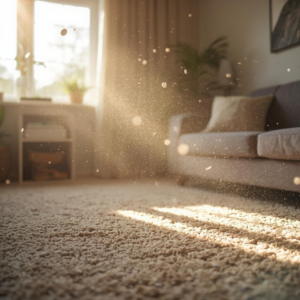
Let’s talk about something most of us don’t think about until our allergies flare up or the house feels stuffy. Your carpet and your air are connected. In fact, what’s in your carpet becomes what’s in your air, and what’s in your air settles right back into your carpet. It’s a cycle, and it happens in every home.
At Safe-Dry®, we spend our days in homes just like yours. We see what builds up in carpet over months and years, and we see the difference professional carpet cleaning makes for families who want to breathe easier. So today we’re going to pull back the rug, literally and figuratively, and talk about the real relationship between carpet and indoor air quality.
This isn’t about scaring you into ripping out your flooring. It’s about understanding how carpet works, what gets trapped in it, and how a smart cleaning plan keeps your home healthier. Because when your home feels fresh, your family feels better. And that’s what we’re here for.
First, let’s clear up a myth. Carpet itself isn’t dirty. In fact, several studies, including research referenced by the Carpet and Rug Institute, show that properly maintained carpet can actually improve indoor air quality compared to hard surfaces. Here’s why.
Every day, dust, pollen, pet dander, skin flakes, and microscopic particles float through your home. On hard floors, those particles stay loose. Every footstep, every door closing, every time the HVAC kicks on, they get stirred back up into the breathing zone. Carpet works differently. It traps those particles in the fiber and holds them until you remove them.
So in a clean home with a good vacuum routine and regular professional carpet cleaning, your carpet acts like a passive air filter. It grabs allergens and keeps them out of the air you breathe. That’s the good news.
However, filters only work if you empty them. When carpet gets full, two things happen. First, it stops trapping new particles, so more stays airborne. Second, foot traffic starts grinding the trapped soil deeper and breaking it into finer dust that releases back into the air. That’s when carpet shifts from helpful to harmful. And that’s why carpet cleaning services aren’t a luxury. They’re maintenance for your home’s biggest air filter.
You can’t see most of it, but it’s there. Let’s break down the main offenders that affect indoor air quality.
This is the fine grit that comes in on shoes, through open doors, and from everyday living. The EPA notes that particulate matter is a common indoor pollutant, and much of it settles into soft surfaces. In carpet, it sinks to the base of the pile where vacuums struggle to reach. Over time, it becomes abrasive and breaks down into even finer dust that gets kicked up easily.
Pet dander is light and sticky. It clings to fibers and becomes airborne with movement. Pollen comes in on clothes, hair, and through windows. Dust mites live in carpet because they feed on skin flakes, and their waste is a major allergen. The Asthma and Allergy Foundation of America lists these as top indoor triggers. Without deep cleaning services, allergen levels build month after month.
Cooking oils aerosolize and settle on surfaces. Skin oils transfer from feet and hands. Even products like candles and air fresheners release volatile organic compounds that bond to carpet fibers. These oils then attract and hold dirt, which means more particles in your home. Carpet deodorizing sprays only mask it. Removal requires hot water extraction.
Spills, humidity, and pet accidents introduce moisture. Where there’s moisture and organic material, bacteria and mold can grow. Even if you don’t see mold, spores can be present. When disturbed, they become airborne. This is why pet urine removal and emergency carpet cleaning after water leaks are about health, not just appearance.
Odor isn’t just a smell. It’s molecules in the air. Pet urine carpet cleaning is a perfect example. Uric acid crystals in the pad reactivate with humidity and release ammonia into your air. Carpet odor removal means removing the source, not covering it. That’s real odor elimination.
So your carpet is holding dust, allergens, oils, microbes, and odor compounds. When it’s full, your air quality drops. When it’s clean, your air gets better. Simple as that.
Many homeowners ask us if they should switch to hard floors for better air. It’s a fair question. Here’s the balanced truth.
With tile, wood, or laminate, dust and dander stay on the surface. That looks cleaner because you can see it, but it also means every step, every breeze from the AC, and every time your dog shakes sends those particles back into the air. You trade trapped allergens for airborne allergens. If you don’t dust mop daily and run HEPA air purifiers, hard floors can actually lead to more allergens in your breathing zone.
Carpet holds particles until you remove them. With a HEPA vacuum and professional carpet cleaning every 6 to 12 months, airborne allergen levels are often lower than with hard floors. Without maintenance, carpet becomes a reservoir that releases particles every time you walk.
It’s the cleaning plan. Best carpet cleaning on a schedule beats neglected hard floors. Well-maintained hard floors with daily damp mopping and air filtration beat dirty carpet. Choose the flooring you love, then commit to care. That’s the real dirty truth. It’s not about carpet versus wood. It’s about clean versus dirty.
You vacuum. You take shoes off. So why does carpet still affect air quality? Because soil builds up in layers and from sources you don’t notice.
The Carpet and Rug Institute estimates 80 percent of soil in carpet walks in from outside. Even with a no-shoes rule, it comes in on pets, on pants, and through the air. A good walk-off mat helps, but fine dust still makes it in.
Once cooking oil, skin oil, or lotions get into carpet, they act like glue. Dry soil sticks to them and doesn’t come up with vacuuming alone. That’s why traffic lanes look gray. It’s not just dirt. It’s dirt stuck to oil. Only hot water extraction from professional carpet cleaners breaks that bond.
In humid months or homes with poor ventilation, moisture in the air reactivates dried spills, pet urine crystals, and dust mite allergens. That’s why a home can smell fine in winter and musty in summer. Carpet cleaning services with proper extraction and fast dry times prevent wicking and reactivation.
Spills, pet accident cleaning, kids with crafts, and holiday guests all add to the load. You don’t have to be messy. Normal life adds soil. The question is how often you reset the filter.
Let’s walk through the cycle so you can see why carpet cleaning matters.
Pollen blows in. You walk in dust. The dog brings in dander. Cooking adds grease to the air. All normal.
Particles settle. Carpet fibers grab them and hold on. At this point, your air is actually cleaner because the particles aren’t floating.
Over weeks and months, the fiber space fills. Your vacuum gets the top layer, but the base loads up. Oils bind soil. Moisture activates microbes.
Every step acts like a pump. It crushes particles, breaks them finer, and pushes them up. Now they’re airborne again. You breathe them, they settle, and the cycle repeats.
You notice more dust on tables, more sneezing, stuffy rooms, and odors that linger. Your HVAC filter gets dirty faster because it’s catching what your carpet released.
Hot water extraction flushes the fiber from base to tip, removes oils, allergens, and bacteria, and leaves no residue. Your carpet is empty again and ready to filter. Airborne particles drop because the source was removed.
There’s no one-size answer, but there are clear guidelines based on health, not just appearance.
Professional carpet cleaning every 12 to 18 months. Vacuum high-traffic areas twice a week with a HEPA vacuum. This keeps the filter working and allergen levels low.
Every 6 months for one pet with no accidents. Every 3 to 4 months for multiple pets or if accidents happen. Pet dander, oils, and the potential for pet urine removal needs make frequency important. Cat urine removal and dog urine removal should happen fast because urine breaks down into ammonia that affects air quality.
Every 3 to 4 months. The goal is to keep allergen load low all the time. Pair this with HEPA vacuuming twice a week and a good air purifier. Many clients tell us this schedule reduces symptoms more than medication alone.
Every 6 to 9 months. Kids are on the floor, they touch everything, and they bring home school dust and playground dirt. Clean carpet means cleaner air at their breathing level.
Schedule emergency carpet cleaning or same day carpet cleaning. Water, germs, and construction dust all impact air quality. Fast extraction prevents mold and bacteria growth that would otherwise go airborne.
If you’re unsure, ask for a free carpet cleaning quote. We’ll look at your lifestyle and recommend a plan. Affordable carpet cleaning on a schedule is cheaper than dealing with health issues or replacing carpet early.
Professional carpet cleaning is the deep reset. Your weekly habits keep the air cleaner day to day. Here’s the exact routine we recommend.
HEPA means the vacuum traps 99.97 percent of particles down to 0.3 microns, including dander and dust mite waste. Go slow. Count to five with each pass. Fast passes only get surface dust. Slow passes pull from deeper. Vacuum high-traffic areas three times a week and the whole home once a week.
Place walk-off mats outside and inside every entry. A no-shoes policy cuts soil by more than half. Wipe pet paws after walks. These simple steps reduce the load your carpet has to filter.
Keep indoor humidity between 30 and 50 percent. Dust mites and mold thrive above 50 percent. Use your AC, run a dehumidifier if needed, and fix leaks fast. Lower humidity means fewer allergens and no reactivation of odors.
Blot liquids with white towels. Don’t rub. Use cool water to dilute, blot again, and follow with a small amount of clear dish soap and water if needed. Rinse by blotting with water. For pet stain removal, use an enzyme cleaner and blot. Never use heat or steam on protein stains. Fast action prevents stains and odors from becoming airborne later.
A dirty furnace filter means your system is blowing dust around. Check it monthly and replace every 2 to 3 months, or more often with pets. This supports your carpet by reducing what lands in it.
Sofas and chairs hold the same allergens as carpet. Upholstery cleaning every 12 to 18 months keeps them from shedding particles into the air. Area rug cleaning and oriental rug cleaning are important too, especially if pets sleep on them. Rugs can be taken to our facility for full washing, which is the best way to remove deep dander and dust.
Don’t wait for stains or smells. By the time you notice, air quality has already dropped. Set a reminder based on your household needs and book ahead. Ask about carpet cleaning specials and carpet cleaning deals to plan your budget.
Vacuuming is essential. But it has limits. Here’s what happens during certified carpet cleaning that changes your air.
Hot water and specialized pre-sprays emulsify oils from skin, cooking, and pets. Once emulsified, those oils release from the fiber and can be extracted. Vacuums can’t touch oil. Without this step, dirt keeps sticking and your carpet keeps releasing particles.
Hot water extraction rinses from the top of the fiber all the way to the backing. That removes fine dust, allergens, and bacteria that live below your vacuum’s reach. It’s like pressure washing a filter instead of just shaking it.
Powerful vacuum leaves carpet just damp, not wet. Dry times of 4 to 8 hours prevent wicking and mold growth. Household machines leave too much water, which can hurt air quality later.
Many DIY products leave soap. Soap attracts dirt. Professional carpet cleaners rinse thoroughly so there’s no residue. No residue means slower re-soiling and cleaner air longer.
The heat and extraction reduce bacteria and dust mites. Carpet deodorizing treatments neutralize odors at the source instead of covering them. That’s true odor elimination, and you can smell the difference.
You don’t need a lab test. Your home tells you. Watch for these signs.
If you dust and two days later it’s back, your carpet may be releasing particles. Walk across a sunny room and look for dust in the air. That’s a clue.
If you feel fine outside or at work but stuffy at home, indoor allergens are likely. Carpet, upholstery, and rugs are the main reservoirs. A full deep cleaning services visit often helps.
You get nose-blind, but guests notice. Odors are airborne molecules from your carpet. Carpet odor removal through extraction fixes it. Candles don’t.
If you’re changing filters every month and they’re gray, your carpet is shedding particles into the air and your system is catching them. Clean the source.
That dust came from somewhere. Often it’s settled from the air, which means it came from the floor first. Upholstery cleaning and carpet cleaning break the cycle.
Crawling babies and playing toddlers are right in the dust zone. They also touch carpet and then faces. Clean carpet means fewer germs, fewer allergens, and fewer worries. Many parents schedule carpet cleaning before a new baby arrives and every 6 months after. It’s one of the best ways to support a healthy nursery.
Flu, stomach bugs, and colds leave germs in carpet. While most viruses don’t live long on surfaces, bacteria can. A professional carpet cleaning with hot water extraction reduces the bio-load and helps everyone recover without reinfection. Same day carpet cleaning can be arranged when needed.
Drywall dust is ultra-fine and gets everywhere. It’s also a lung irritant. Even with plastic barriers, it settles into carpet. Schedule carpet cleaning services after work is done, not before. It’s the only way to get that fine dust out.
We know budget matters, so let’s talk carpet cleaning prices honestly. Cost depends on square footage, soil level, and whether you need add-ons like pet stain removal or carpet deodorizing.
Here’s the key. Affordable carpet cleaning on a schedule costs less than dealing with health issues, replacing carpet early, or running air purifiers 24/7 to compensate for dirty floors. Cheap carpet cleaning that leaves residue or over-wets causes rapid re-soiling, which means you pay again sooner. Best carpet cleaning uses the right chemistry, extraction, and dry times so your air stays clean longer.
Ask for a carpet cleaning estimate or free carpet cleaning quote. We’ll explain what your home needs and why. Look for carpet cleaning coupons and carpet cleaning specials if you’re planning multiple rooms. Many families find that twice-a-year cleaning is less than one monthly dinner out, and the health benefit is every single day.
Not all carpet cleaning is equal. If air quality is your goal, ask these questions.
Certified carpet cleaning means technicians understand fiber, chemistry, and proper extraction. Insured carpet cleaning protects your home. Both matter.
You want to hear pre-vacuum, pre-treatment, agitation, hot water extraction, and thorough rinse. If a company only “dry cleans” or uses high-residue shampoos, keep looking. Dry times should be 4 to 8 hours, not days.
Pet urine removal and urine odor removal require specific tools and enzymes. If they say “we’ll spray something,” that’s not enough. You want UV inspection and sub-surface capability.
Eco friendly carpet cleaning solutions with full rinse are best for homes with kids and pets. Ask what they use and why. You should feel good about the products in your air.
Top rated carpet cleaning companies stand behind odor elimination and stain removal service. If something wicks back, they should return. That’s the difference between a transaction and a service.
Many people notice the same day. Less dust in the air, no odors, and easier breathing are common within hours as the carpet dries. Full benefit over the next week as airborne particles settle and get vacuumed away.
If dust is disturbed without proper extraction, yes. That’s why you want hot water extraction with strong vacuum and fast dry times. Proper professional carpet cleaning reduces allergens immediately, it doesn’t stir them up.
Duct cleaning helps if your ducts are dirty, but start with the floor. Carpet holds more allergens than ducts. Clean the biggest reservoir first, then evaluate ducts. Often carpet cleaning services solve the problem.
It removes most and their waste, which is the allergen. No process gets 100 percent, but professional carpet cleaning plus low humidity keeps populations very low.
New carpet off-gasses VOCs for a short time, but then it’s fine. Old, dirty carpet is worse for air than new carpet. If your carpet is over 10 years old and never cleaned, replacement or deep cleaning both help.
Talk to your doctor, but many asthma patients do better with carpet that’s cleaned every 3 to 4 months. The key is removing triggers. Pair with HEPA vacuuming and air purifiers. Keep humidity low. Avoid cleaners with strong fragrances. We use low-odor, eco friendly options.
Yes. The process is safe. We ask that kids and pets stay off until dry to avoid slips and re-soiling. Open windows if weather allows to help ventilation.
With our equipment, 4 to 8 hours. Use clean socks or shoe covers if you need to walk on it sooner. Keep pets off until dry.
Often, yes. Call early. Emergency carpet cleaning for spills or odor issues can usually be arranged. We’ll be honest about dry times so you can plan.
If you found us searching carpet cleaners near you or carpet cleaner near you, reach out. We service local neighborhoods and surrounding communities. A quick call confirms, and we can provide a free carpet cleaning quote while we’re at it.
That smell is often a mix of dust, oils, and maybe old pet or smoke residue in soft surfaces. Whole-home carpet cleaning, upholstery cleaning, and area rug cleaning usually solves it. If it persists, we check for other sources. But carpet is the biggest one.
Here’s the dirty truth, and the clean solution. Your carpet isn’t the enemy of good air. Dirty carpet is. Clean carpet is actually your ally, trapping particles so you don’t breathe them. The difference is maintenance.
You don’t need to obsess or replace your flooring. You just need a plan. Vacuum well, control what comes in, handle spills fast, and schedule professional carpet cleaning before your air tells you it’s overdue. For most families, that’s every 6 to 12 months. For pet homes or allergies, every 3 to 6 months. Simple.
At Safe-Dry®, we’re here to make that easy. We’re a family-first team that treats your home like our own. We use certified carpet cleaning methods, eco friendly products, and clear communication. Whether you need targeted pet stain and odor removal, whole-home carpet cleaning services, upholstery cleaning, or area rug cleaning, we’ve got you.
You deserve a home that looks clean, smells fresh, and feels healthy. Your air should be easy to breathe, not something you fight. So let’s reset your home’s biggest filter and get your air back on your side.
Connect with Safe-Dry® today for a free carpet cleaning quote, ask about current carpet cleaning deals, or schedule service at a time that works for you. Clean carpet, clean air, happy home. Let’s make it happen together.