100% Satisfaction or It's FREE!
100% Satisfaction or It's FREE!

Let’s be honest. Your carpet looks fine. You vacuum, you pick up the toys, and you even spot clean when the kids spill juice. From five feet away, it probably looks clean. But carpet is sneaky. It’s designed to hide soil, and it does that job really well. The problem is that what you can’t see can still affect how your home feels, smells, and even how your family breathes.
At Safe-Dry®, we’re in homes every day, and we see what’s really going on under the surface. We’re parents, pet owners, and neighbors too, so we know you want straight talk, not scare tactics. The truth is, carpet isn’t dirty because you’re doing something wrong. It’s dirty because life happens. Shoes, pets, kids, cooking, and just plain air all leave things behind.
So today we’re pulling back the rug, literally, and sharing the top seven dirty secrets your carpet is hiding. More important, we’ll show you what to do about them. Because a clean home isn’t about perfection. It’s about knowing what’s there and having a plan. And that’s where professional carpet cleaning makes all the difference.
Here’s the first surprise. The Carpet and Rug Institute estimates that carpet can hide up to a pound of dirt per square foot before it looks dirty. Think about that. In a 12x15 bedroom, that’s 180 pounds of soil sitting in the fibers. You don’t see it because carpet is made to trap and hold particles in the base of the pile.
Where does it come from? About 80 percent walks in on shoes and paws. The rest comes from airborne dust, skin flakes, pet dander, and fibers from clothing. Every step grinds those particles deeper. Over time, that grit acts like sandpaper under your feet. It cuts fibers, dulls color, and creates those gray traffic lanes you see in hallways.
Vacuuming helps, and you should do it twice a week with a HEPA vacuum. But vacuums only get the top third of the pile. The rest stays put until you use hot water extraction. That’s why carpet cleaning services aren’t just for stains. They’re for removing the abrasive soil that wears out carpet early. When we clean, the water in our tanks goes from clear to brown to black. That’s the pound of dirt leaving your home.
You can’t see them, but dust mites are in almost every home. They’re microscopic and they feed on the skin flakes we all shed. One person sheds enough in a day to feed thousands of mites. Add pets, and it’s a buffet.
Carpet gives them three things they need. Food in the form of skin and dander, moisture from humidity in the air, and protection from light. They don’t bite, but their waste and body fragments are a major allergen. The Asthma and Allergy Foundation of America lists dust mite allergens as a top indoor trigger for asthma and allergies.
When you walk across the room or when kids play on the floor, those particles become airborne. That’s when noses run and eyes itch. The key to control isn’t chemicals. It’s removal and moisture control. Professional carpet cleaning flushes out the waste and dander. Keeping indoor humidity between 30 and 50 percent makes it hard for mites to survive. Combine those two and you cut the population dramatically. That’s how carpet cleaning improves indoor air quality.
You blotted the juice. You used a pet odor eliminator on the accident. The spot went away. But did the problem really leave? Often, no.
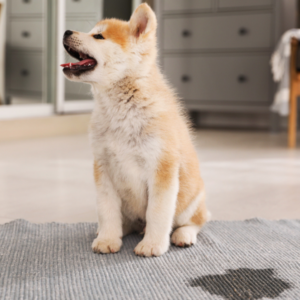
Liquids go down. Carpet backing and pad act like a sponge. Surface cleaning only gets the top. As the carpet dries, moisture wicks upward and brings some of the spill with it. That’s why you clean a spot and a week later a ring appears. It’s called wicking.
Pet urine is the best example. Urine is acidic and sinks fast. As it dries, it leaves behind uric acid crystals in the pad. Those crystals don’t dissolve with water alone. When humidity rises, they reactivate and release odor. That’s why you smell it on rainy days. Pet urine removal and urine odor removal require enzymes and extraction that reach the pad. Cat urine removal is even tougher because it’s more concentrated. Dog urine removal in large areas may need sub-surface treatment.
If you’ve tried everything and the smell comes back, it’s still in there. Professional carpet cleaners use UV light and moisture meters to find it, then treat and extract it. That’s real odor elimination, not masking. And it’s why carpet cleaning is about health, not just looks.
Have you ever vacuumed and the gray traffic lane still looks gray? That’s usually oil. Skin oil from feet, cooking oil that aerosols and settles, lotion, and oils from pet coats all transfer to carpet. Oil is sticky. Once it’s on the fiber, dry soil sticks to it and won’t vacuum up.
Over time, that oily soil builds up and acts like glue. Every step grinds it in deeper. It also attracts more dirt, so the area gets darker faster. This is why some homes look dirty a week after vacuuming. It’s not that you’re messy. It’s that oil is holding soil.
Hot water extraction breaks the bond between oil and fiber. Our pre-sprays emulsify oils so they release, then the rinse pulls them out. No rinse means the oil stays. That’s why cheap carpet cleaning with high-residue soap makes things worse. Best carpet cleaning uses low-residue products and thorough rinse. After a good cleaning, vacuuming becomes effective again because the glue is gone.
This one surprises people. Carpet and air quality are connected. When carpet is clean, it acts like a giant filter. It traps dust, dander, and pollen and holds them until you remove them. That keeps them out of the air you breathe. The EPA notes that source removal is key to indoor air, and carpet is a big source when dirty.
When carpet is full, two things happen. First, it stops trapping new particles, so more stays airborne. Second, foot traffic crushes trapped particles into finer dust that releases with every step. You might notice more dust on tables, more sneezing, or a stuffy feeling in rooms with carpet. Your HVAC filter gets dirty faster because it’s catching what your carpet released.
Professional carpet cleaning resets the filter. By removing the load of allergens and dust, your carpet can trap new particles again. Many families tell us they sleep better and dust less after a cleaning. That’s not a coincidence. It’s cleaner air. Add upholstery cleaning and area rug cleaning to the plan and you’ve covered the biggest soft surfaces in your home.
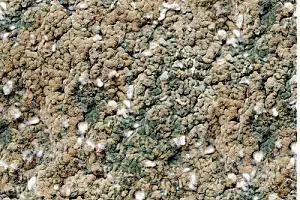
Anywhere there’s moisture and organic material, microbes can grow. Spills, leaks, pet accidents, and high humidity create those conditions in carpet. You won’t see mold under the surface, but spores can be present. When disturbed, they become airborne.
We’re not saying every home has a mold problem. But if carpet was wet for more than 24 to 48 hours, growth can start. The IICRC S500 Standard says that’s the window. Musty odor, allergy symptoms, or a history of water damage are clues.
The fix is moisture control and removal. Fast extraction after a leak prevents growth. If growth is suspected, professional carpet cleaning with antimicrobial treatment and rapid drying is critical. Household steam cleaners add moisture without enough extraction, which can make it worse. For water damage, call for emergency carpet cleaning or same day carpet cleaning. Speed matters more than anything.
Also, remember that dead mold and bacteria can still cause reactions. You have to physically remove them. That’s why deep cleaning services with hot water extraction are recommended by the CDC and EPA for restoring water-damaged soft surfaces when possible.
You tried to help. You rented a machine or bought a bottle of something. Now the carpet looks worse. We see this every week, and it’s not your fault. Here’s why it happens.
Most rental machines don’t extract well. They put down water and soap but leave 60 to 80 percent behind. That water and soap stay in the carpet. As it dries, the soap attracts dirt. That’s re-soiling. The area looks gray or crunchy in days. It’s also how wicking starts, because slow drying pulls soil up from the pad.
Store products are often high-pH or have optical brighteners. They can set stains, leave residue, or cause color loss. Plus, using heat on a protein stain like milk or pet mess can cook it into the fiber. Aggressive scrubbing on berber or loop pile can fuzz the fiber, which reflects light and looks dirty even when clean.
Professional carpet cleaning uses high-powered extraction, low-residue chemistry, and the right process for your fiber. We rinse thoroughly so nothing is left to attract dirt. We dry in 4 to 8 hours so wicking and mold don’t start. That’s the difference between cleaning and just getting it wet. If your DIY attempt went sideways, a carpet cleaner near you can usually fix it in one visit.
You don’t need to live with these secrets. Here’s a simple plan that works for real families.
Do a white towel test. Dampen a white cloth with hot water and press it on a traffic area for 30 seconds. If it comes up gray or brown, you have soil load. If it smells musty, you may have organic growth. Glowing spots indicate urine salts. This takes five minutes and tells you if it’s time to book carpet cleaning services.
Use a vacuum with a sealed HEPA system. Go slow. Count to five for each pass in high-traffic areas. Do it twice a week. Empty the canister outside. This pulls out dry soil before it gets ground in. It’s the best thing you can do between professional visits.
Buy a $15 hygrometer and keep indoor humidity between 30 and 50 percent. Run your AC, use bath fans, and consider a dehumidifier in basements. Dust mites and mold can’t thrive in dry air. This one step reduces allergens more than any spray.
Blot liquids with white towels. Don’t rub. Use cool water to dilute, blot again, and use a small amount of clear dish soap and water if needed. Rinse by blotting with water. For pet stain and odor removal, use an enzyme cleaner and blot. Never use heat or steam on urine or milk. Fast action keeps spills from reaching the pad.
For most homes, every 12 to 18 months is good. For homes with pets, kids, or allergies, every 6 to 9 months is better. With asthma, every 3 to 4 months is ideal. Ask for a free carpet cleaning quote and mention any concerns like pet stain removal or carpet odor removal. A good company will tailor the service.
Sofas hold dander and oils. Area rugs in entryways collect pollen and dirt. Upholstery cleaning every 12 to 18 months and area rug cleaning every 1 to 2 years keep your whole home’s allergen load down. Oriental rug cleaning should be done by pros due to dyes and fibers.
Keep shoes off, use walk-off mats, and vacuum regularly, furniture on blocks for 24 hours after cleaning. Keep pets and kids off until dry. These habits make your professional carpet cleaning last longer.
Here are a few things we’ve learned from thousands of homes that make a big difference.
Tip one: Keep a spill kit. White towels, a bottle of water, and a small bottle of enzyme cleaner in a caddy. When accidents happen, you’re ready and you don’t reach for the wrong product.
Tip two: Replace your vacuum filter and bag often. A full bag kills suction. No suction means you’re just moving dirt around. Mark your calendar to check it monthly.
Tip three: Run your air purifier on high for 24 hours after cleaning. It catches particles stirred up during the process. Then return to normal. This helps allergy-sensitive homes.
Tip four: If you have a crawl space, check it after rain. Moisture below can wick into carpet and pad. A dehumidifier in the crawl space protects the floors above.
Tip five: Rotate area rugs and furniture a few inches every 6 months. This evens out wear and UV exposure so you don’t get permanent traffic patterns.
Tip six: Ask about carpet protectant after cleaning. It gives you more time to blot spills before they set. It doesn’t make carpet stain-proof, but it helps, especially with kids and pets.
If you feel better when you leave home for 48 hours and worse when you return, indoor allergens are likely. Another test is to have one room professionally cleaned and see if symptoms improve there. If yes, your carpet was part of the problem.
No process removes 100 percent, but professional carpet cleaning removes the majority of dust mite waste, dander, pollen, and mold spores. Combined with low humidity and HEPA vacuuming, levels drop enough that most people feel relief.
If dust is stirred up without proper extraction, yes. That’s why we use HEPA vacuums and powerful extraction. With the right process, symptoms should improve, not worsen. If you’re very sensitive, leave during cleaning and return when dry.
With proper extraction and air movers, 4 to 8 hours is normal. Humidity and airflow affect it. We’ll give you a time frame before we leave. Fast dry times prevent wicking and mold.
That’s usually wicking or residue. The smell is from the pad or from soap. Stop using product, let it dry, and call for professional carpet cleaning. We’ll rinse and extract the cause. Most odors are fixable in one visit.
Not necessarily. Age matters less than condition. If the backing is solid and the pile isn’t worn through, cleaning can make a huge difference. If it’s been wet for days or has mold, we’ll tell you honestly. Get a carpet cleaning estimate before you replace. You might save thousands.
Yes. It’s the process that matters most. Eco friendly carpet cleaning uses effective, low-residue products and relies on heat, agitation, and extraction. The result is clean without harsh chemicals. We use them in our own homes.
They hold the same secrets. Area rug cleaning and oriental rug cleaning at a facility allow full submersion and drying. Upholstery cleaning removes dander and oils from couches. Clean all soft surfaces for best air quality.
Carpet cleaning cost depends on square footage and condition. A standard room is less than most people expect. If you need pet urine removal or sub-surface work, it’s more. Ask for carpet cleaning prices up front. Look for carpet cleaning specials or carpet cleaning coupons for whole-home service. Affordable carpet cleaning is about value, and health is part of that value.
Sprays may kill mites but they don’t remove the waste, which is the allergen. You still have to extract it. Sprays also add residue. Clean first, then consider preventatives. Cleaning is the main event.
We try to. Same day carpet cleaning and emergency carpet cleaning are available when schedule allows. Call early. If we can’t get there same day, we’ll give you steps to reduce allergens until we can.
The opposite. Most warranties require professional carpet cleaning every 12 to 24 months by an IICRC-certified firm. DIY or neglect can void it. Keep your receipts. An insured carpet cleaning company keeps you compliant.
Your carpet isn’t the enemy. It’s a filter that’s been doing its job. The secrets it’s hiding aren’t your fault. They’re just what happens when life, kids, pets, and air all share a home. And the best part is that you can do something about it.
A good vacuum routine, humidity control, and quick spill response handle the day to day. Professional carpet cleaning handles the deep stuff that vacuums can’t touch. Together, they keep your home fresh, your air cleaner, and your carpet lasting years longer.
At Safe-Dry®, we built our carpet cleaning service around families. That means certified carpet cleaning technicians, eco friendly products, clear communication, and no surprises. Whether you need routine carpet cleaning services, targeted pet stain and odor removal, upholstery cleaning, or area rug cleaning, we’re here to help. We’ll show up on time, explain what we’re doing, and leave you with carpet that looks good and feels healthy.
If your home feels stuffy, if allergies act up inside, or if you just want to know what’s really in your carpet, let’s find out together. Reach out for a free carpet cleaning quote, ask about current carpet cleaning deals, or book your carpet cleaning service today. We’ll make the secrets go away and give you back a home that feels clean.
Connect with Safe-Dry® now. Clean carpet, clear air, calm home. That’s what we do, every day, for families just like yours.