100% Satisfaction or It's FREE!
100% Satisfaction or It's FREE!
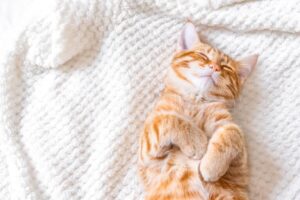
A home can look neat on the surface and still hold onto a strong cat odor that is hard to ignore. Many homeowners deal with this problem even when they vacuum often, wash pet bedding, and keep up with daily chores. Cat smell has a way of settling deep into soft surfaces, hiding in carpet, rugs, upholstery, and even the padding underneath the floor. Once that happens, the odor may linger long after the original mess seems gone.
This is one reason Pet Odor & Stain Cleaning matters so much for families who want a cleaner and healthier home. Surface cleaning can help for a day or two, but deep odor usually needs a more complete approach. If you have been trying to figure out how to get cat smell out of house spaces without simply covering it up, the key is finding the source, treating it correctly, and stopping it from returning. Safe-Dry® is known for using a low-moisture, soap-free process designed to clean carpets, rugs, and upholstery without harsh chemicals, while also helping homes dry quickly and stay residue-free.
Cat odor is different from the everyday smells that come from cooking, shoes, or a closed-up room. It tends to be sharper, more stubborn, and more likely to return if it is not treated fully. In many homes, the smell comes from litter box use, fur, body oils, old accidents, tracked debris, and urine that has soaked below the carpet fibers. The longer the problem sits, the more difficult it can become to remove completely.
Cat urine is usually the biggest issue. When it dries, it does not always disappear. Instead, it can leave behind odor-causing residue that stays deep in the carpet or floor. In humid conditions, that smell can become even stronger. Some homeowners notice that a room smells worse after the windows have been closed all day or when the weather changes. That happens because old residue can reactivate and release odor again.
This is also why regular air fresheners often disappoint people. They may cover the smell for a short time, but they do not solve the source of the problem. True pet odor removal usually requires more than a scented spray and a quick scrub. It takes careful cleaning and, in some cases, professional carpet cleaning or upholstery cleaning to deal with what is trapped underneath the surface.
One of the most frustrating parts of this problem is that cat smell is not always obvious at first. Sometimes a house smells fine when the windows are open, but once everything is closed up, the odor returns. That usually means the smell is living inside materials rather than floating in the air alone.
Carpet is one of the most common trouble spots. Soft fibers hold moisture and residue easily, which makes carpet stain removal and carpet odor removal more important than many people realize. Area rugs can also trap odors in their backing, especially if accidents happened more than once. Oriental rug cleaning may be needed for delicate rugs that require a gentler approach. Upholstered furniture can hold smells too, especially if your cat naps on the couch, sprays near furniture, or has had an accident on a cushion. Curtains, pet beds, closets, laundry baskets, and corners near litter boxes can all play a role.
Sometimes the source is not even visible. A hidden urine spot under a bed or behind a chair can keep the whole room smelling unpleasant. This is why homeowners often feel confused after cleaning everything they can see. The real issue may be soaking deeper than expected.
The smell from a litter box is usually more general and easy to notice near the box itself. If that odor gets stronger shortly after scooping, there may be an issue with the litter, the box condition, or the cleaning routine. On the other hand, if you notice a strong smell in one room, one hallway, or one exact area of carpet, there may be a hidden pet accident.
Cat urine often has a more concentrated smell. It can seem sharp, sour, or heavy, especially in warm or humid conditions. If your cat has sprayed walls or furniture, the smell may seem to hang at nose level instead of only near the floor. If you are unsure where the odor is coming from, a slow walkthrough of the house can help. Trust your nose, especially near corners, under furniture, and around rugs.
When the smell has been there for a while, pet urine carpet cleaning is often one of the most effective next steps. It targets more than the visible mark and helps with urine odor removal that keeps coming back.
Before doing any heavy cleaning, open the home up as much as possible. Fresh airflow helps reduce stale odor and makes it easier to tell where the strongest smell is coming from. Open windows when weather allows, turn on ceiling fans, and use exhaust fans in nearby rooms. This does not remove the root problem, but it does make the rest of the process more manageable.
Ventilation also helps after cleaning. If you wash pet bedding, wipe down litter box areas, or clean upholstery, moving air helps those areas dry faster and stay fresher. Homes that stay damp tend to hold odor longer, which is one reason low-moisture carpet cleaning services are appealing to many families.
A lot of odor problems start or grow around the litter box. Even if the litter box is not the only cause, it often adds to the overall smell in the house. Scooping daily makes a big difference, but the surrounding area matters too. Small bits of litter, dust, and tracked waste can collect around the box and create a lingering odor even after the inside looks clean.
Start by emptying the box fully and washing it with warm water and a gentle cleaner. Let it dry completely before adding fresh litter. Wipe the floor around it, clean nearby baseboards, and wash any mat that sits underneath. If the box is old and scratched, replacing it may help. Odor can settle into worn plastic over time, making it harder to keep fresh.
It also helps to think about placement. A litter box in a small, closed room may trap odor more than one in a ventilated area. The goal is not just masking the smell. It is reducing the buildup that keeps spreading into the rest of the home.
Not all cat odor comes from accidents. Sometimes the home smells like cat simply because fur, oils, and dander have built up over time. Pet blankets, bed covers, throw pillows, and fabric slipcovers can all absorb those everyday smells.
Wash washable items regularly using a gentle detergent. Let them dry fully before placing them back in the room. If your cat sleeps on the couch or a favorite chair, vacuum the area thoroughly and clean the upholstery as needed. Upholstery cleaning can help remove odors and buildup that standard vacuuming leaves behind. This is especially useful in homes where pets spend a lot of time indoors.
Rug cleaning also matters here. Even without a major accident, rugs can hold onto odor from repeated contact with paws, fur, and tracked litter. Area rug cleaning is a smart part of the overall plan when a room keeps smelling stale despite normal cleaning.
Some pet messes dry invisibly, which makes them difficult to find during the day. A blacklight can help reveal hidden urine spots, especially in darker rooms. This can save time and frustration because you can focus on the actual source instead of guessing.
Once you find a spot, resist the urge to scrub aggressively. Rubbing too hard can push residue deeper into the fibers and spread the stain. Blotting and proper treatment usually work better. If multiple old stains show up, the room may need professional carpet cleaning rather than repeated spot treatment.
This is one reason homeowners search for carpet cleaner near you or carpet cleaners near you when home efforts stop working. If odor has spread to more than one room or has been present for a long time, a deeper service may be the most practical option.
Fresh accidents are easier to handle than old ones, so fast action matters. Begin by blotting the area with clean towels or paper towels. Press firmly to absorb as much moisture as possible without rubbing. Once the spot is as dry as you can get it, clean it with a pet-safe solution designed for pet stain removal and odor elimination.
Avoid soaking the area too heavily. Too much liquid can push the mess deeper into the carpet pad. After treating the spot, blot again and allow the area to dry thoroughly. If the smell remains after drying, there may still be residue below the carpet surface. In that case, pet stain and odor removal may require a deeper method than household products can provide.
Fresh accidents are also a good time to assess the bigger picture. If this has happened more than once, it is worth checking nearby areas too. Cats sometimes return to spots that were not fully cleaned the first time.
Old cat urine can be much harder to remove because it has had time to settle deep into fibers, padding, or even the subfloor. A room with old odor may smell worse in the afternoon heat or after the air conditioner cycles off. At that stage, deodorizing sprays usually fall short.
The best approach is a deeper one. Start by locating the most affected areas and cleaning as thoroughly as possible without over-wetting the carpet. If the smell still returns, professional carpet cleaning service is often the next logical step. A trained carpet cleaner can assess whether the odor is sitting only in the upper fibers or if it has gone deeper.
Safe-Dry® emphasizes a low-moisture process that helps clean carpets, rugs, and upholstery while using less water than traditional steam cleaning. The company also describes its method as hypoallergenic, soap-free, and quick drying, which many families appreciate when they want a fresh home without long dry times.
A common mistake is trying to solve the problem with room sprays, candles, or heavy fragrances. Those products can make a room smell nicer for a short time, but they do not truly remove pet odor from carpet or furniture. In some cases, they even make the room feel heavier because you are smelling fragrance and pet odor together.
Real odor elimination comes from cleaning the source. That could mean litter box maintenance, washing fabric items, treating stains properly, or scheduling carpet cleaning services to deal with deeper contamination. Homeowners often feel relieved once they stop chasing the smell with temporary fixes and start addressing the actual cause.
If your home smells fine in some rooms but not in others, the issue is often local. If the whole home smells stale and pet-heavy, carpet may be playing a bigger role than you think. Carpet covers a large surface area, and once it starts holding odor, the room can feel constantly unclean even when everything looks tidy.
Professional carpet cleaning can help lift dirt, oils, pet residue, and odor-causing buildup from the fibers. It can also support carpet deodorizing in a more effective way than household cleaners. Many homeowners choose certified carpet cleaning when they want a deeper result without guesswork.
This matters even more in homes with children, guests, or multiple pets. A fresh-looking room should also smell clean. If not, the flooring may need more than ordinary vacuuming.
Sometimes carpet gets all the attention while the real odor source is a nearby chair, sofa, or rug. Cats often choose soft surfaces because they feel safe and familiar. A single accident on a couch cushion can keep a whole room smelling unpleasant. The same goes for rugs near litter boxes or favorite sleeping areas.
Upholstery cleaning can help remove built-up fur, oils, and hidden odor. Rug cleaning is also important, especially for decorative pieces that are not cleaned often. Delicate fibers may require area rug cleaning or oriental rug cleaning instead of a standard approach. Taking care of these soft surfaces makes the whole house feel cleaner, not just the floor.
The best results usually come from a simple but thorough process. Start by airing out the home so you can better identify where the smell is strongest. Clean the litter box and surrounding area completely. Wash all pet bedding, blankets, and removable soft items. Vacuum carpets, rugs, and upholstery carefully, paying extra attention to corners and under furniture. Use a blacklight if you suspect hidden accidents. Treat fresh spots promptly and carefully. Recheck older odor areas that seem to worsen in humidity or closed rooms.
After that, step back and assess. If the house still smells like cat, you may be dealing with deeper contamination inside carpet, rugs, or upholstered furniture. That is when professional carpet cleaners or a stain removal service may be the best move. A carpet cleaning estimate or free carpet cleaning quote can help you understand the next step without pressure.
Once the smell improves, maintenance matters. Scoop the litter box daily and wash it regularly. Vacuum more often in rooms where your cat spends the most time. Clean accidents immediately instead of waiting until later. Wash pet bedding on a routine schedule. Keep food and water areas clean so general pet smell does not build up. Rotate and clean rugs as needed. Use washable mats near litter boxes to reduce tracked debris.
These habits may seem small, but together they can prevent odor from becoming a bigger issue. A house that smells fresh usually stays that way because of consistency, not one big cleaning day.
There comes a point when home cleaning starts feeling repetitive and frustrating. If you have treated the same room several times and the odor keeps returning, deeper help may be needed. The same is true if multiple rooms smell affected, if the odor is strongest during humid weather, or if visible stains are no longer the only problem.
Professional carpet cleaning services can be especially helpful when pet accidents have reached beyond the surface. Pet accident cleaning often requires more than general cleaning because the goal is not just appearance. It is odor removal, stain removal, and a more comfortable indoor environment. Some homeowners also need same day carpet cleaning or emergency carpet cleaning when company is coming or when a recent accident has spread quickly.
If budget is part of the concern, many people start by checking carpet cleaning prices, carpet cleaning cost, or local carpet cleaning deals. Searching for affordable carpet cleaning, cheap carpet cleaning, or carpet cleaning coupons is common, but value matters too. The best carpet cleaning is not just about the lowest number. It is about getting the odor handled correctly the first time.
When comparing providers, look beyond the ad alone. Ask whether they offer pet urine removal, carpet odor removal, and stain removal service for pet-related issues. Check whether they clean upholstery and rugs too, since odor often spreads across surfaces. Many homeowners also prefer insured carpet cleaning and certified carpet cleaning because it adds peace of mind.
Safe-Dry® positions its cleaning around healthier homes, quick drying, and a soap-free approach. The company states that its technicians are trained, uniformed, and focused on leaving carpets, rugs, and upholstery cleaner, drier, and residue-free. For families looking for eco friendly carpet cleaning with a family-centered approach, those details can matter.
Families do not just want odor gone. They want the home to feel comfortable, manageable, and safe again. That is especially true when children spend time on the floor or when someone in the household is sensitive to heavy fragrances and harsh cleaning products. A healthier cleaning approach can make the process feel less stressful.
Safe-Dry® describes its mission around safe, hypoallergenic, and soap-free cleaning solutions for carpet, rug, and upholstery cleaning. The company also highlights quick drying and residue-free results, which can be appealing when homeowners want a practical solution that fits daily life.
The litter box may be only part of the issue. Odor can also live in carpet, rugs, upholstery, curtains, pet bedding, and hidden urine spots. If the smell remains after litter box cleaning, deeper pet odor removal may be needed.
Yes, carpet cleaning can help a lot when odor is trapped in carpet fibers. In many cases, professional carpet cleaning is more effective than home products because it targets deeper buildup and supports carpet deodorizing.
The best method depends on whether the stain is fresh or old. Fresh spots should be blotted and treated quickly. Older smells often need pet urine carpet cleaning or professional carpet cleaners for deeper odor elimination.
Air fresheners can cover the odor briefly, but they do not remove the source. Real odor elimination usually requires cleaning the affected surfaces thoroughly.
Sometimes yes. Cats spend time on couches, chairs, and fabric cushions, so upholstery cleaning may be an important part of getting the whole room fresh again.
Yes, it can. Old residue may reactivate when humidity rises, which is why some homes smell worse on warm or damp days.
If odor keeps returning, if multiple areas are affected, or if home cleaning has stopped helping, it is a good time to request a carpet cleaning estimate or free carpet cleaning quote from a professional team.
Living with a lingering cat smell can make even a tidy home feel frustrating. It affects comfort, confidence, and the way a room feels day to day. The good news is that the problem can often be improved with the right mix of quick action, careful cleaning, and deeper treatment where needed. Whether the issue comes from a litter box area, hidden urine spots, soft furniture, or odor trapped deep in carpet, a complete plan can help your home feel clean again.
If home efforts are not enough, Safe-Dry® offers a path that fits families looking for a healthier, low-moisture cleaning approach. From Pet Odor & Stain Cleaning to carpet cleaning services, upholstery cleaning, and rug cleaning, the goal is to help homeowners enjoy fresher spaces without the hassle of heavy residue or long dry times. If you are ready to stop chasing the smell and start solving it, this may be the right time to request a quote, schedule service, or connect with a Safe-Dry® team near you.