100% Satisfaction or It's FREE!
100% Satisfaction or It's FREE!
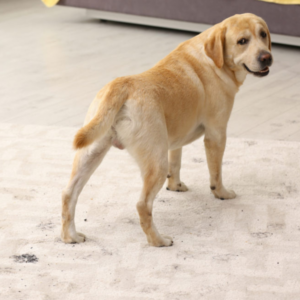
You open the door and there it is. A perfect trail of muddy paw prints leading from the back door to the couch. Your dog is thrilled. Your carpet is not. And you’re standing there wondering if you should tackle it right now or wait until it dries. We’ve been there. At Safe-Dry®, most of us have pets, and we know that muddy paws are just part of life with a family and a yard.
The good news is that muddy paw prints are one of the most fixable problems we see. They look dramatic, but they’re mostly soil and water. The trick is knowing what to do first, what not to do, and when to call for professional carpet cleaning. Get it right and the prints disappear. Get it wrong and you can smear the mud, push it deeper, or leave residue that attracts dirt for weeks.
So let’s walk through it together. We’ll cover why mud does what it does, the exact steps to remove it, how to prevent it, and when a carpet cleaner near you is the smarter choice. Because your home should be clean and healthy, not a crime scene of paw prints every time it rains.
First, it helps to know what you’re dealing with. Mud isn’t just dirt. It’s soil mixed with water. That water acts like a carrier. When your dog runs across the lawn, the pads pick up wet soil. Inside, that moisture transfers to your carpet fiber. As it dries, the soil stays behind.
Second, carpet is designed to hide soil. The fibers trap particles in the base of the pile so your home doesn’t look dirty all the time. That’s great for dust. It’s not great for wet mud. The water carries the soil down, then wicks back up as it dries. That’s why a print can look bigger after it dries than it did when it was wet. It’s also why scrubbing makes it worse. You’re grinding wet soil into the fiber and pushing it deeper.
Third, paws add oil. Your dog’s pads secrete a little oil, and if they walked through anything greasy outside, that transfers too. Oil is sticky. Once it’s on the fiber, dry soil clings to it. That’s why some prints turn into gray shadows even after you clean them. You removed the mud but not the oil, so new dirt sticks there.
Finally, urgency works against you. You see the prints and want them gone now. So you grab a wet towel and start rubbing. Wet plus rubbing equals spreading. That’s the number one mistake we see, and it’s completely understandable. You’re trying to help. The fix is to slow down and use the right steps. That’s where carpet cleaning done correctly makes all the difference.
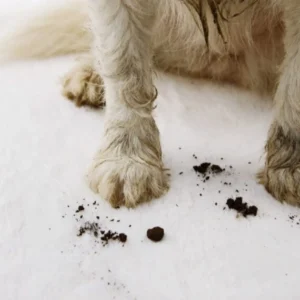
This sounds backward, but it’s the most important tip you’ll read. For mud, dry is your friend. Wet is your enemy.
When mud is wet, it’s a liquid. Liquids spread. If you touch it, you push it deeper into the pile and wider across the surface. You turn one paw print into a smear. If you add more water or cleaner, you make a bigger mud puddle. That’s how a few cute prints become a large brown area.
When mud dries, it becomes a solid. Solids can be vacuumed. You can remove 80 to 90 percent of the problem without a drop of water. That’s why professional carpet cleaners will tell you to let it dry if you call in a panic. It’s not delay. It’s strategy.
So the first step for muddy paw prints is to do nothing for a bit. Keep pets and kids off the area. Put a towel over it if you must, but don’t press. Turn on a fan to speed drying. Once it’s dry and crumbly, you’ve won half the battle. From there, carpet cleaning is simple and safe.
Let’s assume the mud has dried. You have flaky, dry soil on the carpet. Here’s exactly what to do. This works for most synthetic carpets and many wool blends. If you have silk, viscose, or an antique rug, skip to the professional carpet cleaning section.
Use a vacuum with good suction and a beater bar if your carpet allows it. Start on the outside of the prints and work in. Go slow. Count to five for each pass. Do it from two directions. The goal is to pull up as much dry soil as possible before adding any moisture. You’ll see the prints lighten dramatically. For many homeowners, this is 80 percent of the job. If you have a HEPA vacuum, even better. It traps the fine dust so it doesn’t become airborne.
If some mud is stuck to fibers, use a dull spoon or a credit card edge to gently break it up. Don’t scrape hard. You’re not trying to dig. You’re just releasing the crust so the vacuum can get it. Vacuum again. Be patient. Rushing this step is how soil gets left behind.
Look closely. If the area still looks shadowy or feels a little stiff, there’s residue or oil. That’s normal. The dry soil is gone, but the carrier is still there. Now you move to wet cleaning, but with control.
Mix a solution of one teaspoon of clear, non-bleach dish soap in a cup of cool water. Dip a white towel in it, wring it out, and blot the area. Don’t pour. Don’t saturate. You’re dampening the fiber, not soaking the pad. Work from the outside in so you don’t spread it. You’ll see color transfer to the towel. That’s good. It means you’re lifting what’s left.
This is the step most people skip. Use a new towel with plain water and blot again. You’re removing soap. Soap left behind attracts dirt, and in two weeks you’ll have a gray spot where the paw prints were. That’s re-soiling, and it’s the top complaint after DIY. Rinse until the towel comes up clean.
Place a folded white towel over the area and step on it to transfer moisture. Replace with a dry towel and repeat. Then set a fan to blow across the area. Run your AC or dehumidifier. You want it dry in a few hours. Slow drying causes wicking, where soil from the backing comes up. Fast drying keeps your carpet cleaning results clean.
Once 100 percent dry, vacuum once more. This lifts the pile and removes any last particles. If the prints are gone and the carpet feels soft, you’re done. If there’s still a shadow, it may be oil or clay soil. That’s when you consider a second pass or a call to a carpet cleaner.
This process works for most muddy paw prints. It’s safe, it’s low moisture, and it follows the same principles professional carpet cleaning uses: dry soil removal first, controlled wet cleaning second, thorough rinse third, and fast dry fourth.
Sometimes you didn’t get the memo. You saw wet prints and wiped them. Now you have a brown smear instead of distinct paw shapes. Don’t panic. You can still fix it, but the approach changes a little.
Stop adding moisture. Let the smear dry completely. It might look worse for a day. That’s okay. We need it to be a solid again so we can vacuum.
Once dry, vacuum slowly with multiple passes. Use the crevice tool on the edges of the smear. You’re trying to get back to where you started. You won’t get it all, but you’ll reduce the load.
Now use the dish soap solution and blot. Work in small sections. Don’t scrub. Blot, rinse, blot. Because the mud was spread, it may take two or three rounds. Be patient and keep the moisture low. Extract with a wet/dry vac if you have one. That helps a lot.
Because it was wet and spread, soil may have gone to the backing. After you clean and it dries, watch it for 24 hours. If a light brown ring appears, that’s wicking. Don’t re-clean it yourself. At that point, professional carpet cleaning with hot water extraction can flush the backing and stop the cycle.
The lesson is simple. If it’s wet, blot don’t wipe. If you already wiped, dry it and start over. Carpet is forgiving if you don’t panic.
Sometimes it’s not just soil. Dogs roll in things. They walk through fertilizer, mulch, or worse. If the paw prints smell bad, look greasy, or have color that isn’t brown, you may be dealing with more than mud.
If your dog walked through driveway runoff or a garage, the prints may be oily. Water won’t remove oil. You’ll need a small amount of dish soap or a citrus solvent spotter. Test first. Apply to a towel, blot, then rinse extremely well. Oil attracts dirt fast, so residue is your enemy. If it still feels slick, that’s a job for professional carpet cleaning because we use emulsifiers and hot water extraction to break the bond.
Mulch dye, fertilizer, or clay soil can leave red or orange tones. That’s a dye or tannin stain, not just soil. Treat it like you would coffee. Use a vinegar solution of one part white vinegar to two parts water, blot, and rinse. Don’t use ammonia or high-pH cleaners. They can set it. If color remains after drying, you need stain removal service with reducing agents. That’s beyond DIY.
If the prints smell like urine, feces, or something dead, your dog found something organic. Blot, then use an enzyme cleaner made for pet stain and odor removal. Let it dwell 10 to 15 minutes, blot, and extract. Don’t use heat. Heat sets protein. If the smell persists when dry, it’s in the pad. That requires sub-surface extraction and enzyme flushing. Search for pet urine removal or carpet cleaners near you who handle urine odor removal.
In winter, ice melt looks like mud but it’s salt. Salt leaves white crusts and can wick. Vacuum first, then use water and blot. Salt dissolves in water. The issue is over-wetting. Use minimal moisture and dry fast. Salt can also attract moisture from the air, so thorough removal matters.
If your paw prints fall into these categories, treat them gently and be ready to call for help. The goal of carpet cleaning is to remove the problem, not spread it or set it.
The best carpet cleaning is the one you don’t have to do. Here are habits that keep paw prints off your carpet, and they work. We use them in our own homes.
Keep a towel, a small bucket of water, and a paw washer or a cup by the door. When the dog comes in, dip each paw, then dry with the towel. It takes 30 seconds and stops 90 percent of prints. Keep treats there so your dog associates it with good things. Consistency is key.
Place a washable mat outside and a larger one inside. The outside mat scrapes off chunks. The inside mat absorbs moisture. The Carpet and Rug Institute says two steps on a mat removes most soil. Clean the mats weekly. They’re cheaper to replace than carpet.
Short nails mean less mud packed into the nail bed. They also mean less snagging on carpet fibers. Grooming reduces the soil load coming in. It’s basic, but it works.
Keep pet wipes in the car and by the door. A quick wipe of paws and belly after a walk cuts down on transfer. For heavy mud, use the water bucket method. For light damp, wipes are fine.
A washable runner from the door to the main room catches prints before they hit carpet. You can throw it in the wash weekly. It’s cheaper than frequent professional carpet cleaning and it saves your carpet.
Muddy paws come from muddy yards. Fix drainage, add mulch or gravel to heavy traffic dog paths, and reseed bare spots. Less mud outside means less mud inside. It’s not a carpet cleaning tip, but it’s a carpet saving tip.
Teach your dog to wait on a mat at the door until you wipe paws. It takes a week of treats and patience, but it works. We’ve trained our own dogs. It saves hours of cleaning.
These habits reduce the load. Your carpet will still need regular carpet cleaning services, but you won’t be doing emergency carpet cleaning every time it rains.
You can handle a lot at home. But sometimes you need more. Here’s what professional carpet cleaning brings that DIY can’t.
Household machines and shop vacs don’t have the lift of professional equipment. Lift is what pulls water and soil out of the carpet and pad. We leave carpet just damp, not wet. That means fast dry times, no wicking, and no mildew. It also means we can flush contaminants out instead of spreading them.
Hot water cleans better than cold. It helps break down oils and makes detergent work. Our truck-mounted or high-performance units maintain heat and flow. That improves cleaning without extra soap. Less soap means less residue, which means less re-soiling.
We carry enzyme cleaners for pet accident cleaning, tannin removers for colored soil, and degreasers for oily paw prints. We test fiber and choose the right pH. Wrong pH can set a stain or cause browning. Certified carpet cleaning technicians are trained in this. It’s not guesswork.
If muddy water or urine soaked through, it’s in the pad. We have tools that flush from the backing through the face fiber, then extract. You can’t do that with a towel. This is the difference between odor elimination and masking.
We set air movers and dehumidifiers. We monitor with meters. We don’t leave until it’s dry. That prevents wicking and mold. It also means you get your room back the same day. That’s the value of insured carpet cleaning with a process.
So when do you call? If the prints are large, smeared, oily, smelly, or on wool or valuable rugs, call. If you tried DIY and it looks worse, call. If it happens weekly and you’re tired of it, call for a maintenance plan. Affordable carpet cleaning on a schedule is less stressful than crisis cleaning.
Here’s what happens when you call Safe-Dry® for pet-related carpet cleaning. No surprises.
We look at the prints, ask what happened, and test for residue or oil. We check if it’s just soil or if there’s urine too. We explain what we see. You get a free carpet cleaning quote before we start.
We vacuum with a commercial HEPA vacuum. Dry soil is abrasive. Removing it first keeps us from making mud. This step is critical and it’s often skipped in DIY.
For mud, we use a neutral pre-spray that breaks the bond between soil and fiber. For oily paw prints, we use a degreaser. For odor, we use an enzyme. We let it dwell so chemistry does the work, not scrubbing.
We rinse with hot water and extract immediately. Soil, oils, and cleaning agents all come out. Because extraction is strong, carpet is left just damp. This is the core of professional carpet cleaning and why results last.
We groom the pile so it dries evenly. We set air movers if needed. Dry times are 4 to 8 hours. Fast drying prevents wicking and browning.
We walk through with you. If there’s any shadow, we treat it again. We don’t leave until you’re happy. That’s the benefit of top rated carpet cleaning. It’s service, not just a machine.
Not all rugs are equal. Here’s how to handle special ones.
These are usually washable. You can do them at home with the steps above. If they’re large, consider area rug cleaning at a facility. We dust, wash, and dry them flat. That removes soil you can’t get at home.
Wool is durable but sensitive to pH and heat. Don’t use high-alkaline cleaners or hot water. Don’t over-wet. Vacuum often. For spots, use a wool-safe detergent and blot. For deep cleaning, use professional rug cleaning. Wool holds a lot of water and dries slowly, which risks mildew. We control that in our plant.
Don’t DIY. The dyes can bleed, the foundation can shrink, and the value is high. Oriental rug cleaning should be done by trained pros who test dyes and wash by hand. If you have muddy paw prints, blot gently and call us. We’ll pick up, clean, and deliver.
These are not water-friendly. They yellow, ripple, and lose pile easily. Vacuum only. For spots, use a dry cleaning compound or call a pro. Don’t use water. Many “silk” rugs are actually viscose. If the tag says dry clean only, believe it.
These are natural fibers that brown with water. Vacuum and use dry methods. For mud, let it dry, vacuum, and use a barely damp towel. If it’s stained, replacement may be cheaper than cleaning. We’ll tell you honestly.
The rule is simple. If the rug is expensive, natural fiber, or has unstable dyes, don’t risk it. Call for insured carpet cleaning and rug cleaning.
Let mud dry first. Wet cleaning spreads it. Dry soil vacuums up. The exception is if it’s not just mud, but also urine or something that will stain. Then blot the liquid, but don’t scrub the mud. Dry first, then clean.
Yes, if the smell is from soil and bacteria. Professional carpet cleaning with hot water extraction and carpet deodorizing removes the source. If the smell is from urine in the pad, you need pet urine removal with enzymes and sub-surface extraction. We handle both.
A household steam cleaner adds heat and moisture but doesn’t extract well. You risk over-wetting and setting stains. Use it for small spots with extraction, but don’t rely on it for large areas. For whole rooms, use a carpet cleaner or call a pro.
For most homes with one dog, every 6 to 9 months is good. For multiple pets or heavy traffic, every 3 to 6 months. Regular carpet cleaning services prevent soil buildup and keep odors down. Ask about carpet cleaning deals for maintenance plans.
Yes, when used as directed and rinsed. They’re biodegradable and less harsh than solvents. Keep pets off until dry. Once dry and rinsed, it’s safe. We use eco friendly carpet cleaning products in homes with pets every day.
Set up a cleaning station, use mats, and consider a maintenance plan. Some families do light professional carpet cleaning quarterly in entry areas. It’s cheaper than stress. Ask about carpet cleaning cost for high-traffic areas. We can tailor a plan.
If it’s just mud, cleaning removes it. If the mud had dye or was mixed with something like fertilizer, there may be a stain left. We can usually get it with stain removal service. If it’s been there for years, it may be permanent. We’ll test and tell you.
Powder can help with odor, but it doesn’t clean. It can also build up and cause re-soiling. Use it sparingly and vacuum thoroughly. For real cleaning, you need water and extraction.
We try to. Same day carpet cleaning and emergency carpet cleaning are available when schedule allows. Call early. Fresh mud is easier to remove than old, set-in soil. We’ll be honest about timing.
White carpet shows everything, but it’s often synthetic and cleans well. The key is to avoid bleach and high pH. Use the steps above. If it’s wool, be extra careful. White wool and pet urine are a tough combo. Call for professional carpet cleaning before you try anything strong.
If the area is larger than a dinner plate, was very wet, or still smells after surface cleaning, the pad is probably involved. You can lift a corner to check. If it’s wet or stained, it needs attention. We can treat or replace pad sections. That’s part of deep cleaning services for pet homes.
You can for light maintenance, but they don’t extract well. You risk over-wetting and re-soiling. For muddy paw prints, use it only after thorough vacuuming and use minimal solution. For best carpet cleaning results, especially with pets, a pro machine is better.
Extract as much as possible. Use towels and step on them. Then set fans to blow across the surface, not down. Run AC or dehumidifier. Keep humidity under 50 percent. Don’t use heat. Fast airflow is better than heat. Dry in hours, not days.
Muddy paw prints are part of life with pets. They don’t mean your home is dirty. They mean your home is lived in. The difference between frustration and calm is having a plan. Let it dry, vacuum thoroughly, clean with control, rinse well, and dry fast. For the big messes, the smelly ones, or the ones on wool and valuable rugs, call a pro.
At Safe-Dry®, we clean paw prints every week. We’re a family-first team, and many of us have dogs that think mud is a hobby. We built our carpet cleaning services around real homes with real life. That means certified carpet cleaning, eco friendly products, and clear communication. Whether you need a one-time cleanup, pet stain and odor removal, area rug cleaning, or a maintenance plan, we’ve got you. We’re an insured carpet cleaning company, and we treat your home like our own.
If you’re looking at a trail of prints right now, don’t stress. Try the steps above. If it’s more than you want to handle, or if you just want it done right the first time, reach out. Ask for a free carpet cleaning quote, check our carpet cleaning specials, and book a time that works for you. We’ll show up ready to help, explain everything, and leave you with carpet that looks and smells clean.
Connect with Safe-Dry® today for carpet cleaning, upholstery cleaning, rug cleaning, and more. Clean floors, happy pets, and a home that feels good to come back to. That’s what we do, every day, for families just like yours.