100% Satisfaction or It's FREE!
100% Satisfaction or It's FREE!
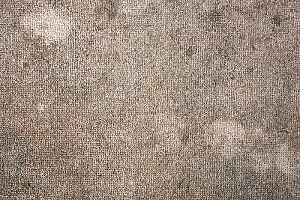
First, take a breath. Finding mold in your carpet feels scary. Maybe you pulled back a corner and saw black or green spots. Maybe the room smells musty and damp. Or maybe you had a leak last week and now you’re worried. You’re not alone, and you haven’t failed as a homeowner. Mold happens when moisture, time, and organic material meet, and carpet happens to provide all three.
At Safe-Dry®, we’re in homes every week helping families handle moisture problems. We’re parents and pet owners too, so we know your first thought is, “Is my family safe?” and your second is, “Can this be fixed without ripping everything out?” The short answer is yes, many times it can. The key is understanding what mold is, what kills it, and when to call for professional carpet cleaning versus handling it yourself.
This guide walks you through it in plain language. We’ll cover why mold grows in carpet, how to tell if it’s surface mildew or something deeper, what actually removes it, and the exact steps to take in the first 24 to 48 hours. We’ll also be honest about when removal isn’t safe to DIY and why professional carpet cleaning services are the right call. Because a clean, healthy home isn’t about panic. It’s about a plan.
Mold is a type of fungus. Mildew is mold in its early stage, usually flat and powdery, white or gray. Mold can be fuzzy, slimy, or spotty and shows up green, black, brown, or even pink. Both need three things to grow. Moisture, food, and time.
Your carpet provides the food. It holds skin flakes, dust, pet dander, and everyday soil. That’s normal. Add moisture from a spill, leak, pet accident, flood, or even high humidity, and you’ve created a buffet. Give it 24 to 48 hours and growth can start. The IICRC S500 Standard confirms that mold can begin in that window on wet materials.
So the issue isn’t the carpet itself. It’s wet carpet that stays wet. That’s why carpet cleaning isn’t just about stains. It’s about controlling moisture and removing the organic material that feeds growth. When we talk about removing mold from carpet, we’re really talking about removing moisture, contaminated material, and the conditions that let it grow.
Before you do anything, figure out what you’re dealing with. Here’s how we check in homes across our service area.
Mildew and mold produce a musty, earthy odor. If a room smells like a damp basement even when it looks clean, there may be growth in the carpet or pad. Pet urine removal issues can smell similar, so we use moisture meters to confirm. But if the smell gets stronger when humidity rises, fungi are likely.
Look for discoloration. Mildew is often white, gray, or yellow and powdery. Mold can be spotty and dark. Check corners, under furniture, near baseboards, and around exterior walls. Pull back a corner if you can. Staining on the backing or pad is a red flag. If you see black or green spots that look fuzzy, treat it as mold and be careful disturbing it.
If an area feels damp or stiff and you haven’t had a recent spill, investigate. Crunchy fibers can mean residue or microbial growth. If the area is still wet and it’s been more than 48 hours, assume growth has started.
Think back. Was there a leak, an overflowed tub, a pet accident, or a spill that wasn’t extracted fully? Did the AC drip? Was indoor humidity high for days? If yes, and you now see spots or smell odor, mold is possible.
If you answer yes to any of these, don’t panic. Next, let’s talk about what actually kills and removes it.
You’ll see a lot of advice online. Some works. Some makes things worse. Here’s what truly stops growth and removes it.
Mold can’t grow without water. Dry it out completely and you stop it from spreading. The CDC and EPA both state that the key to mold control is moisture control. That means extraction, airflow, and dehumidification. This is why professional carpet cleaning uses high-powered extraction and air movers. We remove water fast so fungi can’t thrive.
Killing mold isn’t enough. Dead mold and spores can still cause allergies. You have to physically remove it. That means hot water extraction to flush the carpet, backing, and sometimes the pad. Vacuuming alone won’t do it because it can’t remove what’s bonded to fibers or living in the pad.
After cleaning, an EPA-registered antimicrobial can be applied to help prevent regrowth. This is not bleach. It’s a product designed for carpet and approved for indoor use. It doesn’t replace drying and cleaning, but it adds protection, especially after water damage. Certified carpet cleaning technicians know which product fits your fiber and situation.
Heat from hot water extraction helps cleaning agents work and reduces dry times. However, heat alone, like from a household steam cleaner without extraction, can make things worse by adding moisture without removing it. Always pair heat with powerful vacuum.
Bleach may kill surface mold on tile, but it damages carpet dyes, weakens fibers, and doesn’t reach the pad where growth often lives. It also leaves moisture behind. The EPA does not recommend bleach for carpet. Vinegar can kill some mold species on hard surfaces, but it doesn’t remove the food source in carpet and can set stains. Baking soda absorbs odor but doesn’t kill growth. Ozone machines are dangerous to breathe and don’t replace physical removal. Painting or covering it doesn’t work either.
So the real answer to how to remove mold from carpet is simple. Remove the moisture fast, physically extract the contamination, and treat with appropriate antimicrobials. That’s exactly what professional carpet cleaning is designed to do.
We love a good DIY save, but with mold, safety comes first. Here’s how to decide.
The area is small, less than 10 square feet, and it’s on the surface. It happened in the last 24 to 48 hours. You can lift the carpet and see that the pad is dry. You have a wet/dry vac, fans, a dehumidifier, and PPE like gloves and an N95 mask. You’re not dealing with sewage, floodwater, or black water. And no one in the home has asthma, allergies, or immune issues.
Even then, you must be thorough. If you miss any moisture or contamination, it will come back. That’s why many homeowners start DIY and then call for carpet cleaning services to finish.
The area is larger than 10 square feet. It’s been wet more than 48 hours. You see visible mold that is black, green, or fuzzy. You smell a strong musty odor. The pad or subfloor is wet. The water came from a contaminated source. Anyone in the home has asthma, allergies, or immune issues. You’re not sure what caused it. In these cases, professional carpet cleaning or remediation is the safest choice. An insured carpet cleaning company has the training, extraction, and antimicrobials to handle it safely.
The IICRC and EPA both say that homeowners can handle small areas on hard surfaces, but porous materials like carpet and pad often need professional attention if mold is present. When in doubt, get a free carpet cleaning quote and ask. We’ll tell you honestly if it’s DIY-safe or not.
If you just discovered wet carpet or a small mold spot, time matters. Here’s your action plan. This applies to clean water sources only. If it’s sewage or floodwater, skip DIY and call for emergency carpet cleaning.
Put on gloves, an N95 mask, and eye protection. Don’t stir up spores. Turn off HVAC to prevent spreading particles to other rooms. Keep kids and pets out of the area.
Fix the leak, turn off the valve, or move the wet item. No cleaning matters if water keeps coming. Take photos for insurance if needed.
Use a wet/dry vacuum, not a household vacuum. Go slow. Make multiple passes from different directions. The more you remove now, the less likely mold grows. If you don’t have a wet vac, blot with thick white towels and stand on them. Change towels often.
If the area is bigger than a dinner plate or it’s been wet over 6 hours, pull back a corner. If the pad is soaked, it needs to go. Pad is inexpensive and holds water like a sponge. You can’t dry it fast enough in place. Cut out the wet section, bag it, and remove it outside. This step alone prevents most mold problems.
Once the pad is out and the area is extracted, clean the carpet backing and face. Use a small amount of detergent made for carpet and rinse thoroughly with clean water in your extractor. Do not use bleach or vinegar. The goal is to remove soil and spores, not add residue. If you don’t have an extractor, this is where you call for same day carpet cleaning.
After cleaning and extraction, apply an EPA-registered antimicrobial labeled for carpet. Follow the label. Do not over-apply. Let it dwell as directed. This is not a substitute for drying. It’s an extra layer of protection.
Set up fans to blow across the carpet, not directly down. Run a dehumidifier and your AC. Aim for indoor humidity under 50 percent. Keep it running 24 to 48 hours. Use a moisture meter if you have one. The carpet, backing, and subfloor must be dry. Open windows only if outdoor humidity is lower than indoor.
Once fully dry, HEPA vacuum the area slowly. This picks up dead spores and debris. Bag the vacuum contents and take them outside. Wipe down nearby hard surfaces with a damp cloth to capture settled spores.
Smell the area. Feel for dampness. Look for discoloration. If anything seems off, call for professional carpet cleaning. Early treatment is always cheaper than remediation.
When DIY isn’t safe or enough, here’s what we do at Safe-Dry®. This is the process that removes mold and protects your home.
We use moisture meters and infrared cameras to find all wet areas, including pad and subfloor. We check for visible growth and odor. For moderate cases, we set up containment with plastic and HEPA air scrubbers to prevent spores from moving to other rooms. Your family’s safety comes first.
If pad or tack strip is affected, we remove and bag it. If carpet backing shows growth, we discuss replacing that section. Sometimes a small patch saves the whole room. We’re an insured carpet cleaning company, so we handle this carefully and document for you.
We clean the carpet with hot water extraction to flush out spores, soil, and organic matter. We use low-residue detergents so nothing is left to feed future growth. This is the core of deep cleaning services and it’s critical for health.
We apply an EPA-registered antimicrobial appropriate for your carpet fiber. This isn’t bleach. It’s designed to inhibit regrowth without harming your home. Dwell time and proper application matter.
We set air movers and dehumidifiers to get the area dry in 12 to 24 hours. Fast dry times prevent wicking and new growth. We monitor with meters and don’t leave until it’s dry.
Once dry, we HEPA vacuum to remove any remaining spores on the surface. Then we walk through with you. The goal is odor elimination, stain removal service if needed, and peace of mind.
Mold doesn’t stop at wall-to-wall carpet. Here’s how to handle other soft surfaces.
Area rug cleaning and oriental rug cleaning are best done at our facility. We can dust them, wash both sides, and control drying. That’s ideal for mold because we can fully submerge and sanitize rugs. Rugs in basements or entryways are common trouble spots. If you see mold, roll the rug up, bag it, and bring it in or call us for pickup. Don’t keep it in the home.
Upholstery cleaning uses low-moisture tools and antimicrobials safe for fabric. If a couch got wet or smells musty, we can treat it without over-wetting. Never use a household steam cleaner on upholstery with mold. It drives moisture deeper. For leather, wipe with a damp cloth and mild detergent, then dry. For fabric, call a pro.
You can’t extract a mattress like carpet, but you can address surface mildew if caught early. Use a HEPA vacuum, then lightly mist with an antimicrobial, then dry fast with fans and dehumidifiers. If there’s visible mold or it was wet for days, replacement is often safer. Use allergen-proof encasements after to prevent future issues.
The best way to remove mold is to never let it start. Here’s how to stay ahead of it.
Keep it between 30 and 50 percent. Use your AC, run bathroom fans during showers, vent dryers outside, and use a dehumidifier in damp areas. The EPA notes that controlling humidity is the number one way to prevent mold. A small hygrometer costs a few dollars and tells you where you stand.
A slow drip under a sink can soak the pad over weeks. Check under sinks, around toilets, and near water heaters monthly. If you find a leak, fix it and dry the area immediately. Call for emergency carpet cleaning if carpet got wet.
Eighty percent of soil walks in. Soil is food for mold. Mats and no shoes reduce the load. This simple habit is the cheapest carpet cleaning you’ll ever do.
Slow passes with a HEPA vacuum remove spores and food sources before they become a problem. Empty the canister outside so you don’t release dust back inside.
Blot liquids with white towels. Don’t rub. Use cool water to dilute, blot again, and use a small amount of clear dish soap and water if needed. Rinse by blotting with water. For pet accident cleaning, use an enzyme cleaner and extract if you can. Don’t use heat or steam on urine or milk. Fast action prevents stains and odors from setting, which means less aggressive cleaning later.
For most homes, every 12 to 18 months. For homes with pets, kids, or allergies, every 6 to 9 months. For asthma, every 3 to 4 months. Regular carpet cleaning services remove the organic load and keep your carpet from becoming a reservoir. Think of it as emptying your home’s filter.
Protectant gives you more time to blot spills before they soak in. It won’t stop a flood, but it helps with daily life. Ask about it during your carpet cleaning service.
It can, especially for people with allergies, asthma, or weakened immune systems. Spores and mycotoxins can affect indoor air quality. The CDC says the best approach is to remove mold and fix moisture. That’s why carpet cleaning and drying fast matters.
Growth can start in 24 to 48 hours. That’s why emergency carpet cleaning or extraction in the first day is critical. After 48 hours, you’re likely dealing with active growth.
If the smell is from surface mildew or light contamination, yes. Professional carpet cleaning with extraction and antimicrobial treatment provides odor elimination. If the pad or subfloor is affected, we may need to replace pad or treat subfloor. That’s why inspection comes first.
Sometimes. If it’s a small area and the pad is the issue, removing and replacing a section works. We can often patch carpet so it’s invisible. This is better than leaving contamination. Ask about carpet stain removal and patching options.
Yes. We use eco friendly carpet cleaning products and HEPA filtration. We’ll set up containment if needed. We ask that kids and pets stay out of the work area until it’s dry. Your safety is our priority.
That’s Category 3 water. Carpet and pad usually need removal for safety. We can guide you and work with remediation if needed. Don’t try to clean sewage water yourself.
We try to. Call as soon as you notice water. Same day carpet cleaning or emergency carpet cleaning gives the best chance to save your carpet and prevent mold. We’ll be honest about timing and what’s possible.
Carpet cleaning prices depend on size, severity, and whether pad or subfloor work is needed. A small surface issue costs less than a full water loss. We provide a carpet cleaning estimate after inspection. Ask about carpet cleaning specials or carpet cleaning deals. Affordable carpet cleaning is our goal, and early action is always cheaper than late remediation.
If the cause is a sudden leak like a burst pipe, many policies cover water mitigation and cleaning. If it’s long-term humidity or lack of maintenance, usually not. We provide documentation and work with adjusters when applicable.
For maintenance cleaning, yes. For water damage or mold, no. Rental machines don’t have the extraction power to get carpet dry fast enough. They can leave it wetter and make things worse. For mold risk, use a wet/dry vac for extraction and call a pro for cleaning.
Yes. We use eco friendly carpet cleaning solutions and rinse thoroughly so there’s no residue. Once dry, it’s safe. We’re an insured carpet cleaning company and we choose products carefully.
Yes. Area rug cleaning and oriental rug cleaning are done in-plant for full wash and dry. Upholstery cleaning uses low-moisture methods safe for fabric. Both can hold spores and odors, so cleaning them helps whole-home air quality.
Mildew is early-stage, surface mold. It’s usually easier to remove. Mold can be deeper and more established. Both need moisture removal, cleaning, and drying. Mold may need pad removal and antimicrobial. If you’re unsure, treat it as mold and be cautious.
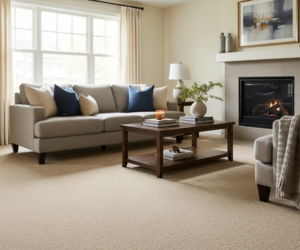
Finding mold in your carpet is stressful, but you have options. If it’s small, fresh, and you can get it dry fast, you may handle it yourself with the steps above. If it’s larger, older, or you have health concerns, professional carpet cleaning is the safest path. Either way, the key is to act quickly, remove moisture, and remove contamination.
At Safe-Dry®, we’re here for the whole process. Whether you need advice after a small spill, emergency carpet cleaning after a leak, or full stain removal service and odor elimination, we’ve got your back. We’re a family-first team that treats your home like our own. We use certified carpet cleaning methods, eco friendly products, and clear communication.
You deserve a home that smells fresh, feels clean, and keeps your family healthy. Mold doesn’t have to take that away. Let’s get your carpet dry, clean, and safe again so you can breathe easy.
Connect with Safe-Dry® today for a free carpet cleaning quote, ask about current carpet cleaning coupons, or schedule service at a time that works for you. Clean carpet, clean air, calm home. That’s what we deliver, every visit.