100% Satisfaction or It's FREE!
100% Satisfaction or It's FREE!
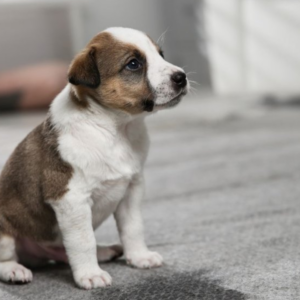
You see it there on the floor. Maybe it’s from last night’s spaghetti, maybe it’s from the dog, or maybe it’s been there since you moved in and you’re not sure what it is anymore. You grab a towel, some spray, and give it a scrub. Sometimes it disappears. Other times it fades and then comes back like a ghost. And sometimes it just sits there, staring back at you.
So what’s the deal? Is it a spot or a stain? And why does that even matter? At Safe-Dry®, we hear this question all the time from families in homes just like yours. The difference between a spot and a stain isn’t just vocabulary. It’s the difference between something you can fix in five minutes and something that needs professional carpet cleaning, the right chemistry, and a little know-how.
This guide breaks it down in plain language. We’ll cover what makes a spot different from a stain, why some disappear and others don’t, and exactly what to do for each. You’ll get step-by-step tips, real-world examples, and answers to the questions we hear every week. Because your carpet should look clean and feel healthy, and you should feel confident knowing how to handle what life throws at it.
Let’s start simple. A spot is something sitting on the carpet fiber. Think of it like dirt on your shoe. It hasn’t changed the fiber itself. It’s just there, on the surface or around the fiber, waiting to be removed.
Spots are usually caused by things that don’t dye or chemically bond to the fiber. Mud from shoes, dry food crumbs, dust, pollen, or even dried soda that hasn’t set. Pet hair, tracked-in sand, and general foot traffic soil are also spots. They look bad, but they haven’t altered the carpet.
The good news is that spots are removable. Because they’re on the fiber, not in it, the right process lifts them away. Vacuuming removes dry spots. Water and a little detergent remove water-based spots. Professional carpet cleaning with hot water extraction removes spots that have been ground in by traffic. The key is that the fiber itself is unchanged.
Here’s an easy way to think about it. If you could take that same substance and put it on a plate, then wipe it off, it’s a spot. It’s a foreign substance that needs to be cleaned, not a change to the material.
A stain is different. A stain has changed the carpet fiber. It’s not just sitting on it. It has dyed, bleached, or chemically altered the fiber itself. Think of it like food coloring on a white shirt. Even after you wash it, the color may still be there because the dye bonded with the fabric.
Common stains in homes include coffee, red wine, mustard, curry, fruit juice, pet urine, and ink. Some are acid dyes, some are alkaline, and some are pigment. Bleach spots are also stains, but in reverse. They removed color instead of adding it. Either way, the fiber is changed.
That’s why some “spots” keep coming back after DIY cleaning. If it’s actually a stain, water alone won’t remove it. You need specific chemistry to break the bond between the dye and the fiber. That’s where stain removal service from trained carpet cleaners comes in. Professional carpet cleaning uses targeted products to reverse or remove stains without damaging the carpet.
So the big difference is this. A spot is on the fiber. A stain is in the fiber. One needs cleaning. The other needs chemistry.
You might be thinking, “Okay, but why do I need to know this?” Because treating a spot like a stain, or a stain like a spot, is how most damage happens.
For example, let’s say you have a red juice spot. You grab a general cleaner and scrub. If it’s just sitting on the fiber, that might work. But if it’s already dyed the fiber, scrubbing drives it deeper and can spread it. Worse, if you use the wrong pH, you can set the stain. Heat from a steam cleaner can permanently set protein stains like milk or pet messes. That turns a removable stain into a permanent one.
On the flip side, if you assume everything is a stain and use strong spotters, you can strip color or leave residue. That residue attracts dirt, so the area re-soils fast. Then it looks worse than before you started. We see this a lot after DIY attempts, and it’s one reason people search for carpet cleaning near you after a weekend project goes sideways.
Professional carpet cleaning starts with identifying what we’re dealing with. Certified carpet cleaning technicians test the fiber, identify the substance, and choose the right process. Spot or stain, we have a plan. That’s the difference between guessing and knowing.
Let’s get practical. Here are spots most families can remove safely with basic steps. These are things sitting on the fiber, not bonded to it.
This is the most common. It’s dirt, sand, and dust tracked in on shoes and paws. Let mud dry first. If you try to clean it wet, you’ll smear it. Once dry, vacuum slowly with a HEPA vacuum. Go over it from two directions. Most of it will come up. If a little remains, a small amount of water and gentle blotting will get the rest. This is why regular vacuuming is the best carpet cleaning you can do yourself.
If it’s dry, vacuum first. If there’s a little residue, use a solution of one teaspoon clear dish soap in a cup of warm water. Dip a white towel, blot the area, then rinse by blotting with water. Don’t pour. Blot. This works because you’re removing something sitting on the fiber, not dyed into it.
Juice, soda, or coffee that just happened can be blotted up before it sets. Use white towels and step on them to transfer liquid. Change towels until they come up mostly dry. Then use the dish soap solution and rinse. The key is speed. If you get it before it dries, it’s still a spot.
Not really a spot, but it sits on carpet. A HEPA vacuum with a beater bar, rubber broom, or pet hair attachment pulls it up. For pet odor removal from dander, vacuuming plus air purifiers help. For pet urine removal, that’s different. We’ll cover that in the stain section.
These sit on the surface and get airborne when disturbed. Vacuum slowly and use a damp cloth on hard surfaces nearby. This is maintenance, not emergency carpet cleaning, but it keeps spots from becoming ground-in soil.
The rule for spots is simple. If it’s dry, vacuum. If it’s wet, blot. Use minimal moisture and no harsh chemicals. If it doesn’t come up easily, stop. It might be a stain, and scrubbing will make it worse.
Now let’s talk stains. These have changed the fiber and need specific chemistry. You can try some at home, but know when to call for professional carpet cleaning.
These are tannin stains. They’re acidic and can dye light carpet. Blot immediately. Use a solution of one part white vinegar to two parts water, or a tannin spotter. Apply, blot, and rinse. Don’t use ammonia or high-pH products. They can set it. If it’s old or large, carpet stain removal by a pro works better because we can control pH and heat.
Also tannin, plus red dye. Same approach as coffee. Blot, use an acid spotter or vinegar solution, rinse. Never use heat. If it doesn’t move, stop. Red dye is tough. Professional carpet cleaners use reducing agents or oxidizers carefully to remove color without harming fiber.
These contain turmeric, which is a dye. It’s one of the hardest stains. Do not use heat. Try a mild detergent and cold water. If it remains, you need a reducing agent. This is a classic case for stain removal service. DIY often sets it.
Ink is a dye in solvent. Alcohol can work on fresh ink, but test first. Blot, don’t rub, or you’ll spread it. Many inks are permanent. If it’s a large area or on light carpet, call a carpet cleaner. We have specialty products for ink that aren’t sold in stores.
This is both a spot and a stain. Fresh urine is a spot. Blot and use an enzyme cleaner. Let it sit as directed, then blot and extract if you can. Old urine is a stain. The uric acid salts bond to fiber and the pad. They reactivate with humidity, causing odor elimination problems. Cat urine removal and dog urine removal often require sub-surface extraction and enzyme treatment. If you can smell it, it’s in the pad. That’s a job for professional carpet cleaning services.
These remove color. That’s a stain in reverse. You can’t clean color back in. Sometimes carpet dyeing is possible, but usually the fix is a patch or replacement. Don’t try to cover it with coffee or marker. It never matches. Call an insured carpet cleaning company for honest advice.
You don’t need a lab. Use these quick tests.
Put a few drops of water on the area and blot with a white towel. If color transfers to the towel and the area looks better, it’s likely a spot. You’re removing something sitting on the fiber. If no color transfers and it looks the same, it may be a stain. The fiber itself is discolored.
If it happened today and you blotted it, it’s probably a spot. If it’s been there for months, it’s likely a stain. Time lets dyes bond and lets soil grind in. Old spots become stains.
Feel the area. If it feels crusty or stiff, there’s residue or sugar. That’s often a spot that can be rinsed. If it feels normal but looks colored, it’s likely a stain. The fiber is dyed but not coated.
In traffic lanes, gray areas are usually soil and oil. That’s a spot, but a big one. Near baseboards, dark lines are filtration soil. Also a spot. Under a dining table, color from food is likely a stain. Under a plant, brown rings can be stains from tannin in water.
If you’re not sure, treat it gently first. Blot with water, rinse, and dry. If it remains, stop and call a carpet cleaner near you. Scrubbing a stain makes it worse. Leaving a spot too long lets it become a stain.
Here’s the exact process we recommend for spots. Do this before you ever grab a store spotter.
Pick up any chunks with a spoon or dull knife. Work from the outside in so you don’t spread it. Vacuum if it’s dry. This keeps you from grinding it in.
Use white towels or paper towels. Step on them to transfer moisture. Change towels until they come up mostly dry. Don’t rub. Rubbing frays fibers and spreads the spot.
Use plain, cool water first. Many spots are water-soluble. Spray lightly or dip a towel and blot. You’ll be surprised how often this works. It’s safe for all carpet and won’t leave residue.
If water alone doesn’t work, mix one teaspoon of clear, non-bleach dish soap in a cup of warm water. Apply to a towel, not the carpet. Blot the spot. Work from outside in. This lifts more without soaking the carpet.
This is the step most people skip. Use clean water on a towel and blot to remove soap. Soap left behind attracts dirt, and in two weeks you’ll have a new spot. Rinse until the towel comes up clean.
Place a folded towel over the area and step on it. Then set a fan to blow across the area. You can also use a hair dryer on cool. The goal is dry in a few hours. Slow drying causes wicking, where soil from the backing comes up.
Once dry, vacuum to lift the pile. This removes any loosened soil and restores texture.
If the spot is gone, you’re done. If it’s lighter but still there, it may be a stain. That’s when you switch strategies.
Stains need chemistry, not muscle. Here’s how to approach them safely.
What caused it? Coffee, wine, pet urine, ink, or unknown. If you don’t know, assume it’s a dye and use an acid-side approach first. Never mix products. If you used something already, tell your carpet cleaner. Chemistry matters.
Same as spots. Remove anything you can without spreading. Don’t add heat yet. Heat can set protein and dye stains.
Tannin stains like coffee, tea, wine: use a tannin spotter or one part white vinegar to two parts water. Protein stains like milk, blood, or food: use an enzyme spotter. Oil or grease: use a solvent or mild detergent. Ink: use alcohol, but test first. Pet urine: use an enzyme cleaner made for urine. If you’re unsure, stop and call a pro. Wrong chemistry sets stains.
Apply spotter to a towel, not the carpet. Blot, don’t scrub. Work from outside in. Give it time to work. Check your towel. If color is transferring, it’s working. Keep blotting with fresh areas of the towel.
This is critical. Use water on a towel and blot until no soap remains. Stain removers left behind cause rapid re-soiling. That’s why many DIY stains come back worse.
Dry fast with a fan. Once dry, look at it in daylight. If it’s gone, great. If it’s lighter but visible, it may need professional carpet cleaning with specialty products.
If you’ve tried two gentle attempts and it’s still there, stop. More scrubbing or stronger products can damage fiber or set the stain. That’s when you call for stain removal service. Best carpet cleaning pros have reducing agents, oxidizers, and heat control to remove color without removing fiber.
You clean it, it looks great, then a week later it’s back. That’s usually one of three things.
You cleaned the surface but the spill was deep. As it dried, moisture from the pad brought soil up. It looks like the stain returned, but it’s new soil from below. Fast extraction and airflow prevent this. If it happens, professional carpet cleaning can flush the backing and speed dry.
You left soap behind. It attracted dirt. Now you have a re-soiling spot. The fix is a thorough rinse with hot water extraction. No detergent, just clean water. This is why carpet cleaning services that rinse well get longer results.
You removed the surface but not the dye that bonded. It lightened when wet and darkened when dry. That’s a true stain. It needs specialty chemistry, not more scrubbing.
If a spot keeps coming back, stop DIY and call a carpet cleaner. We’ll test and tell you if it’s wicking, residue, or a stain. Then we’ll fix the cause, not just the symptom.
Here’s what happens when we get the call. Our process changes based on what we find.
We pre-vacuum to remove dry soil. We apply a pre-spray that emulsifies oils and suspends soil. The key is the rinse. We remove the soil and the detergent so nothing is left to attract dirt. We groom and set air movers for fast drying. That’s how we prevent wicking and re-soiling. It’s deep cleaning services for the whole room, not just the spot.
We identify the stain type. Tannin, protein, dye, or synthetic. We choose the right pH and product. We apply, dwell, and extract. For tough dye stains, we may use a heat transfer process or a reducing agent. For pet urine, we use UV light to find all areas, treat with enzymes, and extract sub-surface if needed. That’s pet stain and odor removal done right. We also rinse thoroughly because residues cause problems later.
If you don’t know what it is, we test. We start mild and go stronger only if needed. We protect the fiber first. That’s the benefit of certified carpet cleaning. We’re trained to identify and treat without damage.
If color is gone, cleaning won’t bring it back. We’ll be honest. Sometimes spot dyeing is possible. Sometimes a patch or area rug cleaning placement is the answer. We’ll give you options, not false hope.
This tailored approach is why professional carpet cleaning gets results DIY can’t. It’s not just equipment. It’s knowledge.
The best way to deal with stains is to stop spots from becoming stains. Here’s how.
The longer a spill sits, the more likely it dyes or soaks in. Blot immediately. Keep a spill kit with white towels, water, and a small bottle of enzyme cleaner for pet homes. Speed beats strength.
Scrubbing frays fibers and pushes the spill deeper. Blotting lifts it. Stand on a towel for pressure. Change towels often. This removes more than any scrubbing will.
Heat sets proteins and dyes. Cold water is safe for everything. Start there. You can add heat later if needed, but you can’t undo setting a stain.
Even if the bottle doesn’t say it, rinse. Spray water on a towel and blot until the towel comes up clean. This prevents residue and re-soiling. It’s the most skipped step and the most important.
High humidity keeps spots damp longer, which lets them wick and set. Run your AC or a dehumidifier. Aim for 30 to 50 percent. This also prevents mold and mildew, which can stain.
Soil is abrasive. Oils attract dirt. Regular professional carpet cleaning every 12 to 18 months removes them before they become stains. For homes with kids or pets, every 6 to 9 months is better. Think of it as maintenance, not emergency. Affordable carpet cleaning on a schedule costs less than replacing carpet early.
Here are a few things we’ve learned from thousands of homes that make a big difference.
Tip one: Use walk-off mats inside and outside doors. Eighty percent of soil walks in. Mats catch it before it becomes a spot.
Tip two: Take shoes off. Shoes track in oils and grit that turn into traffic lane spots. A no-shoes rule keeps carpet cleaner longer.
Tip three: Keep pet nails trimmed. Nails snag fibers and create fuzz that looks like a spot. Trimmed nails reduce wear and make vacuuming easier.
Tip four: Feed pets in one area with a mat. Food and water drips cause spots and stains. A mat contains them and is easy to clean.
Tip five: Rearrange furniture a few inches each year. This prevents permanent traffic patterns and spreads wear. It also lets you clean under heavy pieces.
Tip six: Use carpet protectant after professional cleaning. It gives you more time to blot spills before they become stains. It doesn’t make carpet stain-proof, but it helps.
Tip seven: Keep a list of what worked. If a tannin spotter worked on tea, note it. Next time you’ll know. But still test in a closet first. Carpet and dyes vary.
If you’ve rinsed thoroughly and it’s still there when dry, it’s likely a stain. If it lightened when wet and came back when dry, it may be wicking and needs extraction. A carpet cleaner can test with specialty products to know for sure.
Steam is just hot water vapor. It’s not the heat that sets stains, it’s heat plus the wrong chemistry or protein. For example, using heat on milk or blood can set it. For dye stains, controlled heat can help remove them. That’s why pros control temperature based on stain type. DIY steamers often add heat without extraction, which can set stains and over-wet carpet.
No. Vinegar is acidic and works on some tannin and alkaline spots. It can set protein stains and can damage natural fibers like wool or silk. It also leaves an odor. Use it sparingly, rinse well, and never mix with other products. When in doubt, use water.
That’s browning, usually from over-wetting or high-pH residue. Cellulosic fibers in backing or jute wick up. Fast extraction and an acid rinse fix it. It’s common after DIY and is one reason people call for carpet cleaning services after trying themselves.
Not usually. Many stains are removable with the right process. Even pet urine carpet cleaning is possible if caught early. Bleach spots and very old dye stains are hardest. Get a free carpet cleaning quote first. Replacement is last resort.
For water or spills, blot immediately and call within 24 to 48 hours if it’s large or smelly. For stains, you can try gentle DIY once. If it remains, call before you try stronger products. Each attempt can set it more.
Yes. It’s the process that matters. Eco friendly carpet cleaning uses effective, low-residue products and relies on heat, agitation, and extraction. The result is clean without harsh chemicals. We use them in our own homes.
Same rules apply. Area rug cleaning and oriental rug cleaning should be done by pros because dyes can bleed. Upholstery cleaning uses low-moisture tools to avoid water marks. Treat them like carpet. Blot spills, don’t scrub, and call for stains.
Carpet cleaning prices depend on size and severity. A single stain may be included in a room cleaning. Multiple or severe stains may add cost. We provide a carpet cleaning estimate before we start. Ask about carpet cleaning deals or carpet cleaning specials. Cheap carpet cleaning isn’t the goal. Effective cleaning is.
No, and that’s okay. Life happens. You can prevent most by acting fast, rinsing well, and scheduling regular professional carpet cleaning. Protectant helps. But some things will stain. The goal is to minimize them and have a plan when they happen.
We try to. Same day carpet cleaning and emergency carpet cleaning are available when schedule allows. Call early. For fresh spills, speed helps. We’ll be honest about what we can do.
A carpet cleaner is a machine or person. A stain remover is a product. Many store “carpet cleaners” are high-residue and cause re-soiling. Professional carpet cleaners use equipment and chemistry together, with extraction being the key. That’s why carpet cleaning service results last longer.
Spots sit on the fiber. Stains change the fiber. One needs cleaning. The other needs chemistry. Knowing the difference saves your carpet, your time, and your sanity.
You don’t have to be a chemist to have clean carpet. Blot spills fast, rinse thoroughly, and don’t scrub. Vacuum often. When a spot doesn’t come up or you know it’s a stain, call a pro. That’s not giving up. It’s using the right tool for the job.
At Safe-Dry®, we’re here for that tool. We’re a family-first team that treats your home like our own. We use certified carpet cleaning methods, eco friendly products, and we rinse so well that your carpet stays clean longer. Whether you need whole-home carpet cleaning services, targeted pet stain and odor removal, upholstery cleaning, or area rug cleaning, we’ve got you. We’ll show up on time, explain what we’re doing, and leave you with carpet that looks good and feels healthy.
Professionals advise having carpets professionally cleaned once or twice a year depending on how much foot traffic they get. Schedule your odor and stain removal, antibacterial sanitizer treatment, upholstery cleaning or carpet cleaning with the experts at Safe-Dry by calling 1-888-817-8339 today.