100% Satisfaction or It's FREE!
100% Satisfaction or It's FREE!
Tile floors are known for their durability, clean look, and ability to handle everyday wear. When they are first installed, they often look bright, smooth, and reflective. Many homeowners choose tile because it feels like a long-term solution that stays looking good with minimal effort.
However, over time, something changes.
The shine fades. The color looks less vibrant. The surface may even feel slightly rough or sticky in certain areas. Even after mopping, the floor still looks dull. This is one of the most common concerns homeowners have, and it often leads to frustration because the floor appears clean but does not feel or look that way.
The truth is that dull tile floors are not caused by one single issue. Instead, they are the result of gradual buildup that happens over time. Dirt, oils, residue, and moisture all play a role. These elements settle into both the tile surface and the grout lines, creating a layer that blocks the natural shine.
This is where tile and grout cleaning becomes essential. It goes beyond surface cleaning and addresses the deeper buildup that regular mopping cannot remove.
Understanding why tile floors lose their shine is the first step in restoring them.
This Safe-Dry post gives a clear look at why regular mopping does not always remove everything. Grout lines and textured tile areas can hold onto dirt, residue, and moisture over time. Once that hidden buildup is removed, the floor can look brighter, cleaner, and much fresher.
This is exactly why professional tile and grout cleaning makes such a noticeable difference. It targets what everyday cleaning leaves behind and helps restore the clean, healthy look homeowners want.
Most of the wear on tile floors comes from normal, everyday activity. Even in homes that are cleaned regularly, tile surfaces are constantly exposed to dirt and residue.
Foot traffic is one of the biggest contributors. Shoes bring in dirt, dust, and debris from outside. Even bare feet leave behind oils that slowly build up over time. These particles may seem small, but they accumulate quickly, especially in high-traffic areas like kitchens, hallways, and entryways.
Spills and moisture also play a role. Water, cleaning solutions, and even small food spills can leave behind residue. When these substances are not fully removed, they create a thin film on the surface of the tile.
Over time, this film traps more dirt, making the floor look even duller.
Pets add another layer of complexity. Pet hair, oils, and occasional accidents can affect tile floors just as they do carpets. While pet urine removal is often associated with carpet cleaning, tile grout can also absorb liquids, leading to discoloration and odor issues.
Airborne particles also contribute. Dust and allergens settle on floors throughout the day. Even after cleaning, new particles begin to accumulate almost immediately.
Because of all these factors, tile floors are constantly collecting layers of buildup that are not always visible right away.
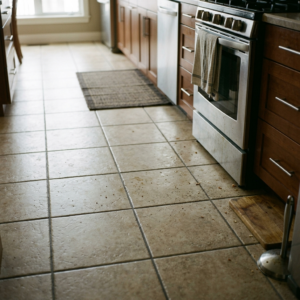
Many homeowners rely on mopping as their primary method of cleaning tile floors. While mopping is important for maintenance, it does not provide a deep clean.
In fact, in some cases, mopping can make the problem worse.
When a mop is used repeatedly without proper rinsing, it spreads dirty water across the floor instead of removing it. This can leave behind a thin layer of residue that builds up over time.
Some cleaning products also contribute to the issue. Many store-bought floor cleaners contain soaps or additives that leave a film on the surface. While the floor may look clean at first, this residue attracts dirt and causes the tile to appear dull.
Grout lines are especially affected. Because grout is porous, it absorbs dirt, moisture, and cleaning solutions. Over time, this leads to discoloration and a worn appearance.
Unlike professional tile and grout cleaning, mopping does not reach deep into the grout or remove embedded contaminants. It mainly addresses surface-level dirt.
This is why floors can still look dull even after regular cleaning.
When people think about tile floors, they usually focus on the tile itself. However, grout plays an equally important role in how the floor looks.
Grout is the material between the tiles that holds everything together. It is naturally porous, which means it absorbs liquids and dirt more easily than the tile surface.
Over time, grout lines collect dirt, grease, and moisture. This buildup darkens the grout and creates a contrast against the tile. Even if the tile is relatively clean, dirty grout can make the entire floor look dull and worn.
In kitchens, grease and food particles can settle into grout lines. Also in bathrooms, soap scum and moisture contribute to buildup. In entryways, dirt and debris from outside become trapped in the grout.
Because grout is more difficult to clean than tile, it often requires specialized treatment.
Professional tile and grout cleaning focuses on both the tile surface and the grout lines, ensuring a more complete restoration of the floor.
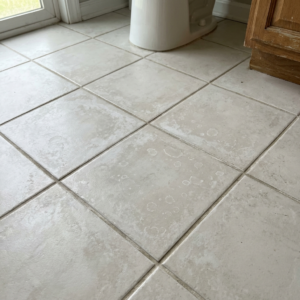
There are several key factors that contribute to dull tile floors. Understanding these causes can help homeowners take the right steps to prevent and correct the issue.
One of the most common causes is residue buildup. Cleaning products that leave behind soap or film create a layer that dulls the surface.
Another factor is embedded dirt. Over time, dirt becomes trapped in the texture of the tile and in the grout lines, making it harder to remove with regular cleaning.
Hard water deposits can also affect tile floors. Minerals in water can leave behind spots or a cloudy appearance, especially in areas with frequent moisture.
Improper cleaning techniques are another cause. Using too much water, the wrong products, or dirty mops can all contribute to the problem.
High traffic areas tend to show dullness more quickly because they experience more wear and accumulation.
Each of these factors adds to the overall loss of shine, making the floor look older than it actually is.
There is a noticeable difference between a floor that looks clean and one that is deeply cleaned.
Surface cleaning removes visible dirt, but it does not address what is embedded in the tile and grout. Deep cleaning goes further by removing buildup that has accumulated over time.
Professional tile and grout cleaning uses specialized equipment and solutions designed to break down and extract dirt from below the surface. This process restores the natural appearance of the tile and brightens the grout lines.
The result is not just a cleaner floor, but one that looks refreshed and feels different underfoot.
This is similar to the difference between basic carpet cleaning and professional carpet cleaning services. While regular maintenance helps, deeper cleaning is needed to fully restore surfaces.
Professional tile and grout cleaning is designed to remove the layers of buildup that cause dullness.
The process typically begins with an inspection to identify problem areas. This helps determine the best approach for cleaning.
Next, a specialized cleaning solution is applied to break down dirt, grease, and residue. This solution is designed to penetrate both the tile surface and the grout lines.
High-powered equipment is then used to extract the loosened dirt. This step removes contaminants that cannot be reached with standard cleaning tools.
Finally, the floor is rinsed and inspected to ensure that the cleaning process has restored its appearance.
This method is much more effective than traditional mopping and helps bring back the original look of the tile.
Tile floors are just one part of a larger home cleaning system. Many of the same factors that affect tile also impact other surfaces.
Carpet cleaning services address dirt and allergens in flooring, while upholstery cleaning targets furniture. Rug cleaning, including area rug cleaning and oriental rug cleaning, focuses on additional soft surfaces.
When these services are combined, they create a more complete cleaning solution for the home.
For example, dirt tracked onto tile floors can also transfer to carpets and rugs. Cleaning one surface without addressing the others may limit the overall results.
Many homeowners choose to schedule multiple services at once to maintain consistency and improve overall cleanliness.
Understanding how professional tile and grout cleaning works can help explain why it delivers results that regular cleaning cannot match. Many homeowners assume that tile cleaning is simply a stronger version of mopping, but the process is much more advanced and targeted.
The first step is a full inspection of the tile and grout. This allows technicians to identify areas with heavy buildup, stains, or discoloration. It also helps determine the type of tile and grout so the correct cleaning approach can be used.
Next comes the application of a specialized cleaning solution. This solution is designed to break down layers of dirt, grease, soap residue, and other contaminants that have built up over time. Unlike basic cleaning products, these solutions are formulated to penetrate deep into grout lines and lift embedded debris.
After the solution has had time to work, high-powered equipment is used to extract the loosened dirt. This is where the real transformation happens. The combination of pressure and suction removes contaminants from both the tile surface and the grout lines, restoring a cleaner and brighter appearance.
Finally, the floor is rinsed and inspected to ensure that all areas have been properly cleaned. In some cases, additional treatments may be applied to stubborn spots or heavily soiled areas.
This process is part of what makes tile and grout cleaning one of the most effective deep cleaning services for maintaining a home.
While professional cleaning delivers the deepest results, maintaining your tile floors between appointments is just as important. Simple habits can help reduce buildup and keep your floors looking better for longer.
Start by sweeping or vacuuming regularly. Removing loose dirt prevents it from being ground into the tile surface or grout lines. This step is especially important in high-traffic areas where debris accumulates quickly.
Use a damp mop instead of an overly wet one. Excess water can push dirt into grout lines and leave behind residue. A lightly damp mop helps clean the surface without over-saturating the floor.
Choose cleaning products carefully. Avoid products that leave a soapy film. Instead, look for solutions that are designed to clean without leaving residue behind.
Clean spills as soon as they happen. Allowing liquids to sit on tile floors can lead to stains and buildup, especially in grout lines.
Place mats at entryways to reduce the amount of dirt tracked into your home. This simple step can significantly reduce the amount of debris that reaches your tile floors.
Rotate rugs or furniture occasionally to ensure even wear and prevent certain areas from becoming more worn than others.
These steps help maintain cleanliness, but they do not replace professional tile and grout cleaning. Over time, buildup will still occur and require deeper cleaning.
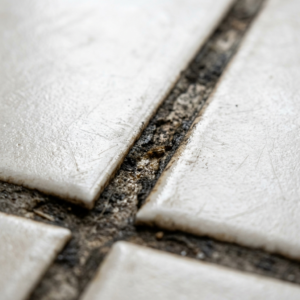
One of the most overlooked causes of dull tile floors is residue. This includes grease, soap, and cleaning product buildup that accumulates over time.
In kitchens, grease is a major factor. Cooking releases small particles of oil into the air, which eventually settle onto surfaces, including tile floors. These particles create a sticky layer that attracts dirt.
In bathrooms, soap residue is a common issue. Soap and cleaning products can leave behind a film that builds up on tile surfaces. This film dulls the appearance of the tile and makes it harder to clean.
Cleaning products themselves can contribute to the problem. Many household cleaners leave behind a residue that is not visible at first. Over time, this residue builds up and traps dirt, leading to a dull appearance.
Even well-intentioned cleaning routines can create this effect if the wrong products are used or if floors are not rinsed properly.
Professional tile and grout cleaning removes these layers of residue, restoring the natural look of the tile.
Many homeowners attempt to restore their tile floors using DIY methods. While these methods can provide temporary improvement, they often fall short of delivering long-term results.
Scrubbing grout with household tools is one of the most common approaches. While this can remove some surface dirt, it is difficult to reach deeper buildup without specialized equipment.
Using strong chemicals is another common method. While these products may remove stains, they can also damage grout or leave behind harmful residue.
Steam cleaning is sometimes used as a DIY solution, but without proper extraction, it can push dirt deeper into the grout instead of removing it.
Another limitation is time and effort. Cleaning tile floors thoroughly by hand is time-consuming and physically demanding.
Professional tile and grout cleaning offers a more efficient and effective solution. It uses equipment and techniques that are not available with standard household tools.
Tile floors are often considered low-maintenance compared to other surfaces, but they still require proper care. When compared to carpets, rugs, and upholstery, tile has different cleaning needs.
Carpet cleaning focuses on removing dirt and allergens from fibers. Upholstery cleaning addresses buildup in furniture. Rug cleaning, including area rug cleaning and oriental rug cleaning, targets additional soft surfaces.
Tile floors, on the other hand, require attention to both the tile surface and the grout lines. While tile itself is more resistant to staining, grout is highly absorbent and can hold onto dirt and moisture.
This is why tile and grout cleaning is essential for maintaining the overall appearance of your floors.
Many homeowners find that combining multiple services creates the best results. For example, scheduling carpet cleaning services along with tile cleaning ensures that all areas of the home are addressed at the same time.
Water quality can have a significant impact on how tile floors look over time. In areas with hard water, minerals such as calcium and magnesium can leave deposits on tile surfaces.
These deposits create a cloudy or dull appearance that is difficult to remove with regular cleaning. Over time, they can build up and make the floor look worn.
Hard water can also affect grout lines. Minerals can settle into the porous surface, leading to discoloration.
Using the wrong cleaning products can make this issue worse. Some products react with minerals in the water, creating additional residue.
Professional tile and grout cleaning can remove these mineral deposits and restore the clarity of the tile.
When considering tile and grout cleaning, many homeowners wonder about the cost and whether it is worth it. Understanding the value behind the service helps answer this question.
Tile cleaning is part of a broader category of deep cleaning services. These services go beyond surface cleaning and address hidden buildup.
The cost of cleaning depends on factors such as the size of the area, the condition of the tile, and the level of buildup. Heavily soiled floors may require additional treatment.
When compared to replacing tile, professional cleaning is a cost-effective solution. Restoring existing floors can extend their lifespan and improve their appearance without the expense of replacement.
Many companies also offer carpet cleaning deals or bundled services that include tile cleaning. This can make it more affordable to clean multiple areas of the home at once.
Requesting a carpet cleaning estimate or a free carpet cleaning quote can help homeowners understand pricing and plan accordingly.
Affordable carpet cleaning and tile cleaning services are available, especially when working with trusted providers.
Eco-friendly cleaning is becoming increasingly important for homeowners who want safe and effective solutions. This approach applies to tile and grout cleaning as well as other services.
Traditional cleaning methods often rely on harsh chemicals that can leave behind residue. These residues can attract dirt and affect indoor air quality.
Eco friendly carpet cleaning and tile cleaning use solutions that are safe for families and pets. These products remove dirt and contaminants without introducing harmful substances into the home.
Safe-Dry® focuses on cleaning methods that are both effective and safe. This approach aligns with the needs of modern households that prioritize health and sustainability.
Using eco-friendly cleaning methods helps maintain a cleaner home environment while reducing potential risks.
Not all areas of a tile floor wear evenly. High-traffic areas tend to show dullness more quickly because they experience more use.
Entryways, hallways, kitchens, and living spaces often receive the most foot traffic. These areas are exposed to more dirt, moisture, and wear.
As a result, buildup occurs more quickly, and the tile begins to lose its shine.
Focusing on these areas during cleaning can help maintain the overall appearance of the floor.
Professional tile and grout cleaning pays special attention to high-traffic areas, ensuring that they are thoroughly cleaned and restored.
Maintaining clean tile floors between professional tile and grout cleaning appointments does not have to be complicated. However, consistency and the right approach make a significant difference in how long your floors stay bright and fresh.
One of the most effective habits is creating a simple weekly cleaning routine. Instead of waiting until floors look dirty, regular light cleaning helps prevent buildup. Sweeping or vacuuming a few times per week removes loose debris before it becomes embedded in grout lines.
Using the right mop technique also matters. A microfiber mop tends to perform better than traditional string mops because it lifts dirt rather than spreading it around. Always rinse the mop frequently to avoid reapplying dirty water onto the floor.
Another helpful tip is to divide your home into zones. High-traffic areas like kitchens and entryways may need more frequent attention compared to bedrooms or less-used spaces. Focusing on these areas helps prevent uneven wear and visible dullness.
Protective measures also go a long way. Entry mats reduce the amount of dirt tracked into the home. Rugs in high-use areas can protect tile from constant wear. Rotating these rugs occasionally helps distribute traffic evenly.
Furniture placement can also affect wear patterns. Moving furniture slightly from time to time prevents certain areas from becoming more worn than others.
These small adjustments can extend the results of professional tile and grout cleaning and help maintain a consistently clean appearance.
Many homeowners unintentionally make cleaning mistakes that contribute to dull tile floors. Understanding these mistakes can help you avoid them and protect your floors.
One of the most common mistakes is using too much cleaning solution. More product does not mean better cleaning. In fact, excess cleaner often leaves behind residue that attracts dirt.
Another mistake is not rinsing the floor properly. When cleaning products are not fully removed, they create a film that dulls the surface.
Using dirty water is also a problem. If the mop water is not changed frequently, it spreads dirt instead of removing it.
Scrubbing grout too aggressively can damage it over time. While it may seem effective in the moment, it can weaken the grout and make it more prone to future staining.
Ignoring grout altogether is another issue. Many people focus only on the tile surface, leaving grout lines to collect dirt and discoloration.
Finally, delaying professional cleaning allows buildup to become more difficult to remove. Addressing the issue early helps maintain the appearance of your floors.
Avoiding these mistakes helps preserve the look and condition of your tile.
Knowing when to schedule professional tile and grout cleaning can make a big difference in maintaining your floors. Many homeowners wait until the problem becomes obvious, but earlier action often leads to better results.
One clear sign is a noticeable change in appearance. If your tile looks dull even after cleaning, it may be time for a deeper solution.
Discolored grout lines are another indicator. When grout becomes dark or uneven in color, it often means dirt has been absorbed over time.
Sticky or rough surfaces can also signal buildup. Even if the floor looks clean, it may not feel clean.
Persistent odors may also point to trapped dirt or moisture in grout lines. This is especially common in kitchens and areas with high humidity.
High-traffic areas that look worn or uneven compared to the rest of the floor may need focused cleaning.
Scheduling regular cleaning, even before these signs become severe, helps maintain the overall appearance and condition of your floors.
Clean tile floors do more than improve appearance. They contribute to the overall feel and comfort of your home.
One of the most noticeable benefits is improved brightness. Clean tile reflects light better, making spaces feel more open and inviting.
Removing buildup also improves hygiene. Dirt, bacteria, and allergens are reduced, supporting a healthier indoor environment.
Odor elimination is another benefit. Trapped smells are removed, leaving the home feeling fresher.
Tile and grout cleaning also enhances the results of other cleaning services. When combined with carpet cleaning, upholstery cleaning, and rug cleaning, it creates a more complete and balanced cleaning approach.
A clean home is not just about one surface. It is about how everything works together to create a comfortable and healthy space.
Most homes benefit from professional cleaning every 12 to 18 months. High-traffic areas or homes with pets may require more frequent cleaning.
Yes, professional cleaning can remove buildup and restore much of the original appearance of both tile and grout.
Yes, professional technicians adjust their methods based on the type of tile to ensure safe and effective cleaning.
The time depends on the size of the area and the level of buildup, but most jobs can be completed within a few hours.
No, proper cleaning removes residue, which often makes floors less slippery than before.
Yes, removing trapped dirt and moisture helps eliminate odors from tile and grout.
Yes, combining tile and grout cleaning with carpet cleaning services or upholstery cleaning provides more complete results.
Creating a consistent cleaning routine helps maintain the results of professional services and keeps your home looking its best.
Start by scheduling regular maintenance cleaning for all surfaces. This includes tile floors, carpets, rugs, and furniture.
Incorporate deep cleaning services into your routine. Tile and grout cleaning, carpet cleaning, and upholstery cleaning each address different areas of the home.
Pay attention to seasonal changes. Certain times of year may require more frequent cleaning due to weather or increased activity.
Use preventive measures such as mats, rugs, and protective covers to reduce wear and buildup.
Stay consistent with small habits. Regular sweeping, proper mopping, and quick spill cleanup make a big difference over time.
A well-rounded approach ensures that every part of your home is maintained and contributes to a cleaner environment.

Tile floors are designed to last, but they still need proper care to maintain their appearance. Over time, buildup from everyday life can take away their natural shine and make them look older than they are.
Tile and grout cleaning is the key to restoring that clean, bright look. It removes the layers of dirt, residue, and grime that regular cleaning cannot reach.
Safe-Dry® focuses on delivering results that go beyond surface cleaning. With safe, effective methods designed for real homes, the goal is to help homeowners enjoy cleaner, healthier spaces without unnecessary hassle.
If your tile floors no longer look the way they used to, it may be time to take the next step. Whether you are dealing with dullness, discoloration, or everyday buildup, professional cleaning can make a noticeable difference.
Scheduling a service or requesting a free carpet cleaning quote is a simple way to get started. Many homeowners also choose to combine services such as carpet cleaning near you or upholstery cleaning to create a complete cleaning solution.
Your floors are one of the most used surfaces in your home. Keeping them clean helps create a space that feels fresh, comfortable, and ready for everyday life.
A cleaner home starts from the ground up, and restoring your tile floors is a great place to begin.